AI Trading Bots in Forex.Back in 2021, I handed over $500 to an AI trading bot I found through a Telegram group. The guy selling it showed screenshots of 40% monthly returns. I remember sitting at my desk, watching the bot place its first trade, feeling like I’d finally cracked the code.
Three weeks later, that $500 was $180.
I’m not telling you this to scare you off AI trading bots. I’ve actually used a few good ones since then, and some genuinely help my trading. But that first experience taught me something most sellers won’t tell you: an AI bot is only as good as the strategy behind it, and no bot removes the need for you to understand what’s happening in the market.
This article covers what I’ve learned from actually running these bots in live and demo accounts over the past few years — the good ones, the scams, and the mistakes I made figuring out the difference. By the end, you’ll know exactly how to test a bot before trusting it with real money, and which mistakes to avoid so you don’t repeat what I went through.
Key Takeaways
- AI trading bots follow pre-programmed rules or machine learning models — they don’t “think” or guarantee profits, no matter what the marketing says
- Backtesting results almost always look better than live performance because of slippage, spread changes, and market conditions that shift after the backtest period
- The best use of AI bots is for repetitive, rule-based strategies (like grid trading or scalping specific pairs), not as a replace-your-brain solution
- Platforms like MetaTrader 4/5 with Expert Advisors (EAs) remain the most tested option, while newer AI-powered platforms are still proving themselves
- Risk management settings inside the bot matter more than the bot’s win rate — a bot with a 70% win rate can still blow your account with bad position sizing
What an AI Trading Bot Actually Does
Let’s clear something up first. When people say “AI trading bot,” they usually mean one of two things.
The first is a rule-based Expert Advisor (EA) on MetaTrader. This isn’t really “AI” — it’s a script that follows if-this-then-that logic. If the RSI crosses 30, buy. If price hits a certain moving average, sell. These have existed since the early 2000s and work fine when coded well.
The second type uses actual machine learning. These bots analyze historical price data, look for patterns, and adjust their approach based on what they find. Companies like Trade Ideas or some of the newer platforms built on GPT-style models fall into this category. They’re more sophisticated, but also more of a black box — you often can’t see exactly why the bot made a specific decision.
MT4/MT5
I’ve used both. Honestly, for retail traders like us, the rule-based EAs on MT4/MT5 tend to be more reliable simply because you can see and adjust the logic. The fancier AI models sound impressive in marketing videos, but when I tested one on a $1,000 demo account for two months, it underperformed a basic moving average crossover EA I built myself in about an hour.
That doesn’t mean machine learning bots are useless. It means you need to test everything yourself instead of trusting a sales pitch. A bot that adapts to market conditions sounds great on paper, but adaptation also means unpredictability. You lose the ability to say “this bot buys when X happens” because the logic keeps shifting based on data you can’t always see.
There’s also a middle category worth mentioning: signal-based bots. These don’t place trades themselves. Instead, they analyze charts and send you buy/sell alerts through Telegram or an app, and you decide whether to act on them. I’ve used a couple of these alongside Forex Factory’s news calendar, and they’re a decent low-risk way to get comfortable with automated analysis before trusting a bot with actual execution.
My Experience Testing Different Bot Types
I want to walk you through three bots I actually ran, because the theory only matters once you see it play out with real money on the line.
Bot #1: The Telegram scam bot. Already mentioned this one. No source code, no way to verify the strategy, just a black box that traded on my behalf through a “copy trading” link. Lost 64% of my deposit in three weeks. Red flag I ignored: the seller wouldn’t show me a verified live account on MyFXBook, only screenshots. Looking back, there were other warning signs too — the group was full of paid testimonials, and every message pushed urgency, “only 10 spots left this month” type language. Classic pressure tactics that had nothing to do with actual trading performance.
Bot #2: A custom MT4 EA I built with a freelancer on Fiverr.
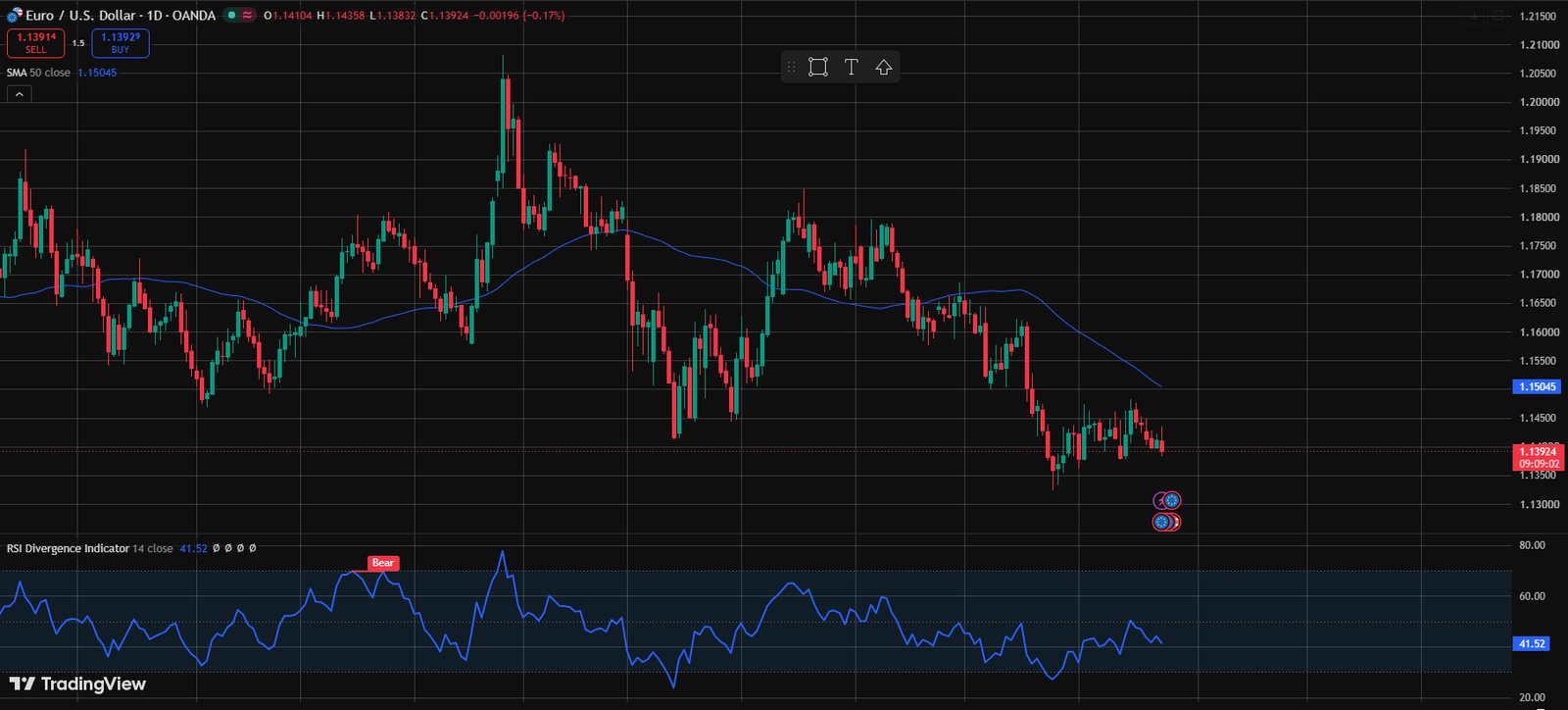
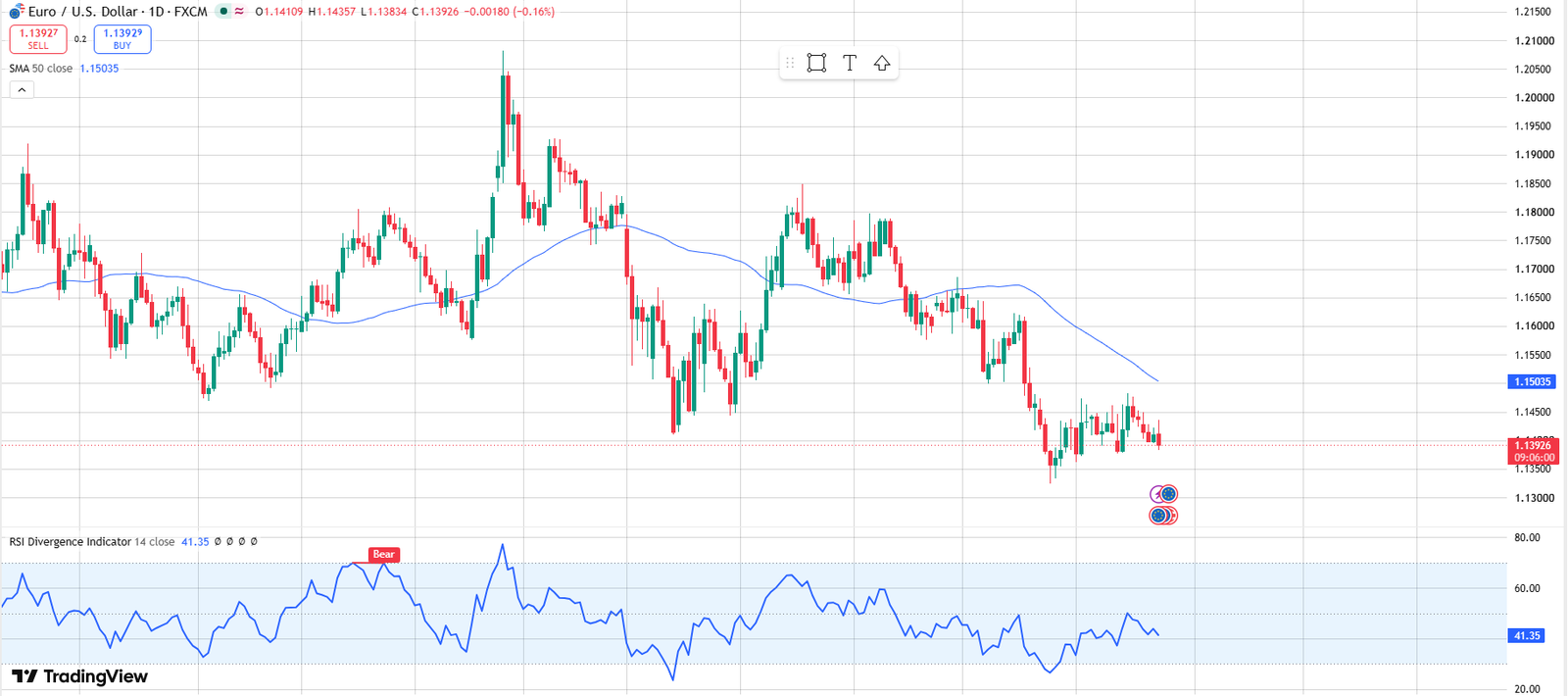
This one used a simple breakout strategy on EUR/USD during the London session. Cost me $80 to build. Over four months on a demo account, it returned about 11%, with a max drawdown of 9%. When I went live with $300, results were similar, though slightly worse due to spread differences between demo and live accounts. This experience actually changed how I think about bots entirely. Because I understood the logic (breakout above the Asian session range, with a fixed stop-loss and 1:2 risk-reward), I could tweak it myself when performance dipped during certain months, instead of being stuck waiting for a developer.
Bot #3: A grid trading bot on a crypto exchange (Bybit), which I later tried adapting the logic for forex pairs on MT5. Grid bots work well in ranging markets and get destroyed in strong trends. I learned this the hard way during a USD rally in 2023 when the bot kept buying dips that never bounced. Lost about 15% before I manually shut it down. The lesson here wasn’t that grid trading is bad — it’s that every strategy has a market condition it thrives in and one it dies in. Nobody tells you that when they’re selling you the bot.
The pattern I noticed across all three: bots work when the market behaves the way the bot expects, and they fail hard when it doesn’t. No AI model I’ve tested handles genuine black swan moves or unexpected news well, because those events, by definition, don’t show up much in historical data. This is something every trader learns eventually, whether through a bot or manual trading, but bots make the lesson more expensive because losses happen faster and without you noticing in real time.
Where AI Bots Genuinely Help
I don’t want this to read like I’m against AI trading bots, because that’s not true. There are places where they add real value.
Scalping strategies benefit a lot from automation. If your edge involves catching small moves on the 1-minute or 5-minute chart, a bot reacts faster than you can click a mouse. I use an automated scalper on GBP/JPY during the London-New York overlap, and it catches entries I’d miss manually because I’m slow to react or second-guessing myself. Over three months, this particular setup averaged about 6% monthly, though I want to be honest that one of those months was flat and another had a rough week during a surprise BOE statement.
Bots also remove emotional trading. This sounds like a cliché, but it’s genuinely the biggest benefit I’ve experienced. When I trade manually and I’m down for the day, I start revenge trading. A bot doesn’t care about my ego. It follows the rules regardless of how the previous trade went. There’s something almost humbling about watching a bot execute your own strategy better than you would, simply because it has no emotional stake in the outcome.
Backtesting
Backtesting is another underrated benefit. Even if you never run the bot live, building one forces you to define your strategy with actual numbers instead of vague ideas like “I buy when it looks bullish.” That process alone improved my manual trading more than the bot itself did. Once you’ve coded a strategy, you know exactly what your entry, exit, and risk parameters are, and that clarity carries over even when you’re trading manually.
Consistency across multiple pairs is another advantage worth mentioning. Watching four or five currency pairs at once is exhausting for a human trader. A bot doesn’t get tired or lose focus around lunchtime. I’ve had EAs monitor EUR/USD, GBP/USD, and USD/JPY simultaneously for setups I would’ve completely missed if I were watching charts manually, especially during the Asian session when I’m usually asleep.
Step-by-Step: How to Actually Test an AI Trading Bot Before Trusting It
Step 1: Start on a demo account, minimum 60 days. Don’t trust anything shorter. Markets need time to show different conditions — trending, ranging, high volatility from news events. A bot that looks great during two calm weeks can fall apart the moment volatility picks up.
Step 2: Check the bot’s logic, not just its results. If it’s an MT4/MT5 EA, ask for the strategy explanation in plain English. If the seller can’t explain it simply, that’s a warning sign. A legitimate developer can tell you exactly what indicators or conditions trigger a trade.
Step 3: Verify past performance on MyFXBook or FX Blue
Screenshots from a personal dashboard mean nothing. Third-party verified accounts show real, unedited trade history, including drawdown periods the seller might otherwise hide from you.
Step 4: Set a strict maximum drawdown limit before going live. I use 10% as my personal cutoff. If the bot hits that, I stop it and review, no exceptions. This single rule has saved me from turning small losses into account-blowing ones more than once.
Step 5: Start live trading with the smallest position size your broker allows. I usually start at 0.01 lots regardless of account size, just to see real execution and slippage. This isn’t about the money at this stage, it’s about confirming the bot behaves the same way live as it did in testing.
Step 6: Track results weekly in a spreadsheet. Compare live results against the backtest. If there’s more than a 20-30% gap in performance, something’s wrong — usually spread, slippage, or the bot’s logic not translating well to live conditions. I keep a simple Google Sheet with columns for date, pair, entry, exit, profit/loss, and notes on market conditions that day.
Step 7: Review broker execution speed. Slow execution kills scalping bots especially. I switched brokers once purely because order execution was adding 2-3 pips of slippage on every trade, which doesn’t sound like much until you realize it was eating almost a third of my expected profit per trade.
Step 8: Reassess monthly, not daily. One bad week doesn’t mean the bot is broken, and one great week doesn’t mean it’s perfect. Give it enough trades to build a real sample size before making judgments, usually somewhere around 30-50 completed trades.
Pros and Cons of AI Trading Bots
Pros
- Removes emotional decisions — the bot follows rules regardless of your mood or recent losses
- Works 24/5 without fatigue — catches setups during sessions you’d normally be asleep for
- Consistent execution speed — especially valuable for scalping strategies where milliseconds matter
- Forces you to define your strategy in exact, testable terms instead of vague gut feelings
- Monitors multiple pairs simultaneously without the mental fatigue a human trader experiences
Cons
- Backtest results rarely match live performance — spread, slippage, and changing market conditions all eat into returns
- Most “AI” marketing is exaggerated — a lot of what’s sold as AI is just basic rule-based logic with a fancy name
- Bots fail badly during unexpected news events — no algorithm handles surprise rate decisions or geopolitical shocks well
- Requires ongoing monitoring — you can’t just set it and forget it, despite what sellers claim
- Technical issues can be costly — internet outages, VPS crashes, or platform bugs can leave positions unmanaged at the worst possible time
Mistakes I See Beginners Make (Because I Made Them Too)
Mistake 1: Trusting screenshots instead of verified accounts. I fell for this myself with that first Telegram bot. Always demand MyFXBook or FX Blue verification, never personal screenshots.
Mistake 2: Going live too fast. I know the excitement of wanting to see real profits, but skipping proper demo testing is how people lose accounts in weeks instead of learning slowly. Two months of demo testing feels slow when you’re excited, but it’s nothing compared to the months it takes to rebuild a blown account.
Mistake 3: Ignoring position sizing settings. A bot with a great strategy can still blow your account if the lot size or risk-per-trade setting is too aggressive. Always check and manually adjust this before running anything live. I’ve seen beginners set risk-per-trade at 5% because “the bot said it was fine,” without understanding that a string of five losses at that setting wipes out a quarter of the account.
Mistake 4: Running multiple bots on the same account without checking correlation. I once ran two EAs simultaneously that were both essentially trading the same USD strength signal. Ended up doubling my exposure without realizing it, which turned a normal loss into a painful one. Now I always map out which currencies each bot is exposed to before running more than one at a time.
Mistake 5: Never turning the bot off during major news events. Non-farm payrolls, FOMC announcements, these create spread spikes and volatility that most bots aren’t built to handle. I now manually pause my EAs 30 minutes before and after any major economic release, using Forex Factory’s calendar to track timing.
Mistake 6: Assuming a higher win rate means a better bot. A bot with an 85% win rate but a poor risk-reward ratio can still lose money overall, because the 15% of losing trades wipe out gains from the winners. I learned to look at overall profit factor and drawdown, not just win percentage, before judging any system.
The Honest Truth About AI Trading Bots
Here’s what I’ve settled on after years of testing these things: a bot won’t save a bad strategy, and it won’t replace your own market understanding. What it will do is execute a good strategy more consistently than you can by hand, especially when emotions get involved.
If you’re going to try one, treat it like hiring a very literal employee who does exactly what you tell them and nothing more. Test it, verify it, understand its logic, and never risk money you can’t afford to lose while you’re still learning how it behaves.
The traders who actually make consistent money with bots aren’t the ones chasing the newest “AI-powered” platform with the flashiest ad. They’re the ones who understand their strategy so well that automating it just makes execution smoother. If you can’t explain your own strategy in three sentences, no bot is going to fix that for you.
Frequantly asked Question
Do AI forex trading bots work?
Yes, but only as good as the strategy coded into them. A well-tested bot can work well; most “guaranteed profit” bots are scams.
Which AI bot is best for forex trading?
There’s no single best one — it depends on your strategy, pair, and timeframe. MT4/MT5 Expert Advisors remain the most reliable starting point for most traders.
Can I use AI for forex trading?
Yes, most regulated brokers allow algorithmic trading through platforms like MetaTrader. Just confirm your broker permits automated/EA trading before starting
Disclaimer:
This article is for educational purposes only and does not constitute financial advice. Forex trading, including automated trading through AI bots or Expert Advisors, carries a high level of risk and may not be suitable for all investors.

Hira Ch is a Forex trader and financial content writer specializing in gold, crypto, and currency markets.Based in Lahore, she breaks down complex trading
concepts into simple, actionable insights at ExpertJourny.