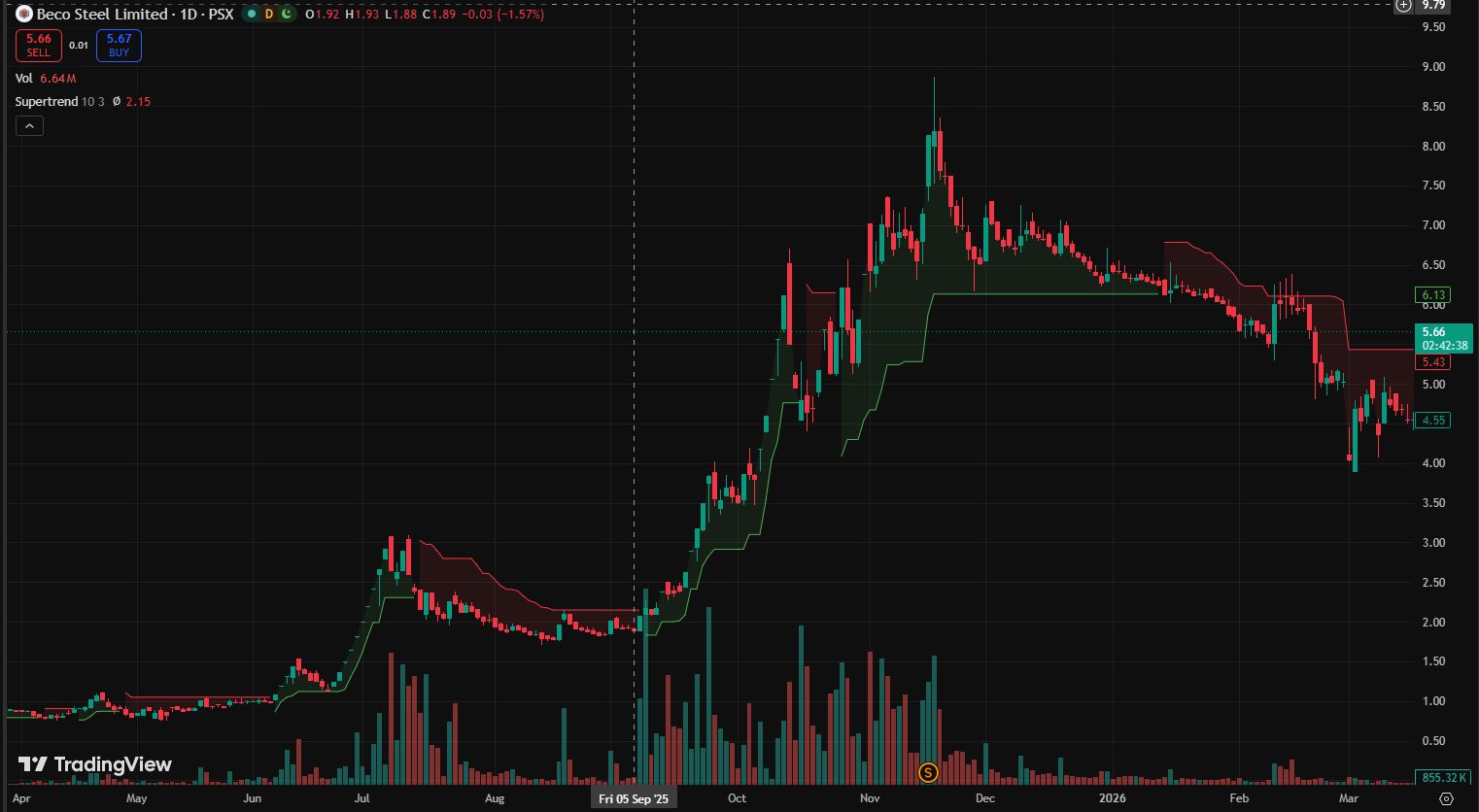
How To Trade Penny Stocks Safely.The stock was at $0.43.
A guy in a trading Telegram group I’d joined had been posting about it for three days straight. Charts, volume analysis, “insider knowledge” about an upcoming product announcement. He was convinced it was going to $2.00. Maybe $3.00.
I put in $400. Not because I’d done any research. Because the excitement in that group was contagious and I didn’t want to miss the move.
By the end of that afternoon, the stock was at $0.19. I sold at $0.21 on the way down, panicking, watching my $400 turn into $195 in about four hours.
The “product announcement” never came. The Telegram guy went quiet. A week later the group was promoting a different penny stock with the same level of certainty.
That was my introduction to penny stocks. It was an expensive lesson, but it taught me something that no amount of YouTube videos could have: penny stocks aren’t lottery tickets, and treating them like one is how most people lose money in this space.
After that loss, I spent months actually learning how this market works — what separates the few people who make money in penny stocks from the many who don’t. What I found surprised me.
You can trade penny stocks safely. But “safely” means something very specific here, and it’s almost the opposite of how most retail traders approach it.
What Penny Stocks Actually Are
Let me clear something up first because there’s genuine confusion about this.
A penny stock is generally any stock trading below $5 per share — though many traders use $1 as the cutoff. They trade on major exchanges like NYSE and NASDAQ, but the majority of true penny stocks trade on OTC (over-the-counter) markets — the OTC Bulletin Board or Pink Sheets.
OTC stocks are where most of the danger lives. These companies have minimal reporting requirements. Financial statements are often incomplete, unaudited, or simply absent. There’s no requirement to meet the listing standards that NYSE or NASDAQ companies must maintain.
This doesn’t mean all OTC stocks are scams. But it means the information asymmetry is enormous. The people promoting these stocks usually know far more — or are deliberately hiding information — while retail buyers are working with almost nothing.
Penny stocks on actual major exchanges — small companies trading between $1-$5 on NYSE or NASDAQ — are a different category. They have reporting requirements, audited financials, and real exchange oversight. Still risky, but a completely different risk profile than OTC penny stocks.
When most people talk about “penny stocks” in trading communities, they mean OTC. And that distinction matters enormously for everything that follows.
Why Penny Stocks Attract So Many Traders — And Hurt So Many
The math looks incredible on paper.
A stock at $0.20 going to $0.40 is a 100% return. You turn $500 into $1,000. A stock at $0.05 going to $0.50 is a 900% return. These moves happen. They’re real.
What the promoters don’t tell you is the context around those moves.
Most of the explosive moves in penny stocks are driven by pump-and-dump schemes. Someone — or a group — accumulates a large position in a low-liquidity OTC stock. They then promote it aggressively through email newsletters, social media, YouTube videos, Telegram groups. Retail buyers pile in, driving the price up. The promoters sell into that buying pressure at the top. The price collapses. The late buyers are left holding worthless or near-worthless shares.
This isn’t a fringe activity. It’s systematic and widespread in the OTC market. The SEC brings enforcement actions against pump-and-dump operators regularly — but it’s like playing whack-a-mole. New operations pop up constantly.
The Telegram group that cost me $400? Classic pump-and-dump setup. I just didn’t know what I was looking at.
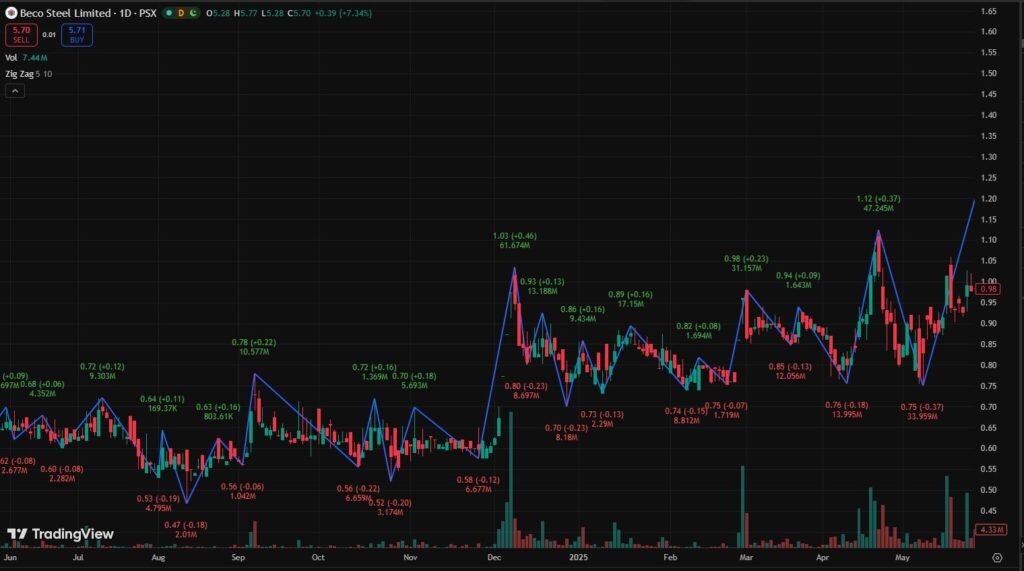
The Stocks Worth Paying Attention To
Not all penny stocks are pump-and-dump targets. Here’s how I distinguish the ones worth considering from the ones to avoid completely.
Listed on NYSE or NASDAQ, not OTC.
This is my first filter. If a stock isn’t on a major exchange, I need a very compelling reason to look at it. Most of the time, I just don’t. The reporting requirements and exchange oversight that come with NYSE/NASDAQ listing create a baseline of accountability that OTC stocks simply don’t have.
Real revenue or a clear path to it.
Penny stocks on major exchanges often represent small companies — biotech startups, early-stage tech companies, small retailers. Some of these are legitimate businesses going through hard times or early growth phases. What I look for is evidence that the company actually does something — generates revenue, has a product in development with a realistic timeline, has actual customers.
If I can’t find clear evidence of what the company does and how it makes (or plans to make) money from a five-minute look at their SEC filings, I move on.
Low to no promotion.
Legitimate small companies don’t need armies of promoters on social media hyping their stock. If you’re seeing a stock aggressively promoted in multiple Telegram groups, email newsletters, and YouTube channels simultaneously — that’s a red flag, not a reason to buy.
Real volume, not manufactured spikes.
Average daily volume for a penny stock I’d consider trading: at least 500,000 shares. Volume that has been building gradually over time, not a sudden unexplained spike that coincides with a promotion campaign.
How to Research a Penny Stock Before Touching It
This is where most traders fail — they skip research entirely because penny stocks feel speculative anyway. That’s exactly backwards. Because the information environment is so poor, your research process matters more, not less.
SEC EDGAR — your first stop.
Every company listed on a US exchange must file with the SEC. Go to sec.gov, search the company name, and look at their most recent filings. You want to see: annual reports (10-K), quarterly reports (10-Q), and any recent 8-K filings (material events).
What you’re looking for: Is the company generating revenue? What are their cash reserves? Do they have significant debt? Are there going concern warnings from auditors (a phrase that means the auditors aren’t sure the company can survive)?
This takes 20-30 minutes. Most penny stock traders never do it.
Check for dilution history.
Many penny stock companies fund themselves by issuing new shares — diluting existing shareholders. Look at the share count over the past few years. If it’s been consistently increasing, that’s a warning sign. Dilution directly reduces the value of your shares.
Who runs this company?
Look up the executives. Are they real, verifiable people with LinkedIn profiles and professional histories? Have they been involved in previous companies that failed or had regulatory issues? A quick Google search of the CEO’s name plus “SEC” or “fraud” takes 60 seconds.
Stocktwits and investor forums — useful but dangerous.
Stocktwits is a social network for traders. It’s worth checking what retail sentiment looks like around a stock — but treat everything you read there with heavy skepticism. Pump operators use these platforms actively.
The Only Way I Trade Penny Stocks Now
After the $400 lesson and several months of research, I developed a specific approach. It’s more conservative than most penny stock “gurus” would recommend — which is exactly why it works better.
I only trade listed stocks (NYSE/NASDAQ), never OTC.
This one rule eliminated probably 80% of the risk I faced before. Not because listed penny stocks can’t be volatile or manipulated — they can. But the regulatory environment is meaningfully different.
I trade technical setups, not stories.
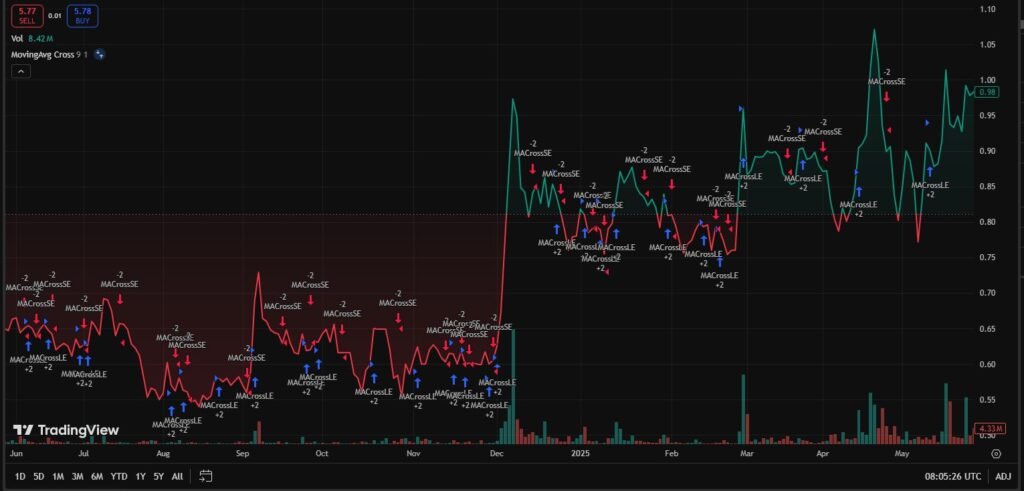
I don’t trade penny stocks based on product announcements, press releases, or “catalysts.” I trade them based on what the chart is doing. Specifically, I look for consolidation breakouts — stocks that have been trading in a tight range for weeks and are starting to show increased volume and a breakout above the range.
Volume is everything in penny stocks. A breakout on thin volume in this space means nothing. A breakout where volume is 3-5x the average daily volume is worth paying attention to.
I use Level 2 quotes.
Level 2 shows the bid and ask depth — how many shares are being offered at what prices. In penny stocks, Level 2 tells you a lot about whether there’s genuine buying interest or just a thin market being pushed around. On ThinkorSwim (TD Ameritrade’s platform) and Interactive Brokers, Level 2 is available. It takes time to learn to read but it’s essential for this type of trading.
My position sizes are tiny.
Maximum $200-$300 per penny stock trade. That’s it. Not because I’m scared — because the volatility in this space makes larger positions genuinely dangerous. I’ve seen penny stocks drop 40% in 20 minutes on no news. That kind of move on a $2,000 position is account-damaging. On a $200 position, it’s a manageable loss you recover from quickly.
I set my stop before I enter.
Always. In penny stocks, I use a wider stop than I would in forex — typically 15-20% below my entry because intraday volatility is extreme. But that stop is set the moment I enter. Mental stops in penny stocks are useless — the price moves too fast for you to react.
I take profits quickly.
Penny stock moves are fast and often short-lived. My target is usually 20-30% from entry. I don’t hold for 100% gains — the risk of giving back profits while waiting for a bigger move is too high. When the trade hits my target, I sell. Not half, not most — I sell.
Platforms I’ve Used for Penny Stock Trading
Interactive Brokers — best execution for small-cap and penny stocks. Lower commissions than most platforms. The interface is complicated at first but worth learning.
ThinkorSwim by TD Ameritrade — excellent charting and Level 2 data. Paper trading feature lets you practice without real money. Good for learning the mechanics before going live.
Webull — free platform, decent charting, commission-free. Limited Level 2 access on the free tier. Good for beginners who want to start with small amounts.
TradingView — I use this for charting analysis only, not execution. Better charts than most brokerage platforms. Free version is adequate for penny stock chart analysis.
One platform I’d specifically avoid for serious penny stock trading: Robinhood. The execution quality is poor, there’s no Level 2 data, and the gamified interface actively encourages bad trading behavior.
Mistakes I Made (And Still See Traders Making)
Buying because of social media hype.
Already covered this but it’s worth repeating because it’s the number one mistake. If you’re seeing a stock aggressively promoted, you are not getting early information. You are the exit liquidity for whoever got in before the promotion started.
Averaging down on losing positions.
A penny stock that drops 30% from your entry is not “a better deal at a lower price.” It’s a stock that’s moving against you, possibly for fundamental reasons you don’t understand. Averaging down in penny stocks has destroyed more accounts than almost any other single behavior.
Holding overnight.
Penny stocks can gap dramatically overnight — down 50% on a press release, up 80% on some announcement. Unless you have a specific reason and a very small position size, I don’t hold penny stocks overnight. The risk simply isn’t worth it.
Chasing stocks that have already moved.
The stock is up 40% on the day and you want to buy because “it has momentum.” By the time a penny stock is up 40% and visible on a screener, the move is usually largely done. The people who made money on that 40% move are looking to sell — and you’d be buying from them.
Using screeners without understanding what you’re looking at.
Scanners like Finviz, StocksToTrade, and Trade Ideas are useful for finding penny stock setups. But a stock appearing on a scanner doesn’t mean it’s tradeable. I’ve seen traders jump into every stock that hits a scanner without doing any additional due diligence. The scanner finds candidates. You still have to evaluate them.
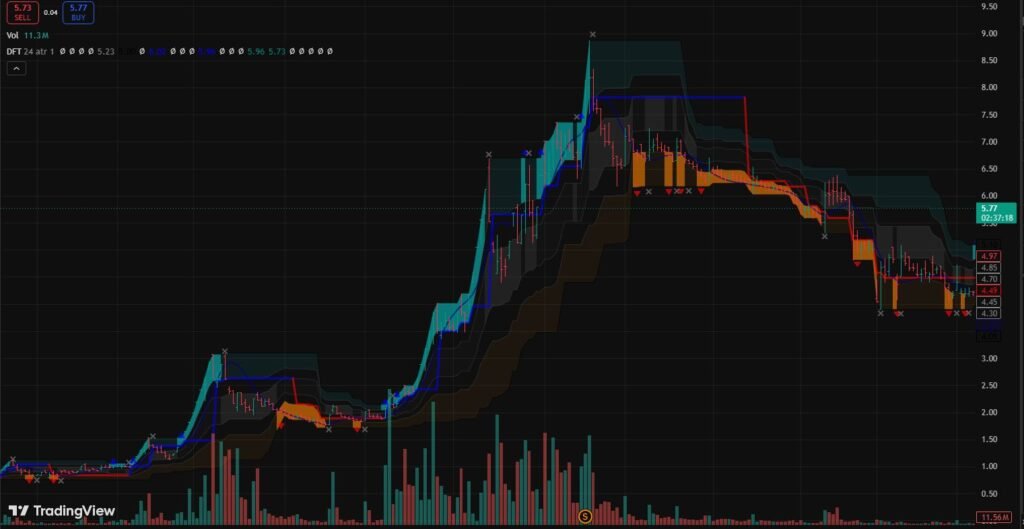
Is Penny Stock Trading Worth It?
Honestly? For most traders, probably not — at least not as a primary strategy.
The research burden is high. The information environment is poor. The manipulation risk is real. The volatility is extreme. You need to be right about both direction and timing in a market specifically designed to take money from retail participants.
What penny stocks can be, for a trader who’s done the work, is an occasional supplementary opportunity. Not the core of a trading business — a side play for when a genuinely interesting setup appears in a legitimate listed company.
The traders I know who’ve made consistent money in penny stocks over years share a few characteristics: they do exhaustive research, they trade with tiny position sizes, they take profits fast, and they pass on 90% of the setups that would excite most retail traders.
They’re boring about it. Systematically, deliberately boring. And that boring approach is exactly what works.
If you’re going to explore this space, start with paper trading on ThinkorSwim. Take at least 20-30 trades without real money. Track everything. See how your instincts hold up when the stock is moving fast and the excitement builds. Most people find that their instinct is to chase — and seeing that pattern in paper trading, before it costs real money, is genuinely valuable.
The market for penny stocks isn’t going anywhere. Neither is the risk. Take the time to learn it properly before you give it your money.
Frequently Asked Questions
Q1: What is the best way to trade penny stocks?
The best way to trade penny stocks is to focus on volume spikes, news catalysts, and clear breakout levels — always use strict stop-losses because penny stocks can drop 50% in minutes with no warning.
Q2: Can I make $100 a day day trading?
Yes it is possible but not consistent for beginners — most day traders lose money in their first year, and making $100 daily requires a solid strategy, strict risk management, and at least $5,000–$10,000 in capital to make it realistic.
Q3: How risky is trading penny stocks?
Penny stocks are extremely risky — they are easily manipulated, have very low liquidity, wide spreads, and almost no regulatory protection. Many penny stocks go to zero and never recover.
Q4: What are the 10 best penny stocks?
There is no fixed list of “best” penny stocks because they change daily based on news and volume — use stock screeners like Finviz, StockFetcher, or Webull to find today’s top movers with high volume and strong catalysts.
Disclaimer:
This article is for educational purposes only and does not constitute financial or investment advice. Penny stock trading involves significant risk of loss, including the potential loss of your entire investment. Always conduct thorough research and consider consulting a qualified financial advisor before making any trading decisions.

Hira Ch is a Forex trader and financial content writer specializing in gold, crypto, and currency markets.Based in Lahore, she breaks down complex trading
concepts into simple, actionable insights at ExpertJourny.




One Comment