Key Takeaways
- Daily bias is your directional lean for the trading day — whether you’re looking to buy or sell — decided before you take a single trade, not while you’re already in one.
- Without a daily bias, you end up taking both long and short trades on the same pair in the same session, which usually means fighting yourself.
- A good daily bias comes from higher timeframe context (4H, daily) checked before the session opens, not from watching the 1-minute chart react in real time.
- Your daily bias can be wrong, and that’s fine — the point isn’t being right every day, it’s having one consistent lens instead of reacting trade by trade.
- Tools like a simple pre-market checklist and marking higher timeframe structure the night before are enough to build this habit — no special software required.
Introduction:
I used to open my charts every morning with literally no idea what I was looking for. I’d just start scrolling through pairs until something “looked good,” take a long on EUR/USD around 9 AM, then somehow end up short on the same pair by lunchtime because a different setup appeared.
Looking back at my trade history from that period, I can see days where I took a long and a short on the exact same currency pair within a few hours of each other. Not because the market changed dramatically. Because I had zero plan for what I was actually trying to do that day.
That’s daily bias, or really, the absence of it. And figuring this concept out — actually understanding it, not just reading a definition somewhere — is probably the single thing that cut my overtrading in half.
What Daily Bias Actually Means (From Someone Who Ignored It For Too Long)
Daily bias is simply your directional opinion for the day — are you leaning bullish or bearish on a pair, based on the bigger picture, before you even open your entry timeframe.
It’s not a prediction that price will only go one direction all day. Markets don’t work that way, and if your bias assumes they do, you’ll get whipsawed and blame the concept instead of your execution. It’s more like a lens. If your bias is bullish on GBP/USD, you’re primarily looking for buying opportunities and treating any bearish moves as pullbacks to potentially buy, not as new short setups to chase.
I didn’t understand this distinction for a long time. I thought bias meant “I think it’s going up today” as a certainty. Once I reframed it as “I’m only taking longs today unless something major changes my view,” my entire trading day became simpler.
The Session That Made Me Actually Learn This
I remember a Tuesday, trading USD/JPY. I’d looked at the 4-hour chart the night before and there was a clear uptrend, higher highs and higher lows, no real signs of reversal. That should have set my bias for the day: bullish, looking for longs.
Instead, I opened my charts in the morning, saw a bearish-looking candle on the 15-minute chart, and took a short. Lost that trade. Then took a long twenty minutes later because the next candle looked bullish. Won a little. Then shorted again because of some minor pullback. Lost again.
By the end of the session I’d taken five trades on the same pair, three longs and two shorts, net negative for the day, on a pair that had gone up almost the entire session on the higher timeframe. I wasn’t reading the market. I was reading candlesticks in isolation, completely disconnected from the actual trend that was sitting right there on the 4-hour chart the whole time.
That night I went back and marked up the 4H chart with the uptrend clearly labeled, and it was almost embarrassing how obvious the bias should have been. I’d had all the information. I just never stepped back far enough to use it before diving into the smaller timeframe.
Why This Matters More Than People Think
Without a bias, every candle on your entry timeframe becomes its own little emergency. A bearish candle looks like a reason to short. A bullish candle looks like a reason to buy. You end up reacting to noise instead of trading with any actual structure.
With a bias, that same bearish candle, in an uptrend, becomes something different: a potential pullback to buy, not a signal to short. Same candle, completely different meaning, depending on whether you’ve done the higher timeframe work first.
This also connects directly to overtrading. Most of my worst overtrading days happened on pairs where I had no bias at all. I was trading both directions on the same instrument in the same session, which, if you think about it, means at least half my trades were fighting the actual bigger trend from the start.
How I Actually Build My Daily Bias Now (Step by Step)
Step 1: I check the higher timeframes the night before, not the morning of.
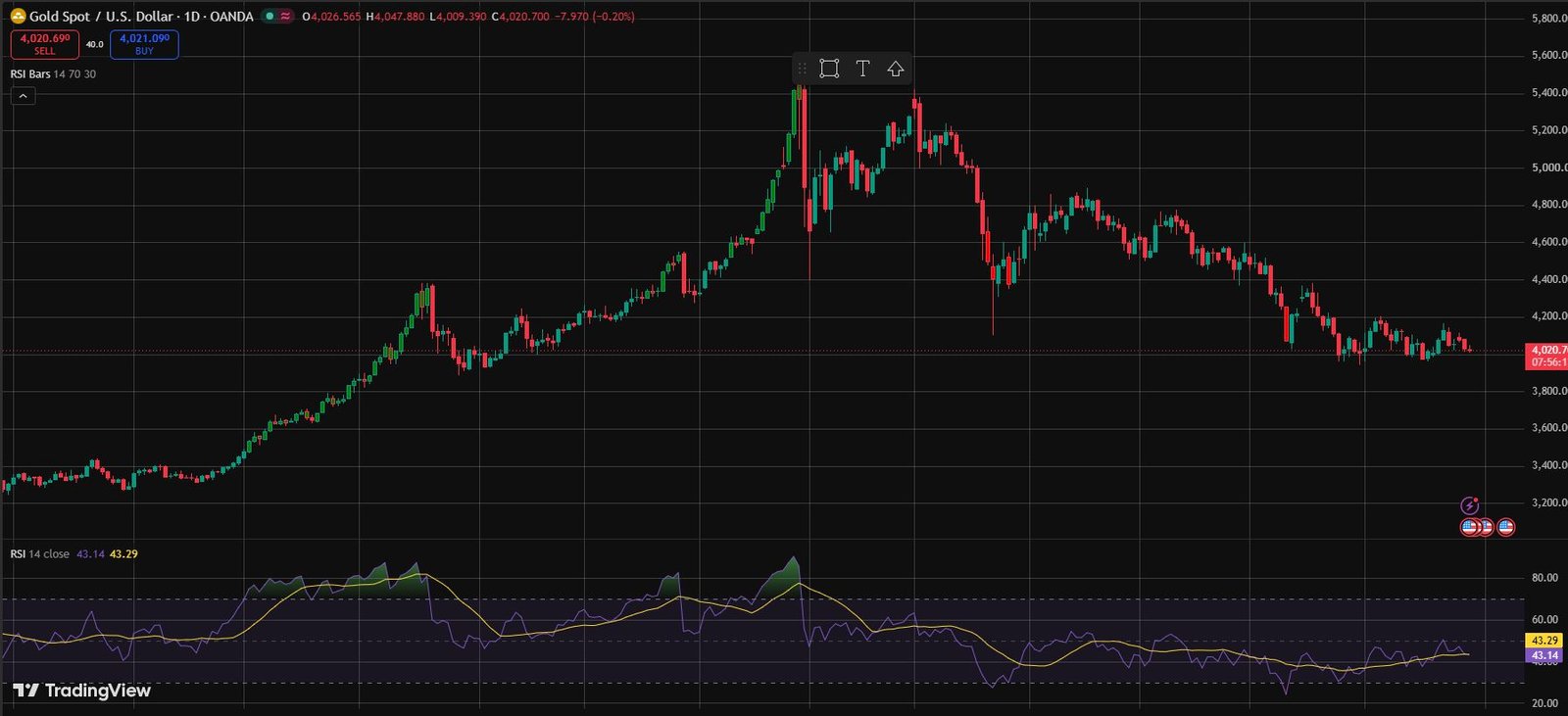
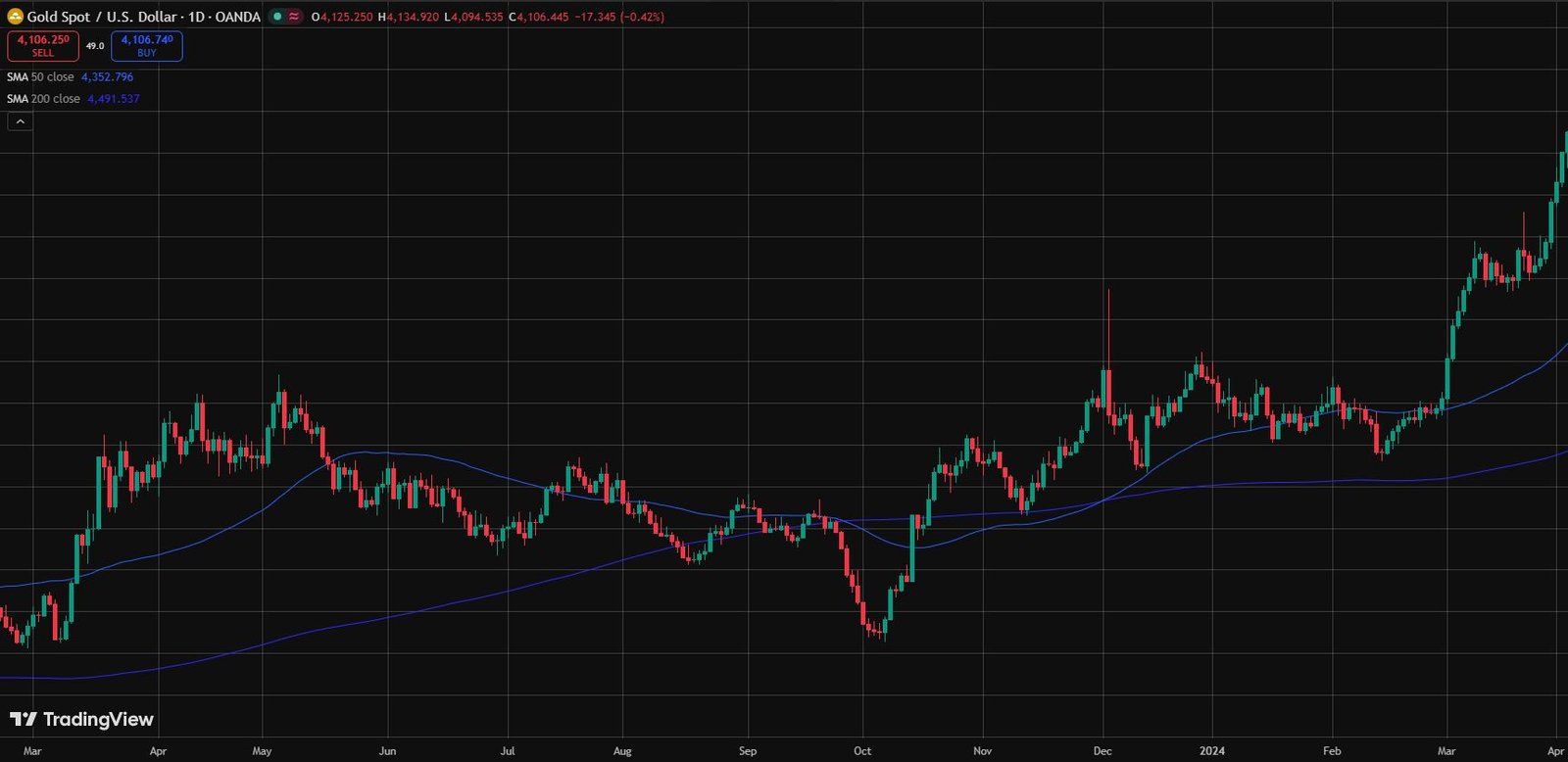
I look at the daily chart first, then the 4-hour chart, for the pairs I trade. I’m looking for the obvious stuff: is price making higher highs and higher lows (uptrend), lower highs and lower lows (downtrend), or is it just chopping sideways with no clear structure.
Doing this the night before matters more than it sounds. In the morning, especially close to a session open, there’s an urge to rush and just start looking for trades. Doing the higher timeframe review the night before removes that time pressure completely.
Step 2: I mark key levels on the chart.
Using TradingView, I draw horizontal lines at the most recent significant swing high and swing low on the 4-hour chart, plus any major support or resistance zones. This gives me reference points for the next day, not just a vague “it’s going up” feeling.
Step 3: I write my bias down as one sentence, not a paragraph.
Something like: “GBP/USD — bullish bias, looking for longs on pullbacks toward 1.2650, invalidated if price closes below 1.2600 on the 4H.” One sentence. If I can’t summarize my bias in one sentence, I don’t actually have a clear bias yet — I have confusion.
Step 4: I check news/economic calendar before locking in the bias.
A major news release (like NFP or a central bank decision) can completely override technical bias for that session. I use a basic economic calendar (Forex Factory is the one I check) to see if anything high-impact is scheduled. If there is, my bias for that day includes a note like “expect volatility around 8:30 AM, avoid entries right before the release.”
Step 5: I only look for entries in the direction of my bias.
This is the part that actually changes behavior. Once my bias is set, I close myself off from taking the opposite direction unless something on the higher timeframe genuinely changes. If my bias is bullish and I see a beautiful-looking short setup on the 15-minute chart, I let it go. That setup isn’t for me that day.
Step 6: I re-check my bias only at specific points, not constantly.
I don’t re-evaluate my bias every ten minutes based on how the 5-minute chart is behaving. I check it again if there’s a major news event, if price breaks a key level I marked, or at a set time like midday. Constant re-checking is just another form of the same reactive trading that got me into trouble in the first place.
How I Handle It When My Bias Is Wrong
Bias being wrong isn’t a failure of the concept — it’s just part of trading. What matters is having a clear invalidation point built into the bias from the start.
Going back to my one-sentence bias example: “invalidated if price closes below 1.2600 on the 4H.” If that happens, my bias flips or goes neutral, and I stop looking for longs. The mistake isn’t being wrong sometimes. The mistake is not having a clear line that tells you when you’re wrong, which is exactly what I didn’t have during my worst overtrading period.
Pros of Trading With a Daily Bias
- It dramatically reduces overtrading, since you’re only looking in one direction instead of reacting to every candle regardless of which way it points.
- It forces you to actually use higher timeframe context, which most beginner traders (myself very much included) skip in favor of staring at fast-moving lower timeframes.
- It gives you a clear invalidation point, so being wrong becomes a specific, defined event rather than a vague feeling that creeps in over multiple losing trades.
- It simplifies decision-making during the session. Instead of evaluating every setup from scratch, you’re filtering: does this match my bias or not.
- It makes your trading journal more useful, because you can track how often your bias was correct versus wrong, which tells you something concrete about your market reading skill over time.
Cons of Trading With a Daily Bias
- It can make you miss genuinely good counter-trend trades. If your bias is bullish and a strong short setup appears, sticking rigidly to bias means you pass on it, even if it would have worked.
- A wrong bias early in the day can bias your decisions for the whole session if you’re not disciplined about checking your invalidation point. Sticking to a broken bias out of stubbornness is a real risk.
- It requires actual higher timeframe analysis before every session, which takes more upfront time than just opening charts and looking for whatever pattern appears first.
- It doesn’t work well on choppy, range-bound days. If there’s no clear higher timeframe trend, forcing a directional bias onto a sideways market creates more problems than it solves.
- News events can blow up a technically sound bias in seconds. No amount of chart analysis protects you from a surprise central bank statement or unexpected data release.
Mistakes I Made With Daily Bias (So You Skip Them)
Mistake 1: I confused “bias” with “certainty.”
Early on, once I set a bullish bias, I treated it like a guarantee price would only go up. When it didn’t, I felt like the whole concept had failed me, when really I just misunderstood what bias was supposed to mean.
Mistake 2: I set my bias, then abandoned it the moment one trade went against me.
A single losing long trade would make me flip to looking for shorts, completely undermining the entire point of having a bias in the first place. One trade result isn’t the same as your bias being invalidated — the invalidation point should be based on price structure, not your emotional reaction to a loss.
Mistake 3: I skipped the news calendar check for months.
I built a solid technical bias process but ignored economic releases entirely. Then I’d get a bias completely blown up by an unexpected NFP surprise and wonder what went wrong with my chart reading. The chart reading was fine. I just wasn’t looking at the full picture.
Mistake 4: I tried to have a bias on too many pairs at once.
When I started this habit, I tried to build a daily bias for eight different currency pairs every single night. It was exhausting and I did a rushed, shallow job on most of them. I cut it down to three pairs I actually trade regularly, and the quality of my analysis on each one improved noticeably.
Mistake 5: I re-evaluated my bias too often during the session.
Every time price moved a little against my bias on a lower timeframe, I’d start second-guessing and re-analyzing everything from scratch. This defeated the entire purpose. A bias set the night before, based on 4H structure, shouldn’t be shaken by normal noise on the 5-minute chart during the session.
How Daily Bias Connects to Everything Else
This concept doesn’t exist in isolation. It connects directly to position sizing and risk management, because your bias determines which setups you’re even evaluating for entry in the first place. It also connects to trading psychology and staying present during a session — a clear bias gives your reactive brain something concrete to check against, instead of just reacting to whatever candle just closed.
I’ve noticed that on days when I have a clear, well-reasoned bias written down, I trade fewer times overall and each trade feels more deliberate. On days when I skip this process, even if I don’t consciously realize I skipped it, my trade count for the session tends to creep up, and so does my tendency to take setups that contradict each other.
Final Thought
I still get my bias wrong plenty of times. Some weeks I’m right more often than not, some weeks the market just doesn’t cooperate with any clean directional read. That’s not really the point anymore.
The point is that I stopped starting my trading day with zero plan and just reacting to whatever the first candle looked like. Having a bias, even an imperfect one, gave me something to measure my trades against instead of taking whatever setup happened to catch my eye in the moment. That one shift, more than any indicator or strategy tweak, is what actually calmed down my trading.
Frequently Asked Question
Q1: What does bias mean in trading?
Bias in trading means your overall directional expectation for the market — whether you believe price is more likely to move up or down on a given day, based on technical levels, market structure, and key price zones.
Q2: Can I make $100 a day day trading?
Yes it is possible, but not consistent for beginners — making $100 daily requires a solid strategy, strict risk management, proper position sizing, and realistically at least $5,000–$10,000 in capital to make the math work without over-leveraging.
Q3: What are the 7 types of bias?
The 7 common trading biases are confirmation bias, recency bias, overconfidence bias, loss aversion bias, anchoring bias, herd mentality bias, and availability bias — all of which can cause traders to make emotional decisions instead of logical ones.
Q4: How to identify the daily bias in trading?
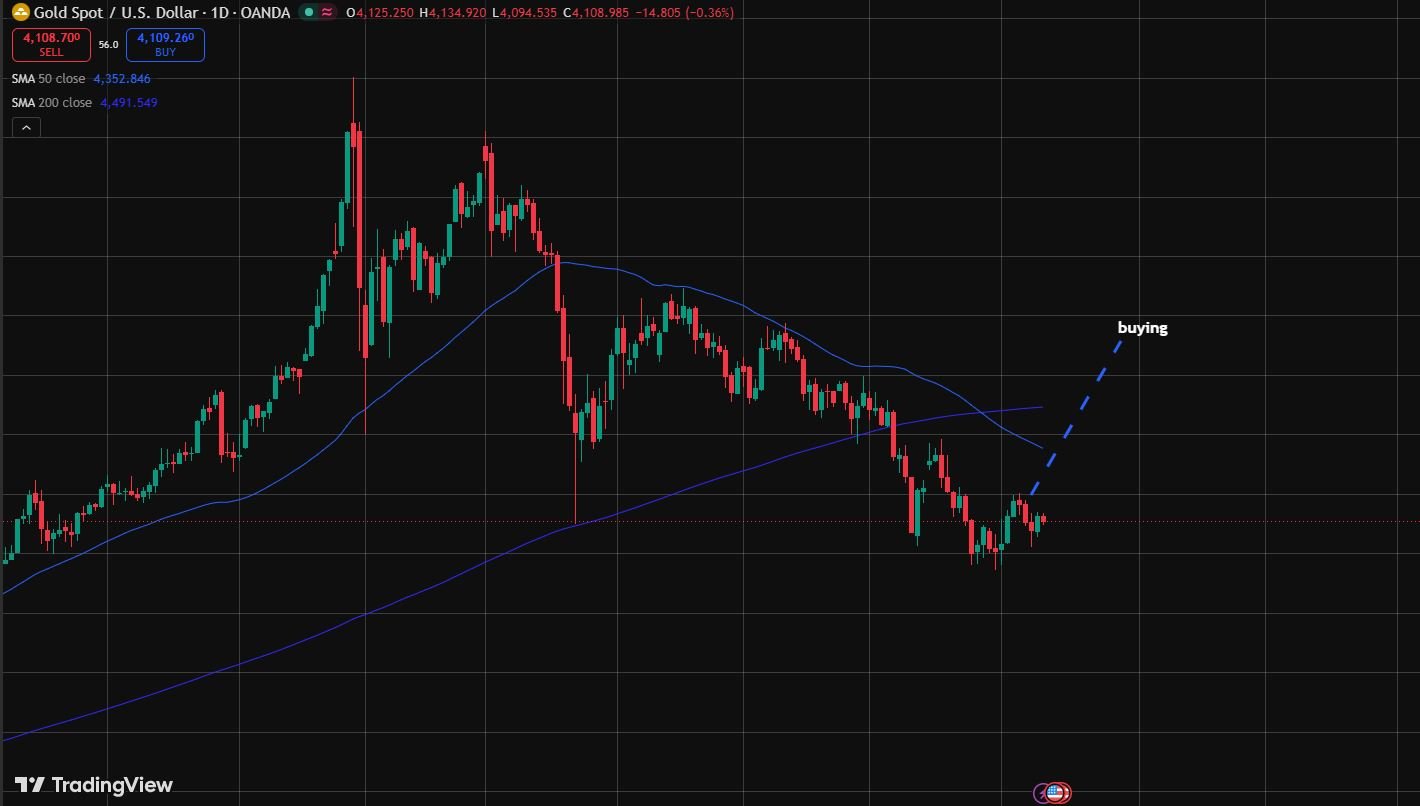
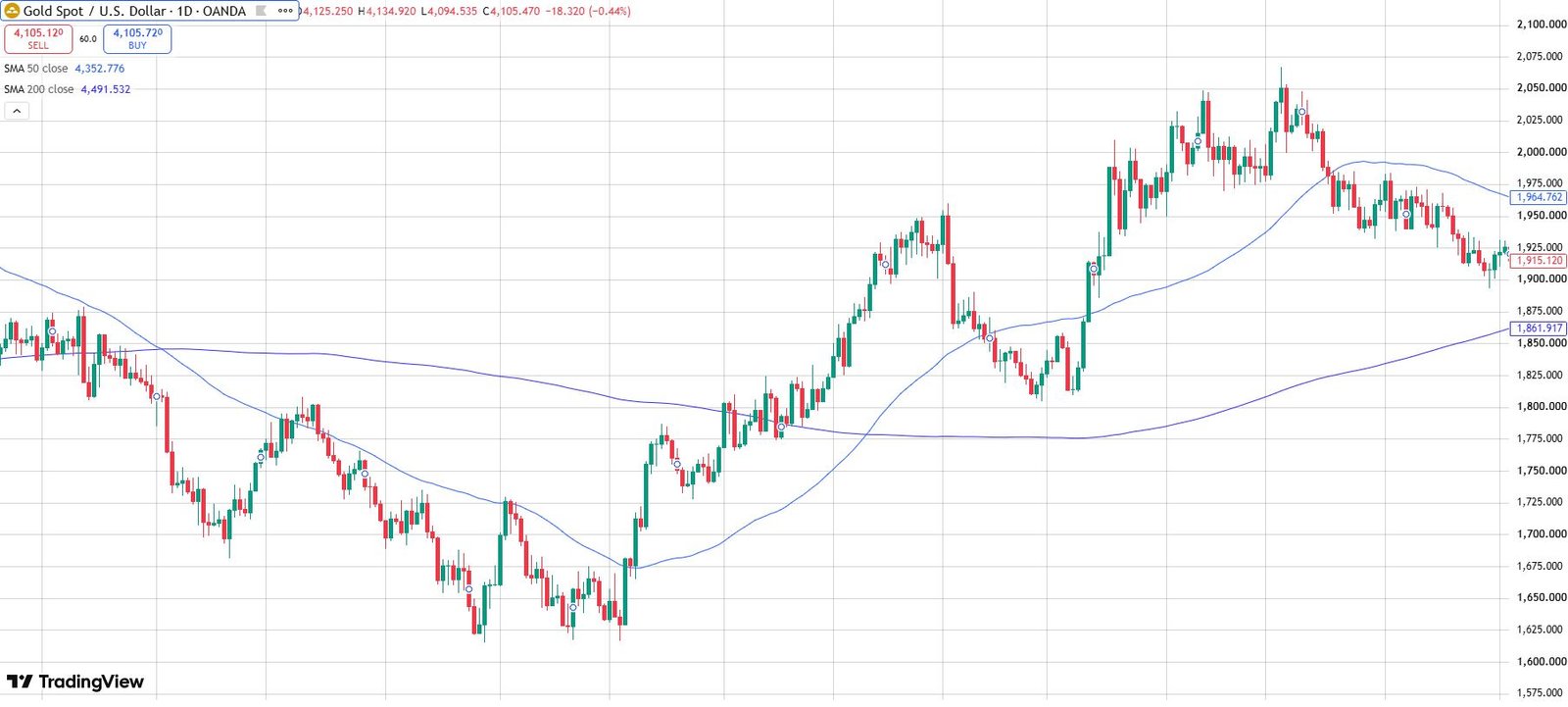
To identify daily bias, check the previous day’s high and low, look at where price is relative to key levels like the 50 EMA and 200 EMA on the daily chart, then combine that with the overall market structure to determine whether buyers or sellers are currently in control.
Disclaimer:
This article is for educational purposes only and does not constitute financial advice. Trading forex and other financial instruments carries a high level of risk and may not be suitable for all investors. Past performance is not indicative of future results. Always do your own research before making trading decisions.

Hira Ch is a Forex trader and financial content writer specializing in gold, crypto, and currency markets.Based in Lahore, she breaks down complex trading
concepts into simple, actionable insights at ExpertJourny.