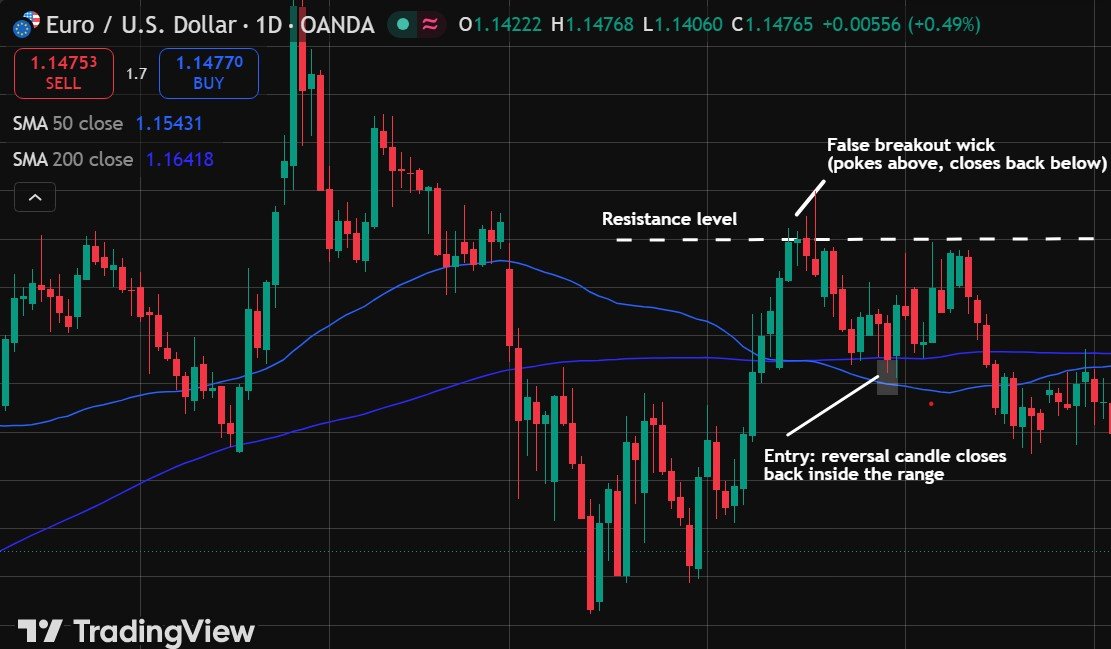
is Trading 90% Psychology.I once had two traders in the same Telegram group take the exact same EURUSD setup, same entry, same stop loss, same target. One walked away with a clean win. The other panicked halfway through, closed early, and turned a winning trade into a break-even mess. Same chart. Same strategy. Completely different outcome.
That moment stuck with me for years. Because it proved something I’d suspected for a while, the strategy wasn’t the deciding factor. The person behind the screen was.
You’ve probably heard the phrase “trading is 90% psychology” thrown around in forums, YouTube videos, or trading Telegram groups. Some people think it’s an exaggeration. Others swear by it completely. After seven years of live trading across forex and crypto, watching myself and dozens of other traders fail and succeed with the exact same setups, I have a pretty grounded opinion on this. Let me walk you through what I’ve actually seen happen on real charts, with real money.
Key Takeaways
- Trading psychology plays a massive role in results, but calling it exactly “90%” oversimplifies a more balanced reality
- Strategy and risk management build the foundation, while psychology determines whether you actually follow that foundation under pressure
- Two traders using the identical strategy can get opposite results purely based on emotional discipline
- Common psychological traps include revenge trading, overconfidence after wins, and fear-driven hesitation
- Building better trading psychology takes structured habits, not just willpower or motivation
What “Trading Is 90% Psychology” Actually Means
This phrase gets repeated so often that people rarely stop to unpack it. What it really means is this: even with a solid, tested strategy, most traders still lose money because they can’t execute that strategy consistently under emotional pressure.
Here’s how I’d break it down honestly. Your strategy, technical analysis skills, and risk management rules probably make up somewhere around 20-30% of your long-term success. The remaining 70-80% comes down to whether you can actually follow your own rules when real money and real emotions are involved. So while “90%” might be a slight exaggeration, the core idea, that psychology dominates outcomes, holds up in almost every trader’s journey I’ve witnessed, including my own.
I learned a proper breakout strategy in my second year of trading. On paper, backtested, it had a solid 55% win rate with a 1:2 risk-reward ratio, which is genuinely profitable long-term. In live trading, my actual results were far worse for the first six months. Not because the strategy stopped working. Because I kept breaking my own rules, moving stop losses, closing winners early, doubling position size after losses.
That gap between backtested performance and live results is almost always psychological, not technical. Your brain behaves completely differently when real money sits on the line versus when you’re scrolling through historical charts with zero risk attached.
Types Of Psychological Patterns That Control Trading Results
Not every trader struggles with the same mental trap. Over the years, I’ve noticed these patterns show up repeatedly, both in myself and in other traders I’ve coached or discussed setups with.
Overconfidence psychology. This shows up after a winning streak. Suddenly your position sizes creep up, your risk management loosens, and you start taking trades outside your actual strategy because you “feel” like you can’t lose. I’ve watched traders go from consistent 1% risk to reckless 10% risk within two good weeks.
Fear-based psychology. This is the opposite problem. After a loss or two, you start hesitating on perfectly valid setups. You either skip trades entirely or enter so late that your risk-reward ratio gets destroyed. Fear quietly costs traders more money through missed opportunity than most people realize.
Revenge trading psychology. After a loss, some traders immediately jump back in trying to “win it back” fast, ignoring their actual setup criteria completely. This single pattern has probably destroyed more trading accounts than bad strategies ever have.
Impatience psychology. This is when you can’t sit still waiting for your setup. You start forcing trades because waiting feels boring or frustrating, even when the market genuinely isn’t offering anything worth trading.
Analysis paralysis psychology. Some traders swing the opposite direction, overthinking every single trade with fifteen indicators, unable to pull the trigger even when their setup is textbook perfect.
Recognizing which category you fall into on any given day is genuinely half the battle. Because the fix for overconfidence looks completely different from the fix for fear.
A Real Example From My Own Trading Journey
Let me give you actual numbers instead of vague theory. In 2022, I ran a controlled experiment on myself. I took the same breakout strategy across 40 trades, but split it into two phases.
Phase one, the first 20 trades, I followed every rule exactly. Fixed 1% risk per trade, predefined stop loss and target, no exceptions. Result: 11 wins, 9 losses, ending with roughly a 14% account gain over six weeks. Not spectacular, but solid and consistent.
Phase two, the next 20 trades, I used the exact same strategy but let myself make “small” emotional adjustments. Moving stop losses slightly, increasing size after wins, skipping trades that felt “off” even when they met criteria. Result: 12 wins, 8 losses, technically a higher win rate, but the account only grew by around 3% over the same time period.
Same strategy. Better win rate in phase two. Worse overall result. That’s psychology eating into profitability in a way that a simple win-rate number completely hides. The emotional inconsistency in phase two led to inconsistent position sizing and premature exits on winners, which quietly destroyed what should’ve been a stronger outcome.
This experiment is honestly what convinced me that psychology isn’t some soft, secondary factor in trading. It directly shows up in your account balance, even when your strategy looks identical on paper.
Pros and Cons Of Focusing On Trading Psychology
Pros
- Improves consistency because you start following your actual plan instead of reacting emotionally
- Reduces impulsive decisions like revenge trading and overleveraging after wins
- Builds long-term discipline that transfers to other areas beyond trading too
- Makes existing strategies perform closer to their real backtested potential
Cons
- Takes months of consistent practice, there’s no instant fix for emotional trading
- Hard to measure progress objectively compared to simple win-rate tracking
- Can lead to overanalyzing your own emotions instead of just executing trades
- Requires brutal honesty with yourself, which many traders genuinely avoid
How Much Does Strategy Actually Matter Then
I don’t want to swing too far the other direction here, because strategy still matters. A genuinely bad strategy with poor risk-reward will lose money no matter how disciplined you are. Psychology amplifies whatever foundation you already have, it doesn’t replace the need for a real edge.
Think of it this way. A solid strategy with weak psychology usually leads to inconsistent, underwhelming results, like my phase two experiment above. A weak strategy with perfect psychology still loses money, just in a controlled, disciplined way. The winning combination is always both together, a tested strategy executed with consistent discipline.
This is why I always tell newer traders not to abandon strategy-building in favor of only reading psychology books. You need both pillars standing. Neither one alone gets you consistently profitable.
Practical Ways To Improve Trading Psychology
None of this stays theoretical if you actually want results, so here’s what genuinely helped me over the years.
Fixed risk percentage, no exceptions. I risk 1-2% per trade regardless of how confident I feel. This single rule removes most emotional decision-making around position sizing.
Pre-trade checklist. Before entering anything, I run through a written checklist, entry criteria, stop loss level, target level. If a trade doesn’t check every box, I skip it, no matter how tempting it looks.
Trading journal with emotional notes. I log not just entry and exit prices, but how I felt during the trade. Reviewing this weekly revealed patterns I never noticed in the moment, like how my Monday trades were consistently my most impulsive ones.
Mandatory break after losing streaks. After three consecutive losses, I step away from charts for at least a day. This isn’t avoidance, it’s resetting before the next decision.
Smaller size during emotional periods. If I’m stressed from something outside trading, I cut my position size in half rather than trading my normal risk. This alone has saved me from several bad decisions during rough weeks.
Risks To Consider With Trading Psychology
Focusing heavily on psychology carries its own risks if you’re not careful. Some traders become so obsessed with “fixing their mindset” that they stop working on their actual strategy and risk management, which are equally necessary for profitability.
There’s also a risk of overanalyzing every single emotion during a trade, which can lead to hesitation and missed entries, essentially trading analysis paralysis instead of trading fear or greed. Balance matters here.
Additionally, some trading psychology advice online oversimplifies things into motivational quotes without practical structure. “Just control your emotions” isn’t actionable advice, it needs concrete rules like the ones listed above to actually change behavior over time.
Lastly, don’t underestimate how long real change takes. Traders who expect psychological discipline to click after reading one book or watching one YouTube video often get frustrated and give up. This is a skill built over months of consistent, deliberate practice, similar to learning any technical skill in trading itself.
One Last Thought
Whether it’s exactly 90% or somewhere closer to 70%, the honest truth is this. Your strategy gets you in the right direction, but your psychology decides whether you actually stay on that path when real money and real pressure show up. I’ve seen brilliant strategies fail in the hands of undisciplined traders, and I’ve seen mediocre strategies perform decently in the hands of patient, consistent ones. If you’re only working on your entries and exits right now, it might be time to spend equal energy on the person pulling the trigger.
Frequently Asked Question
What percentage of trading is psychology?
Most experienced traders agree psychology makes up the majority of long-term trading success, often estimated between 70-90%. The exact number varies, but the underlying idea stays consistent, emotions and discipline drive results more than strategy alone.
Is it true that 90% of traders fail?
Yes, various industry studies and broker data suggest around 90% of retail traders lose money over time. Poor risk management, lack of a tested strategy, and emotional decision-making are the biggest reasons behind this failure rate.
Is trading 80% psychology?
Some traders and educators use 80% instead of 90%, but the message remains the same, mindset and discipline outweigh strategy in determining long-term success. The exact percentage is more of a teaching tool than a scientific measurement.
What is the 90% rule in trading?
The 90% rule generally refers to the idea that around 90% of new traders lose 90% of their capital within the first 90 days. It’s used as a warning about the importance of risk management and proper preparation before trading live.
Disclaimer:
This article is for educational purposes only and does not constitute financial advice. Trading forex, crypto, and other financial instruments carries substantial risk of loss. Always do your own research and consider consulting a licensed financial advisor before trading with real capital.

Hira Ch is a Forex trader and financial content writer specializing in gold, crypto, and currency markets.Based in Lahore, she breaks down complex trading
concepts into simple, actionable insights at ExpertJourny.

One Comment