Trading Psychology in 2026: How to Stay Calm During Market Volatility

Trading Psychology in 2026: How to Stay Calm During Market Volatility
Market volatility is a normal part of trading, but knowing that does not always make it easier to handle. When prices move sharply, traders can experience fear, excitement, greed, anxiety, and frustration. These emotions can lead to impulsive decisions that damage an otherwise good trading strategy.
This is why trading psychology has become an increasingly important part of successful trading in 2026. A trader needs more than technical knowledge and market analysis. They also need the ability to remain disciplined when the market behaves unexpectedly.
In this guide, we will explore how to stay calm during volatile markets and develop a stronger trading mindset.
What Is Trading Psychology?
Trading psychology refers to the emotional and mental factors that influence a trader’s decisions.
Two traders can look at the same chart, use similar strategies, and receive completely different results because they react differently to market movements.
Common emotions that affect traders include:
- Fear
- Greed
- FOMO
- Overconfidence
- Frustration
- Anxiety
- Hope
- Revenge trading
Good trading psychology does not mean eliminating emotions completely. Instead, it means learning how to recognize emotions without allowing them to control your decisions.
Why Market Volatility Affects Traders Emotionally
Volatility means prices are moving quickly or experiencing larger-than-usual changes.
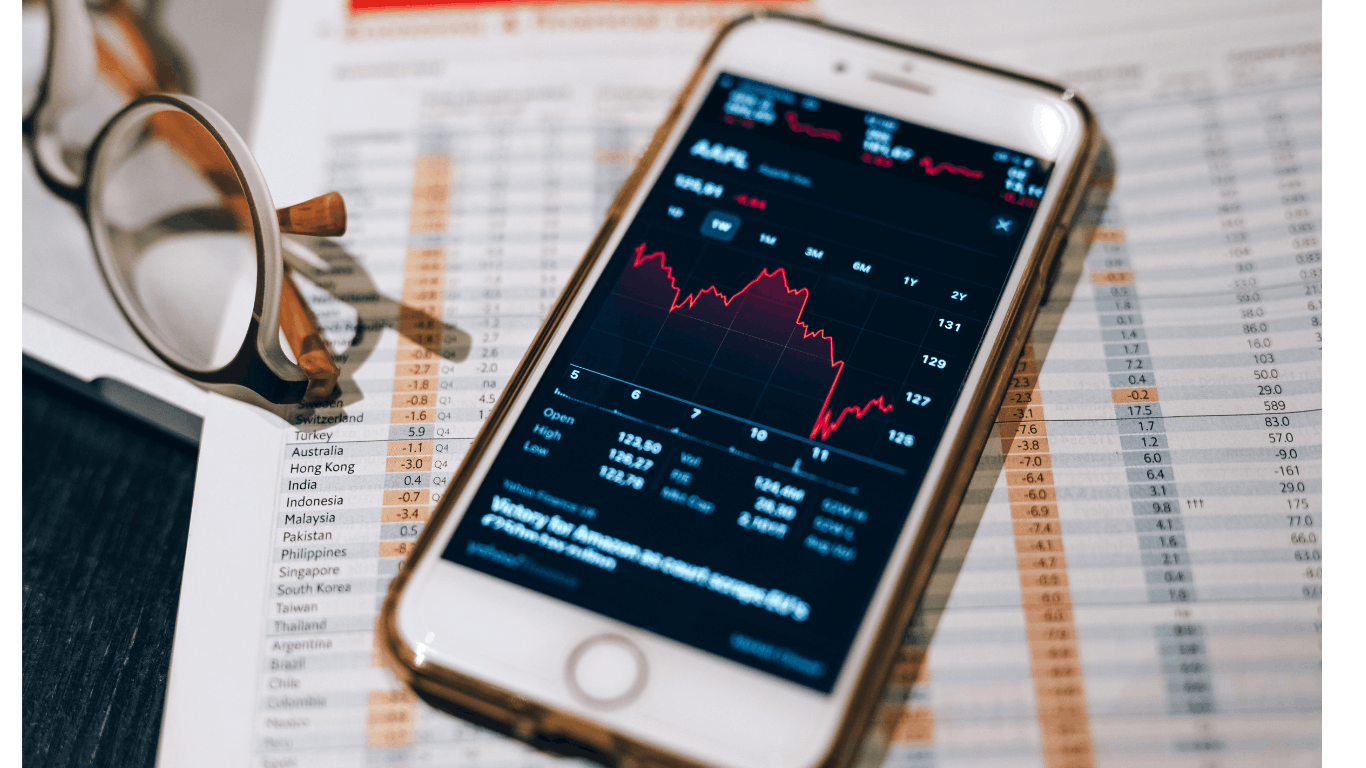
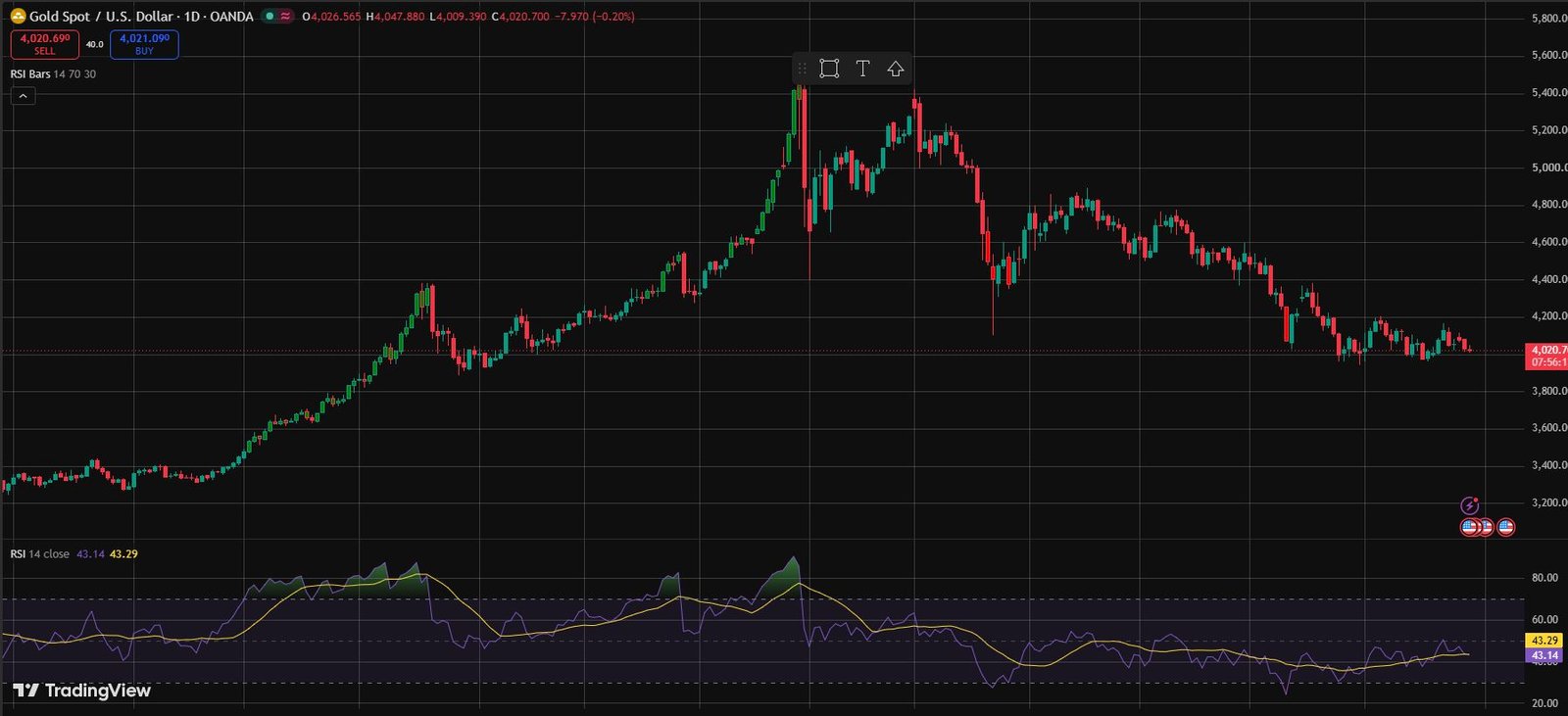
For example, a stock, cryptocurrency, or currency pair may suddenly rise or fall within a short period. This can create uncertainty and make traders feel that they need to act immediately.
A trader might think:
“I need to enter now before the price moves without me.”
Another trader may see a sudden decline and think:
“I need to sell immediately before I lose everything.”
These reactions are often emotional rather than strategic.
The problem is that fast decisions made under stress can cause traders to enter poor positions, close profitable trades too early, or take unnecessary risks.
1. Create a Trading Plan Before Entering a Trade
One of the best ways to remain calm is to make important decisions before the market becomes stressful.
A trading plan can define:
- Entry conditions
- Exit conditions
- Stop-loss level
- Profit target
- Maximum risk per trade
- Position size
- Trading hours
- Conditions for staying out of the market
When your rules are clearly defined, you have fewer decisions to make when prices start moving rapidly.
Instead of asking, “What should I do now?” you can ask, “Does this situation match my trading plan?”
2. Control Your Risk
Large positions can create large emotional reactions.
If you risk too much money on a single trade, even a normal market movement can feel like a crisis. This can encourage panic selling, moving stop losses, or making additional trades to recover losses.
Risk management can help reduce this pressure.
Many traders choose to risk only a small portion of their trading capital on an individual trade. The exact amount depends on the trader’s strategy, financial situation, and risk tolerance.
The important principle is simple:
Never take a position so large that normal price movements make you lose control emotionally.
3. Stop Trying to Predict Every Market Move
Nobody can consistently predict every short-term market movement.
Volatile markets can produce unexpected price changes even when your analysis appears reasonable.
Instead of trying to be right on every trade, focus on managing risk and following a repeatable process.
A losing trade does not automatically mean that your strategy is bad. Likewise, a profitable trade does not necessarily mean that your decision was perfect.
Evaluate your decisions based on your process rather than one individual result.
4. Avoid FOMO During Rapid Price Movements
Fear of missing out (FOMO) is one of the most common psychological problems among traders.
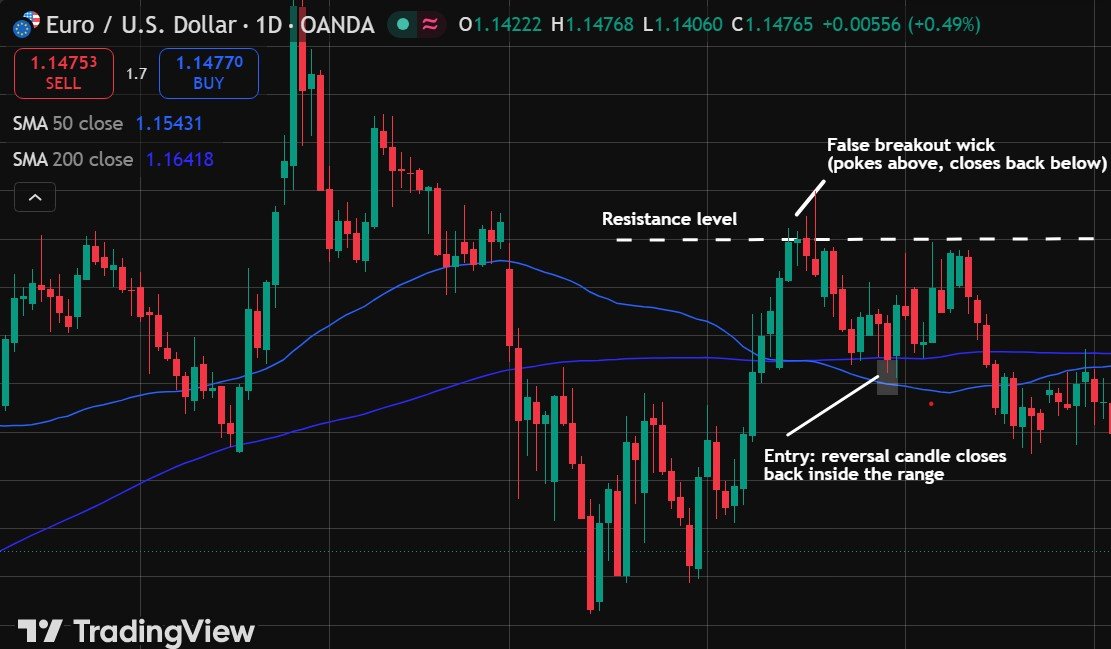
Imagine a market suddenly rises and you see other traders discussing their profits online. You may feel pressure to enter immediately because you believe the opportunity is disappearing.
This can lead to chasing the market.
A useful rule is:
If a trade does not meet your predefined criteria, let it go.
Markets create new opportunities regularly. Missing one trade is usually better than entering a position simply because you are afraid of missing out.
5. Do Not Revenge Trade After a Loss
A losing trade can be frustrating, especially when the loss happens shortly after another losing trade.
Some traders respond by increasing their position size or entering several new trades to recover the money quickly. This behavior is commonly known as revenge trading.
Revenge trading can create a dangerous cycle:
Loss → frustration → larger trade → another loss → more frustration
Instead, step away when you notice that your emotions are becoming stronger than your trading rules.
Taking a break can help you return with a clearer mindset.
6. Use a Trading Journal
A trading journal is useful for understanding both your strategy and your behavior.
For every trade, you can record:
- Why you entered
- Entry price
- Stop-loss
- Profit target
- Position size
- Result
- Emotional state
- Whether you followed your rules
After several weeks or months, review your journal.
You may discover patterns such as entering trades when bored, closing winners too quickly, trading more aggressively after losses, or ignoring your strategy after seeing large market movements.
These behavioral patterns can be more valuable to identify than simply counting winning trades.
7. Take Breaks From the Charts
Watching price movements continuously can increase emotional pressure.
A trader may start reacting to every small price change instead of focusing on the larger trading setup.
Scheduled breaks can help reduce this problem.
If your strategy does not require constant monitoring, consider stepping away from the screen after entering a trade according to your plan.
You do not need to react to every candle.
8. Be Careful With Social Media
Trading communities can provide useful educational information, but they can also increase emotional pressure.
During a market rally, social media may be filled with people discussing huge profits. During a crash, the conversation may suddenly become extremely negative.
Comparing your results with other traders can create unrealistic expectations.
Remember that you usually see only a small part of another person’s trading journey. Social media posts rarely show every losing trade, mistake, or period of poor performance.
Use online content for education rather than making emotional trading decisions.
9. Accept That Losses Are Part of Trading
A good trading strategy can still produce losing trades.
The goal is not necessarily to avoid every loss. The goal is to manage losses so that they remain within your planned risk limits.
Accepting this reality can make it easier to follow your strategy.
When traders believe every trade must be profitable, they may move stop losses, hold losing positions too long, or increase risk to recover quickly.
A disciplined trader understands that individual trades are uncertain.
10. Develop a Pre-Trade Checklist
A simple checklist can help prevent emotional decisions.
Before entering a trade, ask yourself:
- Does this trade meet my strategy?
- Why am I entering?
- Where is my stop-loss?
- Where is my planned exit?
- How much am I risking?
- Am I entering because of FOMO?
- Am I trying to recover a previous loss?
- Am I emotionally calm enough to trade?
If the answers do not support the trade, consider staying out.
How to Stay Calm During a Sudden Market Crash
A sharp market decline can test even experienced traders.
When markets fall quickly, avoid making decisions purely from fear. First, review your existing position and compare the current situation with your trading plan.
If your strategy already includes a predetermined exit or stop-loss, follow the rules instead of changing them because of panic.
If you are not in a position, remember that you do not have to trade simply because the market is moving dramatically.
Sometimes the best decision is no trade.
The Importance of Patience in Trading
Patience is one of the most valuable psychological skills a trader can develop.
There will be periods when the market does not provide a setup that matches your strategy.
That does not mean you are missing opportunities.
Professional-style trading is often about waiting for situations where your strategy provides a reasonable risk-to-reward opportunity rather than constantly entering the market.
Being inactive can also be a disciplined decision.
Trading Psychology vs. Trading Strategy
A strong strategy can provide entry and exit rules, but psychology determines whether you can actually follow those rules.
For example, a trading system may tell you to:
- Enter at a specific setup
- Place a stop-loss
- Take profit at a predetermined level
But fear may cause you to exit too early.
Greed may cause you to ignore the profit target.
Hope may cause you to hold a losing position.
FOMO may cause you to enter without a valid setup.
This is why trading psychology and risk management should be considered alongside technical or fundamental analysis.
A Simple Daily Routine for Better Trading Psychology
A consistent routine can make trading less emotional.
Before Trading
Review your trading plan, check important market conditions, and identify the setups you are looking for.
During Trading
Follow your rules and avoid unnecessary trades. Do not increase risk simply because the market is moving quickly.
After Trading
Record your trades and emotions in your journal. Focus on whether you followed your process rather than judging yourself only by profit or loss.
At the End of the Week
Review your trading behavior. Look for repeated mistakes and identify one or two areas to improve.
Final Thoughts
Trading psychology plays a major role in how traders respond to uncertainty and volatility. Markets will continue to experience sudden rallies, sharp declines, unexpected news, and periods of extreme price movement.
You cannot control the market, but you can control how you respond to it.
A clear trading plan, sensible risk management, patience, journaling, and emotional discipline can help you make more consistent decisions.
The objective is not to become completely emotionless. It is to recognize your emotions and avoid allowing them to override your trading rules.
In volatile markets, staying disciplined can be just as important as finding the right trade.

Hira Ch is a Forex trader and financial content writer specializing in gold, crypto, and currency markets.Based in Lahore, she breaks down complex trading
concepts into simple, actionable insights at ExpertJourny.