Crypto Market Outlook 2026: What Could Drive Bitcoin and Altcoins Next?


Crypto Market Outlook 2026: What Could Drive Bitcoin and Altcoins Next?
The cryptocurrency market continues to evolve rapidly in 2026. Bitcoin remains the most recognized digital asset, while thousands of altcoins compete across areas such as decentralized finance, payments, artificial intelligence, gaming, and blockchain infrastructure.
For investors and crypto enthusiasts, one important question remains: what could drive Bitcoin and altcoins next?
There is no guaranteed way to predict cryptocurrency prices. However, understanding the major factors influencing the market can help readers make more informed decisions and recognize both opportunities and risks.
What Is Driving the Crypto Market in 2026?
Cryptocurrency prices are influenced by a combination of economic conditions, investor sentiment, regulations, technological developments, and market liquidity.
Some of the most important factors to watch in 2026 include:
- Bitcoin adoption
- Institutional investment
- Interest rates and global liquidity
- Cryptocurrency regulation
- Stablecoin growth
- Blockchain development
- DeFi adoption
- Investor sentiment
- Bitcoin supply dynamics
- Growth of real-world blockchain applications
These factors can affect Bitcoin and altcoins differently.
Bitcoin Remains the Center of the Crypto Market
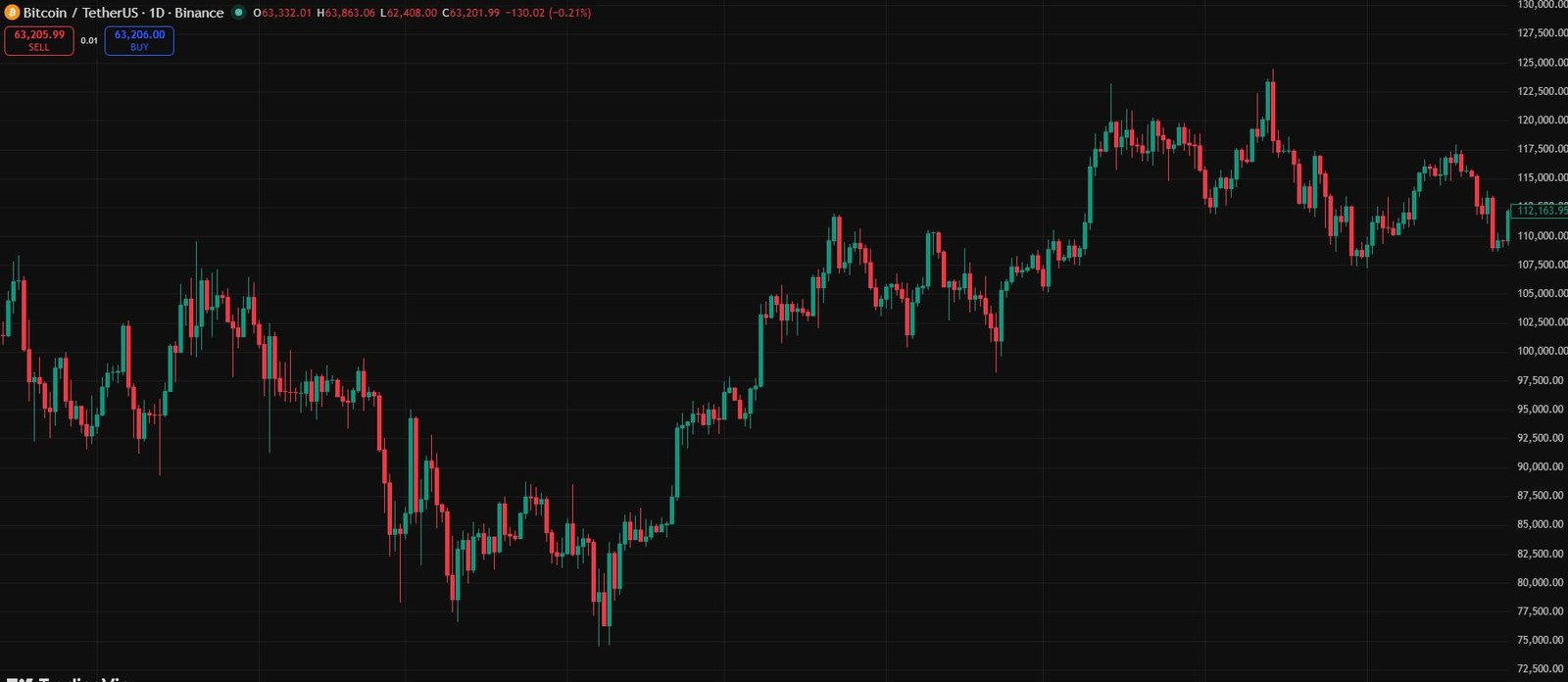
Bitcoin continues to play a major role in cryptocurrency market cycles. Because of its size and liquidity, major movements in Bitcoin can influence the broader digital-asset market.
When Bitcoin attracts strong buying interest, capital may eventually move toward other cryptocurrencies. During periods of market weakness, however, altcoins can experience significantly larger declines.
This makes Bitcoin’s market trend an important indicator for anyone following the wider cryptocurrency sector.
Institutional Interest Could Remain Important
Institutional participation has become an increasingly important part of the cryptocurrency ecosystem.
Large financial companies, asset managers, and other professional investors can bring substantial capital into digital assets. Greater institutional involvement may also contribute to increased market liquidity and broader acceptance of cryptocurrency as an investment category.
However, institutional investment does not automatically mean prices will rise. Professional investors can also reduce exposure when market conditions change.
Interest Rates Can Influence Crypto Prices
Cryptocurrency markets are sensitive to broader financial conditions.
When interest rates are high, investors may prefer traditional assets that provide relatively attractive yields. If monetary conditions become more favorable and liquidity increases, riskier assets such as cryptocurrencies may receive greater investor attention.
For this reason, people following Bitcoin and altcoins should pay attention not only to crypto news but also to major economic developments.
Regulation Could Shape the Next Crypto Cycle
Government regulation is another major factor for the cryptocurrency industry.
Clearer rules can potentially make it easier for legitimate cryptocurrency businesses and financial institutions to operate. At the same time, stricter regulations could create challenges for certain projects, exchanges, tokens, or financial products.
Regulatory developments can therefore create both opportunities and risks for the crypto market.
Investors should check the rules that apply in their own country before buying, selling, or using cryptocurrency.
Stablecoins Could Expand the Crypto Economy
Stablecoins are cryptocurrencies designed to maintain a relatively stable value, often by being linked to a traditional currency such as the U.S. dollar.
They are widely used within cryptocurrency markets for trading, transfers, and decentralized finance.
If stablecoin usage continues expanding, it could increase the amount of capital moving through blockchain networks and strengthen the infrastructure supporting the broader crypto ecosystem.
What Could Drive Altcoins?
Altcoins include cryptocurrencies other than Bitcoin. They range from large established networks to very small speculative tokens.
Their performance can depend heavily on the usefulness and adoption of the underlying project.
Potential drivers include:
1. Real-World Utility
Projects that solve practical problems may have stronger long-term potential than tokens that rely mainly on speculation.
Examples include blockchain networks supporting payments, decentralized applications, tokenized assets, and financial services.
2. Developer Activity
A healthy blockchain ecosystem usually requires developers to continuously build and improve applications.
Projects with active development and growing ecosystems may attract more users and investors.
3. Network Adoption
The number of users, transactions, applications, and businesses using a blockchain can provide useful information about its ecosystem.
Growing adoption does not guarantee that a token’s price will increase, but it can indicate that the underlying network has meaningful activity.
4. Tokenomics
Tokenomics refers to the economic design of a cryptocurrency.
Investors may examine factors such as:
- Total token supply
- Circulating supply
- Token unlock schedules
- Inflation
- Token distribution
- Utility
- Demand mechanisms
A project with strong technology can still face challenges if its token economics create excessive selling pressure.
Could AI and Blockchain Become More Closely Connected?
Artificial intelligence and blockchain are two major technology trends attracting attention.
Some cryptocurrency projects are attempting to combine blockchain infrastructure with AI-related services, decentralized computing, data marketplaces, and automated applications.
The sector is still developing, so investors should carefully distinguish between projects offering genuine technology and tokens using AI terminology primarily for marketing.
Bitcoin Dominance Is Worth Watching
Bitcoin dominance measures Bitcoin’s share of the total cryptocurrency market capitalization.
When Bitcoin dominance rises, Bitcoin may be outperforming many altcoins. When dominance declines, capital may be moving into alternative cryptocurrencies.
It is not a perfect indicator, but it can provide additional context when analyzing cryptocurrency market cycles.
What Are the Biggest Risks in 2026?
Despite the potential of blockchain technology, cryptocurrency remains a high-risk market.
Important risks include:
High volatility: Crypto prices can move sharply within short periods.
Regulatory changes: New rules can affect exchanges, tokens, and crypto businesses.
Security threats: Hacks, phishing attacks, compromised wallets, and smart-contract vulnerabilities remain serious concerns.
Scams: Fraudulent projects and fake investment opportunities continue to target cryptocurrency users.
Liquidity risk: Smaller tokens may become difficult to sell during periods of market stress.
Speculation: Some cryptocurrencies can experience large price movements without corresponding changes in underlying usage.
How Should Investors Approach the Crypto Market?
Instead of attempting to predict the exact price of Bitcoin or an altcoin, investors can focus on understanding the factors behind the market.
Before considering a cryptocurrency, research:
- What problem does the project solve?
- Who is developing it?
- Is the technology actually being used?
- How are the tokens distributed?
- What is the circulating supply?
- Are there upcoming token unlocks?
- How liquid is the cryptocurrency?
- What risks could affect the project?
- Is the project transparent about its development?
- Does the current valuation make sense compared with its fundamentals?
Never invest money you cannot afford to lose, especially in highly volatile digital assets.
Final Thoughts
The cryptocurrency market outlook for 2026 depends on many factors rather than a single event. Bitcoin adoption, institutional participation, economic conditions, regulation, stablecoins, blockchain development, and investor sentiment could all influence the next stage of the market.
Altcoins may offer opportunities in areas such as DeFi, blockchain infrastructure, tokenized assets, and AI-related applications, but they also generally carry higher project-specific risks.
Rather than relying on cryptocurrency price predictions alone, investors can benefit from studying adoption, technology, tokenomics, market conditions, and risk.