

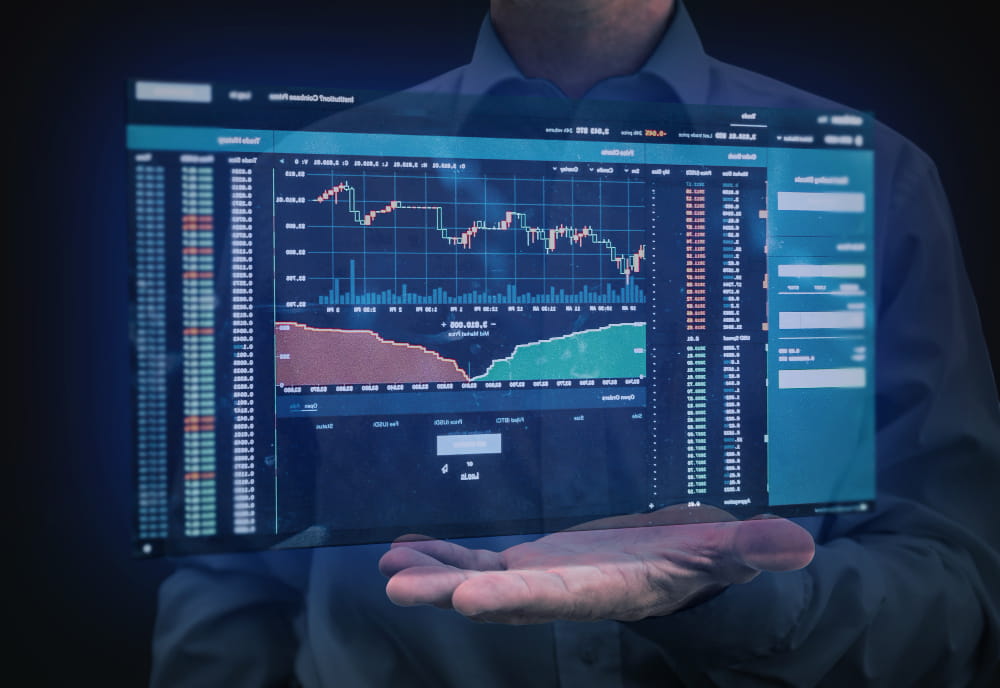
What is Forex Trading? Ultimate Guide begins with understanding the world’s largest financial marketplace. The foreign exchange market connects banks, investors, and everyday traders through a massive global currency market where currencies are bought and sold. In simple terms, forex trading means exchanging one currency for another to profit from changing exchange rate movements.
These constant shifts create opportunities through daily currency fluctuations in the fast-moving forex market. Today, millions of people participate using modern forex trading platforms, making trading accessible from anywhere. By learning how the market works, beginners can better understand global finance, identify trading opportunities, and start building knowledge about one of the most active markets in the world.
What is Forex Trading and How Does the Forex Market Work?
When people ask what is forex trading, they are asking how currencies are bought and sold worldwide. The foreign exchange market runs through banks, brokers, and electronic networks. It connects retail traders and institutional traders. Every trade happens through currency pairs that reflect an exchange rate.
Understanding how forex trading works is simple at first glance. A trader buys a currency expecting higher currency value later. Profit comes from currency fluctuations in the international currency market. Modern forex trading platforms allow online forex trading from home.
Understanding the Global Foreign Exchange Market
The global currency market is the largest financial marketplace on Earth. It operates through an over-the-counter forex structure instead of a central exchange. Activity flows through major global financial centers like the London Forex Market, Tokyo Forex Market, and New York Federal Reserve financial system.
This massive FX market operates continuously during weekdays. The Singapore Forex Market and Hong Kong Forex Market also contribute large activity. According to financial research, the forex trading volume exceeds trillions daily. That scale creates strong forex liquidity for investors.
Major Currency Pairs in Trading
Every currency trading guide starts with the main currency pairs. The most liquid ones are called major currency pairs. These include the Euro, British Pound, and Japanese Yen when paired with the U.S. dollar. They dominate the global trading network.The table below shows examples used by forex traders.
Understanding Currency Pairs in Forex Trading
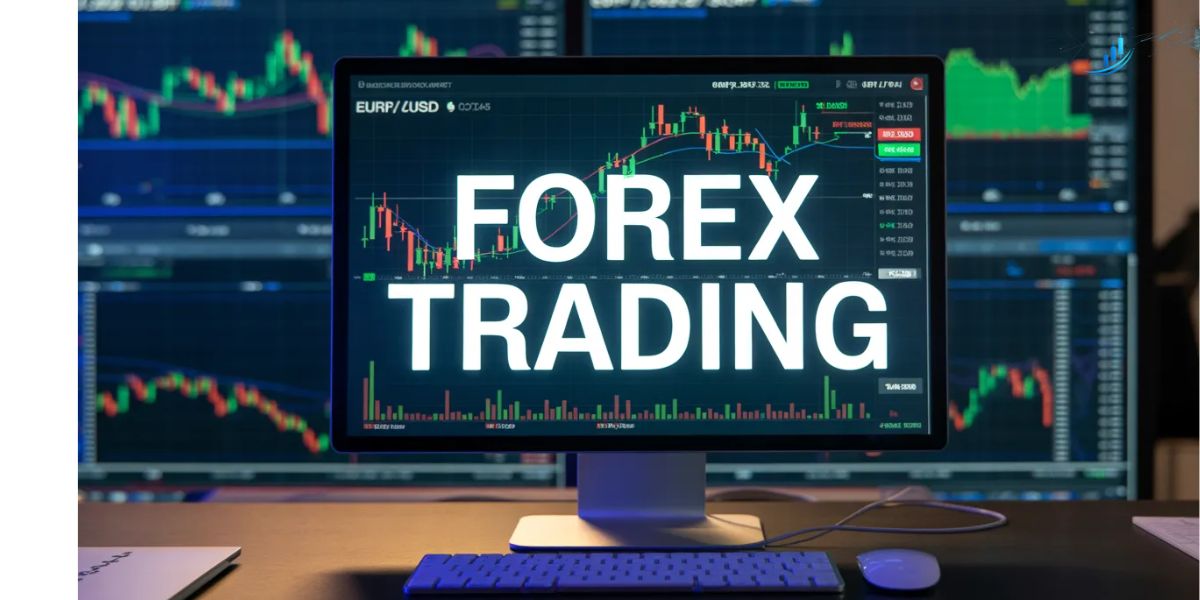
In forex trading, currencies always appear in pairs because traders exchange one currency for another. These currency pairs represent the relative value between two currencies, allowing traders to analyze forex market trends and predict possible price changes. For example, the pair EUR/USD shows how many U.S. dollars are required to purchase one euro.
The following table illustrates examples of major currency pairs commonly traded in the global forex market.
| Currency Pair | Description | Market Popularity |
|---|---|---|
| EUR/USD | Euro vs US Dollar | Highest liquidity |
| GBP/USD | British Pound vs US Dollar | Very active pair |
| USD/JPY | US Dollar vs Japanese Yen | Popular in Asia session |
| USD/CHF | US Dollar vs Swiss Franc | Known as safe-haven pair |
These major currency pairs dominate trading volume due to their strong economies and high currency market liquidity. When traders evaluate what are currency pairs in forex trading, they focus on price quotes that show the bid price and ask price, revealing how traders can buy and sell currencies during fluctuating market conditions.
These pairs reflect global currency price movements inside the foreign exchange market.
Types of Currency Pairs
In the forex market explained clearly, pairs fall into three groups. Major pairs involve the U.S. dollar. Cross pairs exclude the dollar. Exotic pairs connect developed and emerging currencies in the international currency market.
These categories help traders choose strategies in the currency trading environment. Each pair behaves differently due to currency volatility and national economic conditions.
How Forex Trading Works Step-by-Step
People searching forex trading for beginners want a simple path. First, open an account on reliable forex trading platforms. Second, analyze currency pairs and market trends. Third, place orders within the FX market.
The basic process of how to trade forex includes studying the exchange rate, watching currency fluctuations, and entering trades through online forex trading systems.
Bid Price vs Ask Price
In every trade, two numbers appear. The bid price is the value traders receive when selling a currency. The ask price is the amount required when buying the pair.
The gap between these values is the spread. This small difference represents broker cost. Understanding these numbers helps traders make smarter decisions during currency pair trading.
What Are Pips, Lots, and Leverage
A pip measures tiny changes in an exchange rate. These movements drive profits and losses in currency trading. Traders calculate position size through the forex lot size system.
The table below explains trading units used by forex traders.
| Lot Type | Amount |
|---|---|
| micro lot | 1,000 currency units |
| mini lot | 10,000 currency units |
| standard lot | 100,000 currency units |
Leverage, often called forex leverage, allows traders to control large positions using small capital.

Forex Market Hours and Major Trading Sessions
The forex market hours run almost non-stop during weekdays. Different regions create overlapping forex market sessions that shape global liquidity.
| Session | Major Center |
|---|---|
| Asian | Tokyo Forex Market |
| European | London Forex Market |
| American | New York Federal Reserve financial hub |
These overlapping forex trading hours produce strong price activity in the global currency market.
The Role of Liquidity in the Forex Market
Liquidity describes how easily assets can be traded without affecting prices. In the forex market, deep forex liquidity allows traders to enter or exit positions quickly.
High liquidity exists in major currency pairs because they attract both retail traders and institutional traders. This constant activity reduces spreads and supports smoother currency price movements.
What Influences Forex Currency Prices?
Several economic forces influence currency value. These factors shape currency fluctuations across the international currency market.
Economic News and Data Releases
Global economic data releases influence trader expectations. Reports about employment or inflation impact currency price movements. Traders follow them carefully during market speculation.
Interest Rates and Central Bank Policies
Central banks like the European Central Bank or New York Federal Reserve adjust interest rates through central bank policy. Higher rates often attract global capital.
Political Events and Global News
Major geopolitical events can shake the foreign exchange market. Elections or conflicts increase currency volatility in the FX market.
Commodity Prices and Market Sentiment
Commodities such as oil influence export economies. These changes trigger shifts in market speculation and global currency trading activity.
Types of Forex Markets (Spot, Forward, and Futures)
Three markets power the global currency market. The spot market handles immediate trades using the spot exchange rate. This market dominates daily forex trading volume.
The forward market uses a forward contract to lock future prices. Meanwhile forex futures trade on regulated exchanges like the Chicago Mercantile Exchange.
Forex Trading vs Stock Trading – Key Differences
The forex market differs greatly from stock exchanges. Currency markets operate through a decentralized over-the-counter forex network rather than a central building.
Stocks represent company ownership. Forex represents currency exchange between economies. This difference explains why currency trading reacts quickly to global financial news.
Pros and Cons
The FX market offers remarkable opportunities. It provides high liquidity and 24-hour access through online forex trading. Investors can profit from rising or falling prices by going long or going short.
However risk exists. Rapid currency volatility and heavy forex leverage may increase losses. Beginners must learn forex trading basics carefully before entering the global trading network.
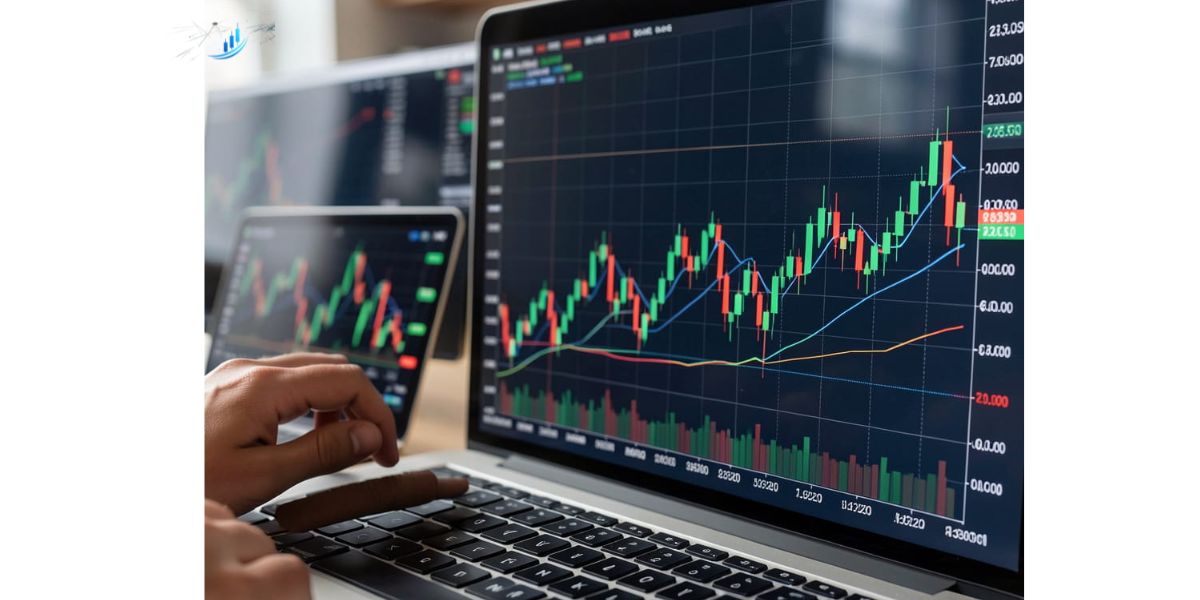
Popular Forex Trading Strategies for Beginners
Different approaches exist for forex trading for beginners. Each method uses market analysis and timing.
Scalping Strategy
Scalping targets tiny profits from frequent trades. Traders watch fast currency price movements using technical analysis.
Day Trading Strategy
Day traders open and close positions within the same forex market hours. They rely on technical analysis and strong discipline.
Swing traders hold positions for several days. They track broader currency fluctuations across the international currency market.
Trend Trading Strategy
Trend traders follow long price movements using fundamental analysis and technical analysis.
How to Start Forex Trading
Anyone interested in learn trading should begin with research and practice. Reliable forex trading platforms offer demo accounts to test strategies.
The journey of how to trade forex usually includes selecting a broker, studying currency pairs, and analyzing the exchange rate before risking money.
Choose a Reliable Broker
A broker connects traders to the foreign exchange market.
Learn Basic Trading Terms
Understanding bid price, ask price, and spread is essential.
Create a Trading Strategy
A plan helps manage market speculation risks.
Practice with a Demo Account
Practice builds confidence before real currency trading begins
Risk Management and Money Management in Forex Trading
Professional forex traders always control risk. They use stop-loss orders to limit damage during extreme currency volatility.
Good risk control protects trading capital within the global currency market. Successful investors treat trading like a disciplined business rather than gambling.
Essential Tools Every Forex Trader Should Use
Modern platforms provide charts, economic calendars, and real-time data. These tools help analyze currency fluctuations.
Professional traders combine price charts with technical analysis indicators. This improves timing when entering the global trading network.
Technical Analysis in Forex
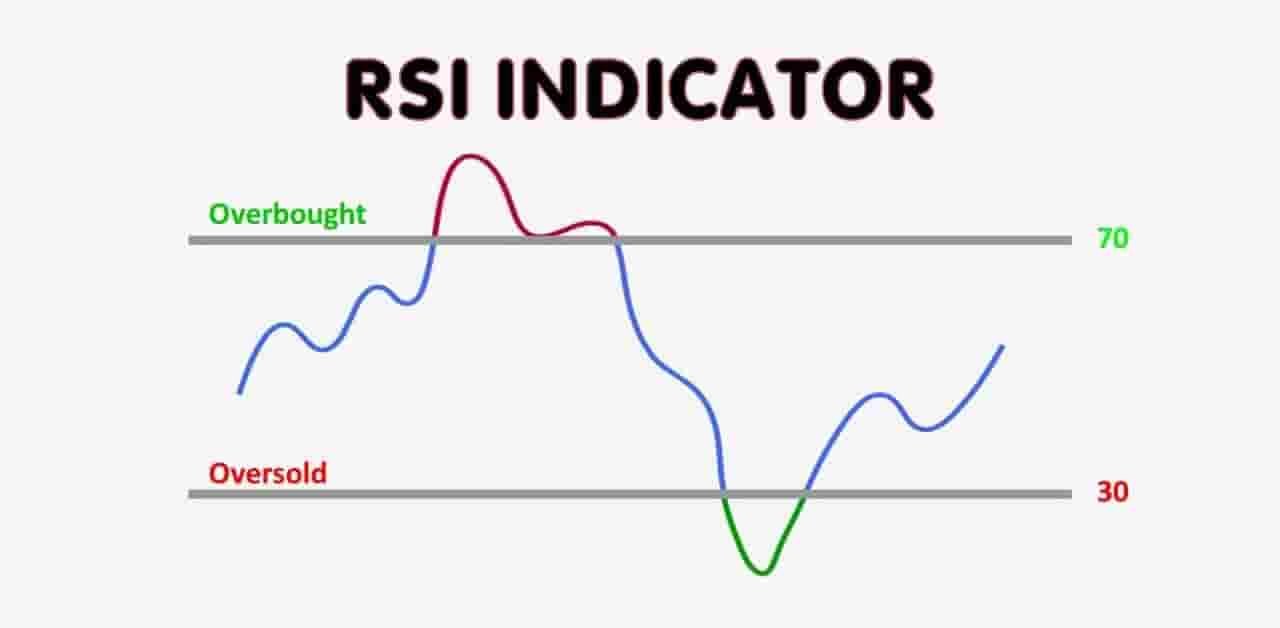
Two major methods guide forex traders. Technical analysis studies price charts and patterns. It focuses on past behavior to predict future moves.
How to Build a Profitable Forex Trading Plan
A strong plan guides long-term success in currency trading. Traders set rules for entry, exit, and risk limits.
This disciplined system reduces emotional decisions. It also improves consistency within the volatile FX market.
Is Forex Trading Profitable or Too Risky?
The forex market offers high potential because of its enormous forex trading volume. Skilled traders profit from changing currency fluctuations.
However the same volatility creates risk. Responsible traders manage exposure and avoid excessive forex leverage.
Forex Trading Terms Every Beginner
Before entering the forex market, beginners must understand essential terminology that shapes every trade. Concepts like leverage and margin allow traders to control larger positions with smaller capital, which can increase profit potential but also raise forex trading risks. Another common concept is stop loss and take profit, a technique used in trading risk management to automatically close trades when specific price levels are reached.
Understanding these terms improves trading education and helps traders build trading discipline. Many beginners begin by practicing in a forex demo account, which simulates real trading conditions without risking real money. This training stage allows forex trading beginners to explore forex broker platforms, analyze currency price fluctuations, and experiment with different forex trading strategies before investing real capital.
Fundamental Analysis in Forex Trading
Fundamental analysis in forex focuses on studying economic conditions that influence currency value. Traders examine economic indicators forex, such as GDP, unemployment rates, and inflation rate, to measure economic strength. When a country shows strong economic growth, its currency may appreciate due to increased foreign investment flows.
The following table shows important economic indicators used in forex market analysis.
| Indicator | Importance |
|---|---|
| GDP | Measures national economic output |
| Inflation Rate | Reflects purchasing power |
| Interest Rate | Controlled by central banks |
| Employment Data | Indicates labor market health |
Changes in these indicators often trigger currency price fluctuations because they influence interest rate changes, investment flows, and expectations about financial market stability. For example, when central banks raise interest rates, investors may move funds into that currency to gain better returns.
Daily Routine of a Professional Forex Trader
A professional trader’s day often begins with reviewing economic data releases and scanning global news affecting global financial markets. Morning preparation includes examining charts, tracking overnight forex price movements, and reviewing analysis reports from reliable market analysis tools.
Throughout the trading session, professionals monitor real-time market data and evaluate potential opportunities based on their trading strategy. Maintaining trading discipline helps them avoid emotional decisions during sudden market volatility, ensuring their trading activity remains consistent and structured.
Best Ways to Stay Updated with Forex Market News
Currency markets respond quickly to information, which is why staying informed is essential. Traders monitor financial websites, economic calendars, and official statements from central banks to anticipate changes in inflation and currency value or upcoming interest rate changes.
Professional traders also follow reports discussing the economic growth impact on forex and major global events. Access to timely information allows traders to understand currency market participants’ reactions and anticipate potential changes in forex market liquidity.
How Technology is Changing the Trading
Technology has transformed the forex trading environment by making online forex trading accessible to millions of people worldwide. Advanced trading platforms such as MetaTrader 4, MetaTrader 5, and KCM Trade provide charting tools, algorithmic strategies, and sophisticated data analysis.
Innovations in automated trading have also introduced high-speed algorithms capable of processing market data within milliseconds. These systems analyze forex market trends, track currency market liquidity, and execute trades automatically, significantly improving efficiency in the global forex market.
How to Avoid Forex Trading Scams
Because of the market’s popularity, fraudulent schemes occasionally appear in the trading industry. Learning how to choose a forex broker carefully helps traders avoid suspicious companies that promise unrealistic profits.
Reliable forex brokers operate under strict regulations and provide transparent services, including secure accounts and verified forex trading signals. Conducting thorough research and reviewing regulatory licenses can significantly reduce exposure to scams.
Best Books Every Forex Trader Should Read
Reading educational resources remains one of the most effective ways to improve knowledge. Many classic trading books explore psychology, risk control, and strategies used by experienced professionals in the foreign exchange market.
Traders who dedicate time to reading often gain deeper insights into forex market analysis, enabling them to interpret economic indicators forex, understand currency price fluctuations, and refine their decision-making skills.
Example of a Real Forex Trade
To understand forex trading better, consider a simple real-world example. Imagine a trader studying the forex market and noticing that the EUR/USD pair may rise because economic reports show strong GDP growth in Europe and stable inflation rate expectations. After performing technical analysis in forex and reviewing market news, the trader decides to buy the pair at 1.1000 using a trusted forex trading platform.
A few hours later, the euro strengthens due to positive market sentiment and favorable comments from central banks. The price moves to 1.1050. The trader closes the position and earns profit from the exchange rate changes between the entry and exit points. This example shows how traders buy and sell currencies in the foreign exchange market while analyzing forex price movements and using proper risk management in forex trading to protect their capital.
The difference creates profit from the shift in currency price movements. Such examples explain how forex trading works in the real FX market.
Common Forex Trading Mistakes Beginners Should Avoid
Many beginners jump into the forex market without preparation. They ignore risk control or trade emotionally.
Avoiding excessive market speculation and understanding basics helps traders survive the volatile international currency market.
Key Takeaways from This Forex Trading Guide
This guide explained and explored how the foreign exchange market connects traders worldwide through continuous currency trading activity. Understanding currency pairs, mastering technical analysis in forex, and learning fundamental analysis in forex can help traders make more informed decisions.
Success is ultimately depends on strong trading discipline, careful risk management in forex trading, and continuous learning. By combining effective forex trading strategies, reliable forex trading tools, and a well-structured trading plan, beginners can gradually navigate the exciting opportunities within the global forex market.
Conclusion
the forex trading industry attracts millions of participants across the global forex market. The foreign exchange market operates through constant currency exchange, allowing traders to respond to exchange rate changes, analyze forex market trends, and explore profitable forex trading opportunities.
However, success in currency trading requires more than luck. Traders must develop strong trading discipline, understand technical analysis in forex and fundamental analysis in forex, and apply solid risk management in forex trading. Using reliable forex trading platforms such as MetaTrader 4, MetaTrader 5, or KCM Trade, along with advanced forex trading tools, can help traders track real-time market data and manage trades effectively.
Frequantly Ask Question:
What is forex trading and how does it work in America?
Forex trading is the buying and selling of currencies, and in America, it operates mainly through regulated brokers with platforms like MetaTrader.
How to turn $100 into $1000 in forex?
By using careful leverage, risk management, and consistent profitable trades, though high returns carry high risk.
What are the 4 types of trading?
Day trading, swing trading, position trading, and scalping.
Is $100 enough to start forex?
Yes, many brokers allow trading with $100, but risk management is crucial.
Key Strategies for Trading with $100
Use low leverage, focus on high-probability trades, trade micro-lots, and protect capital with stop-loss orders.
