
Market volatility has always been a part of financial trading, but the nature of volatility has changed drastically in recent years. Modern markets react faster, move sharply, and often behave in unpredictable ways. These rapid changes confuse many traders, especially beginners who expect stable price behavior. Today’s volatility is shaped by technology, global news,algorithms, and emotional reactions from large groups of traders. Understanding this new style of volatility is essential for anyone who wants to trade confidently.
Volatility simply means how fast and how much the market moves. When price rises or falls quickly, the market is considered volatile. When price stays stable, volatility is low. But modern volatility does not follow old patterns anymore. Instead, it reacts to new factors that never existed before: high-speed trading, global uncertainty, social media trends, and unexpected geopolitical events. These elements create a modern environment where markets can change direction within seconds.
To trade successfully today, you must understand why volatility happens, how it forms patterns, and how these patterns can help you make smarter decisions. This article explains everything in simple words so you can easily follow along, even if you are new to trading.
Modern Volatility Is Faster and More Emotional
One of the biggest reasons markets behave differently today is speed. Technology has changed how traders and institutions react to price changes. Large companies use automated trading systems that instantly buy or sell assets based on specific signals. When these systems trigger at the same time, the market makes sudden movements that can confuse manual traders.
Another major driver of volatility is emotion. Fear and excitement spread faster through social media platforms. A single tweet, a viral video, or a trending news article can create panic or enthusiasm within minutes. Traders react emotionally, even when they do not fully understand the situation. This emotional reaction multiplies volatility.
For example, if bad news spreads quickly, people rush to sell, and the price falls fast. If good news goes viral, people start buying aggressively, and price shoots up. This creates unpredictable patterns that repeat throughout the day.
Global Events Now Affect Every Market
Years ago, local events affected only local markets. Today, the whole world is connected. A political decision in one country can impact markets everywhere. A crisis in one region can cause panic in global trading. Even weather events can influence commodity markets.
This global connection creates a type of volatility that traders were not used to before. Markets move based on global feelings, not just technical analysis. As a result, modern volatility has become a mix of:
Global uncertainty
International trade decisions.Political tensions
Each of these elements can cause unexpected reactions in the market. Understanding them helps traders stay prepared.
Algorithmic Trading Creates New Volatility Patterns
One of the most important changes in modern markets is the rise of algorithmic trading, often known as“algo trading.” These are automated systems designed to trade faster than humans. They analyze millions of data points in seconds and place trades without hesitation.
Because thousands of these systems run simultaneously, small signals can create big movements. Algorithms can cause:
Sudden price spikes
Sharp drops without warning.Repeated patterns within minutes.High-speed fluctuations with no clear reason
These movements are often confusing for human traders because they do not follow traditional chart behaviors.
For example, price may jump up for no clear reason and then return to normal within seconds. This is not manipulation— it is the effect of automated systems reacting to micro signals.
Modern Volatility Often Looks Like Noise
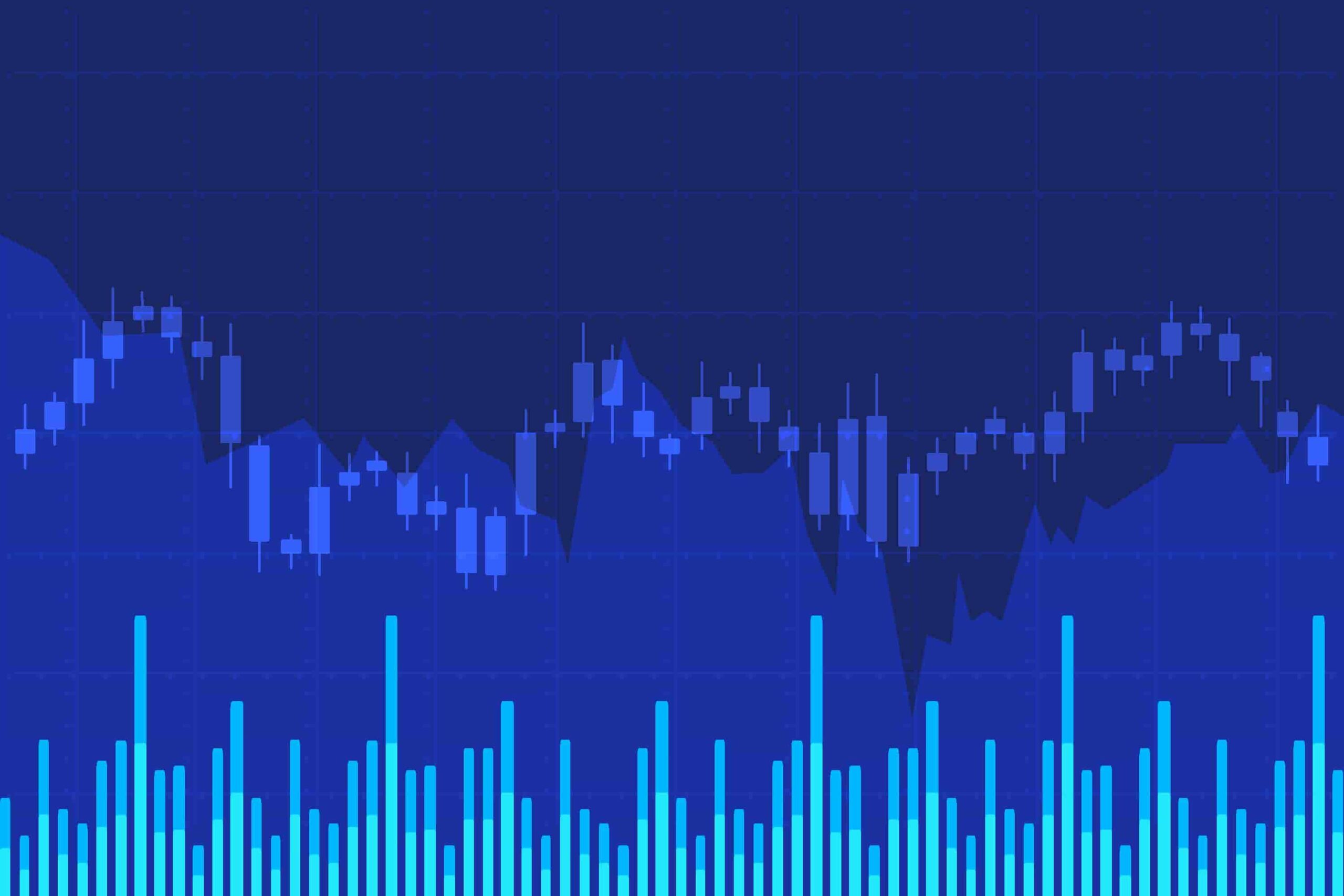
If you view a chart from today and compare it with a chart from ten years ago, you will notice a big difference. Modern charts look noisy, full of spikes, wicks, and quick reversals. This is because of:
High trading volume
High-frequency traders.Instant reaction to news.Global participation
This noise can be distracting. Many traders mistakenly assume the market is unstable. In reality, it is simply reacting quickly. Learning how to read this noise is essential. When you understand volatility patterns, the chart becomes more predictable.
Why Traders Must Study Modern Volatility
Modern markets punish impatience. If you enter a trade without understanding how volatility works today, you can be stopped out quickly. Many traders lose money not because their analysis is wrong, but because they don’t understand how modern volatility behaves.
Studying volatility helps you:
Avoid bad entry points.Identify fake breakout.Recognize real market direction.Understand manipulation traps
Without this understanding, trading becomes guessing. With it, trading becomes strategic.
Sharp Wick Reversals
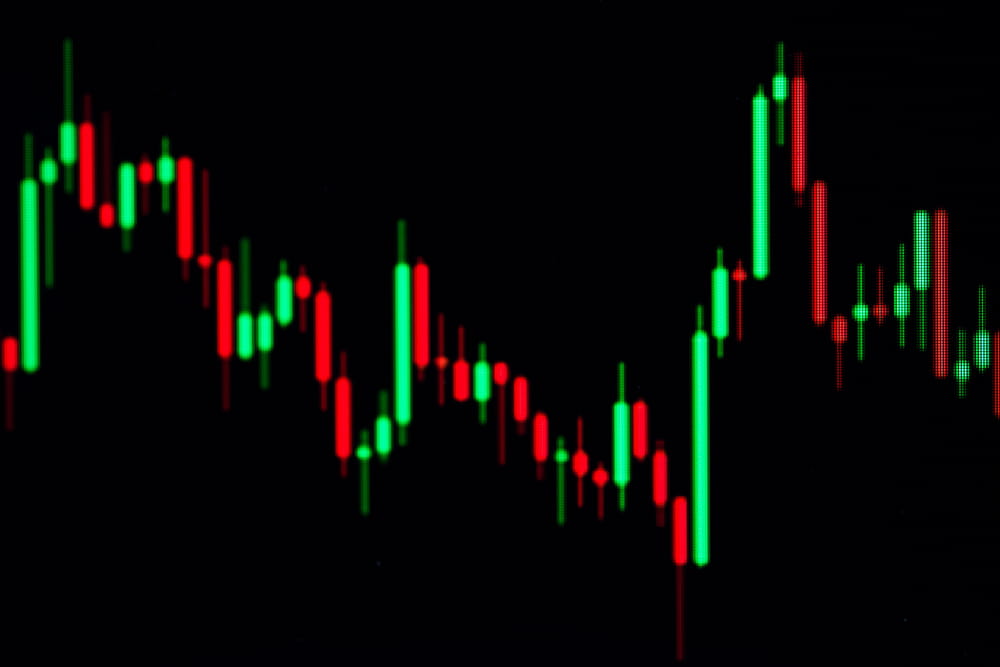
Sharp Wick Reversals happen when the market suddenly moves strongly in one direction and then quickly snaps back in the opposite direction, leaving behind a long wick on the candlestick. These movements usually occur because the market is trying to hunt liquidity, meaning big players push the price up or down to trigger stop losses or trap emotional traders. When price shoots up fast, many traders think a breakout has started and they enter late, but within seconds the price reverses, leaving them stuck. The same happens on the downside when fear causes traders to sell at the worst moment. Sharp wick reversals are common in modern markets because algorithms react instantly to small signals, and any sudden order can cause a quick spike or drop. These wicks can be confusing for beginners, but they show an important truth: the market often tests extremes before choosing a real direction. Understanding this behavior helps traders stay calm, avoid chasing every move, and wait for stable confirmation instead of reacting to sudden spikes. The key idea behind sharp wick reversals is that the first move is usually a trap, and the real move begins after the wick has completed and the market settles again.
Micro-Pullbacks
Sudden Consolidation After News happens when the market reacts strongly to a news event, and after that initial burst of volatility, price suddenly stops moving and enters a tight range. This behavior is very common in modern markets because news causes traders to react emotionally and aggressively, but once the first wave of orders is absorbed, the market pauses to decide the real direction. During this pause, big players are analyzing the impact of the news and waiting for retail traders to make mistakes. The price starts moving in a very narrow box, creating the appearance of calm even though the market is still uncertain. Many traders get confused because they expect the news move to continue, but the consolidation is actually the market catching its breath. This tight range often hides the next big move, and it’s usually a sign that the market is gathering strength before choosing a clearer direction. Traders who enter too early in this period often get trapped because the price can suddenly break out on either side. Understanding sudden consolidation after news helps traders stay patient and avoid jumping in right after the chaos. The best approach is to wait for the market to show whether the news was truly strong enough to create a real trend or if the reaction was just temporary noise.
Common Modern Volatility Patterns
Although modern markets move fast, they still create recognizable patterns. These patterns repeat often and can be used to make better trading decisions.
Fast Breakouts Followed by Retracements
Markets break out strongly and then pull back immediately. This confuses traders, but it is common in modern volatility due to fast orders being triggered.
Sudden Consolidation After News
Market freezes after absorbing large emotional reactions. This creates tight ranges that trap both buyers and sellers.
Volatility Bursts Around Market Open
The opening hour of major sessions (US, UK) brings huge volatility because institutions place large orders at once.
Understanding these behaviors helps you avoid traps and find real opportunities.
How Traders Can Handle Modern Volatility
You don’t need to predict volatility. You need to manage it. The best way is to follow simple, effective rules:
Use Wider Stop Loss During High Volatility
Tight stop loss gets hit easily. Give the trade room to move if market conditions are sharp.
Why Modern Volatility Creates Opportunity
Volatility can be scary, but it is also the reason traders can make profits. Without volatility, price would never move, and no opportunity would exist. The key is to understand how modern volatility works instead of being afraid of it.
Smart traders learn to:.Wait for clean setups.Follow the trend.Avoid emotional decisions
When you start seeing volatility as a tool—not a threat—you gain confidence and clarity.
Modern Volatility and Market Psychology
Behind every sharp movement, there is a psychological reason. Fear and greed shape the market more than any chart pattern. Traders behave similarly under pressure, which is why patterns repeat. Understanding this psychology helps predict volatility.
When traders fear loss, they sell quickly and create downward spikes. When they feel excitement or FOMO, they enter rapidly and push price upward. This emotional cycle repeats daily. Modern volatility simply amplifies these reactions.
Conclusion
Modern market volatility has become a key part of trading, and understanding it is more important today than ever before. Prices move faster, react stronger, and often behave differently because of news, global events, and advanced trading systems. When traders learn how these volatility patterns work, the market becomes less confusing and easier to navigate. Instead of feeling scared or stressed, traders start to see opportunities and use volatility in their favor.
The goal is not to fight fast-moving markets but to understand their behavior and move with them. With patience, clear thinking, and proper risk management, anyone can learn to trade confidently in today’s volatile environment.
Disclaimer: The information in this article is for educational purposes only. It is not financial advice or trading advice.
