

The cryptocurrency market is known for one thing above all else: constant change. Prices move quickly, trends evolve overnight, and new technologies appear almost every month. For beginners and experienced traders alike, understanding what is happening in the crypto world is not about chasing news, but about learning how the market actually works.
In this guide, we will explore the current crypto environment, Bitcoin’s role in the market, Ethereum and altcoins, regulations, risks, and what the future may look like. This article is written purely for educational purposes, using simple language, so anyone can understand the crypto space without confusion.
Understanding the Crypto Market Today
Cryptocurrency is no longer a small or experimental idea. It has grown into a global financial market used by millions of people. From individual traders to large institutions, many now see crypto as an alternative digital asset.
The market usually moves in cycles. Sometimes prices rise quickly, creating excitement. Other times prices fall, creating fear. These movements are normal. What matters most is understanding why prices move, instead of reacting emotionally.
Today’s crypto market is influenced by technology, global economics, regulations, and investor psychology. Bitcoin often leads these movements, while other coins follow its direction.
Bitcoin: The Foundation of Cryptocurrency
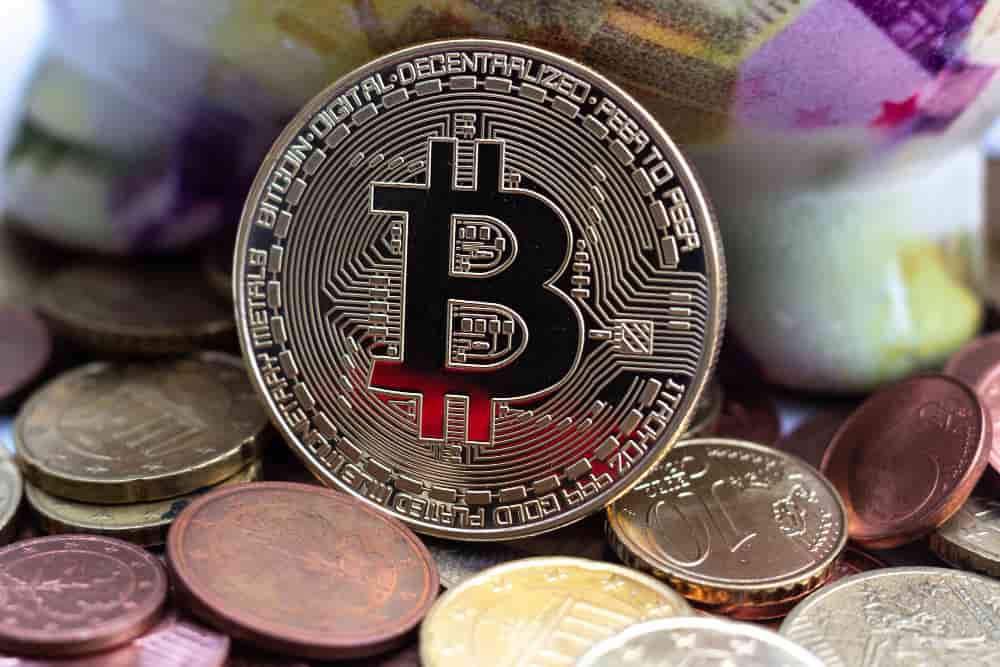
The bitcoin is the first and most well-known cryptocurrency. It is often called “digital gold” because of its limited supply and decentralized nature. There will only ever be 21 million Bitcoins, which is one reason many people believe it holds long-term value.
Despite market ups and downs, Bitcoin continues to show strength. Long-term holders usually do not sell during short-term price drops. Instead, they accumulate slowly. This behavior reduces supply in the market and can support prices over time.
An Bitcoin is also becoming more accepted by institutions. This is important because institutional involvement usually brings stability, trust, and long-term capital into any market.
Institutional Interest and Bitcoin ETFs
One of the biggest developments in crypto has been the introduction of Bitcoin Exchange-Traded Funds (ETFs). These products allow investors to gain exposure to Bitcoin without directly owning it.
Before ETFs, buying Bitcoin required exchanges and wallets, which many traditional investors found difficult. ETFs solved this problem by offering Bitcoin exposure through regulated platforms.
This change has helped crypto gain legitimacy. Large investment firms, pension funds, and asset managers are now able to participate more easily. While ETFs do not remove volatility, they do signal that Bitcoin is slowly becoming part of the traditional financial system.
Ethereum and the Growing Crypto Ecosystem
The Ethereum is the second-largest cryptocurrency and plays a different role than Bitcoin. While Bitcoin focuses on being a store of value, Ethereum is a platform for building decentralized applications.
Ethereum supports areas such as decentralized finance (DeFi), non-fungible tokens (NFTs), and blockchain-based games. Recent upgrades have improved its efficiency and reduced energy usage, making it more attractive to developers and users.
Many new crypto projects are built on Ethereum or similar platforms. This has created an entire ecosystem beyond just buying and selling coins.
Altcoins: Opportunities and Risks
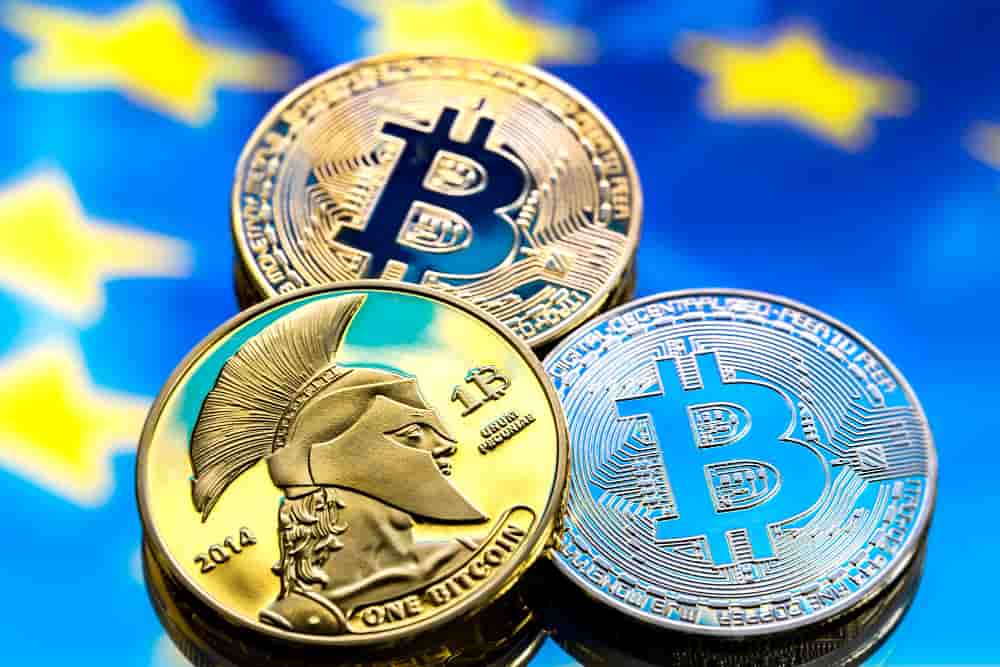
The Altcoins refer to all cryptocurrencies other than Bitcoin. Some focus on speed, others on privacy, gaming, artificial intelligence, or decentralized storage.
While altcoins can offer higher returns, they also carry higher risk. Prices can rise quickly, but they can also fall just as fast. Many projects fail due to poor development, weak teams, or lack of real use cases.
For beginners, it is safer to focus on understanding major cryptocurrencies before exploring smaller projects. Research, patience, and risk management are essential.
Regulation and Its Impact on Crypto
The Regulation has become a major topic in the crypto industry. Governments are now creating clearer rules to control fraud, protect users, and monitor financial activity.
Although regulation sometimes creates fear in the market, it can also be positive. Clear rules help remove scams and build trust. Over time, regulation may help crypto integrate more smoothly into the global economy.
Different countries approach crypto differently, which is why prices may react strongly to regulatory news.
The Role of Global Economics
Crypto does not move alone. Global factors like inflation, interest rates, and economic uncertainty strongly influence prices.
When interest rates are high, investors often avoid risky assets like crypto. When rates are expected to fall, markets may recover. Bitcoin is especially sensitive to changes in economic policy.
Understanding macroeconomic trends helps traders make better decisions instead of reacting blindly to price changes.
Security, Scams, and Risk Awareness
As crypto adoption grows, scams also increase. Fake projects, phishing attacks, and social media fraud are common risks.
Security starts with education. Using trusted platforms, strong passwords, and hardware wallets can reduce risk. Investors should never invest money they cannot afford to lose.
Doing personal research is critical. Promises of guaranteed profits are usually warning signs.
Long-Term Outlook of Cryptocurrency
Cryptocurrency is still evolving. While short-term volatility will continue, long-term adoption is growing steadily. Blockchain technology is being explored for payments, supply chains, digital identity, and asset tokenization.
The future of crypto depends on innovation, regulation, and responsible use. Those who focus on learning rather than speculation are more likely to benefit in the long run.
Bitcoin Supply Shock and Halving Effect
One important factor that often appears in Bitcoin news but is not always clearly explained is the concept of supply shock. Bitcoin has a fixed supply of 21 million coins, which means no central authority can print more Bitcoin when demand increases. This scarcity is one of the strongest reasons why many investors consider Bitcoin a long-term store of value.
Another key event related to supply is the Bitcoin halving. Every four years, the reward given to miners for validating transactions is cut in half. This reduces the number of new Bitcoins entering the market. Historically, halvings have created strong bullish momentum over time because demand stays the same or increases while supply slows down. Although the price does not always rise immediately after a halving, the long-term impact has often been positive.
Because of this mechanism, many long-term holders see short-term price drops as opportunities rather than threats. This mindset explains why Bitcoin continues to recover after major corrections.
How Institutions Are Changing Market Behavior
Institutional investors do not trade the same way retail traders do. They focus on long-term positioning rather than quick profits. This shift is slowly reducing extreme panic selling in the market. While volatility still exists, it is becoming more structured and less emotional compared to earlier years.
Another major change institutions bring is transparency. Large funds are required to report holdings, which adds credibility to Bitcoin as an asset class. This visibility helps regulators, banks, and even conservative investors understand crypto better. As a result, Bitcoin is no longer seen only as a speculative gamble but as part of a diversified investment strategy.
This growing confidence is one of the reasons why Bitcoin often recovers faster after negative news compared to smaller cryptocurrencies.
Real-World Use Cases Beyond Trading
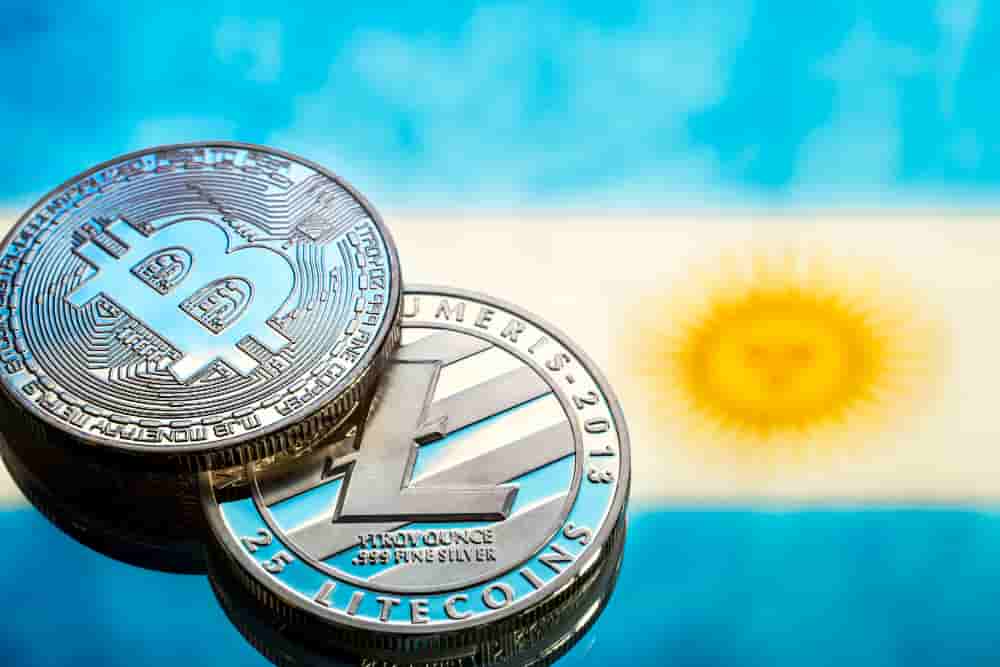
latest news of crypto is no longer limited to price charts and speculation. Blockchain technology is slowly entering real-world applications. Many companies are experimenting with blockchain for supply chain tracking, digital identity, and secure data storage.
Ethereum plays a major role here because it allows developers to build decentralized applications. These apps remove the need for middlemen, making systems more transparent and efficient. This practical usage strengthens Ethereum’s long-term value, even during bearish market phases.
As adoption grows, cryptocurrencies are shifting from purely speculative assets to tools that solve real problems. This transition is crucial for the long-term survival of the crypto industry.
Why Regulation Is Not Always Bad
Many beginners panic whenever they hear negative regulatory news. However, regulation does not automatically mean the end of crypto. In fact, clear rules can attract more serious investors who were previously afraid of legal uncertainty.
Regulation helps separate genuine projects from scams. When exchanges and projects follow rules, user funds become safer. This increases public trust and encourages wider adoption. While strict regulations may slow innovation temporarily, they also create a stronger foundation for sustainable growth.
Understanding this balance helps investors react calmly instead of emotionally to breaking crypto news.
Bitcoin as Digital Gold
Over time, Bitcoin has earned the nickname “digital gold.” This comparison comes from its limited supply and independence from central banks. During periods of currency devaluation or economic instability, some investors turn to Bitcoin as a hedge.
However, Bitcoin is still more volatile than gold. This is because the market is smaller and still developing. As adoption increases, many analysts believe volatility will gradually decrease. This does not mean price movements will stop, but they may become more predictable.
This perspective explains why long-term investors are less concerned about daily price fluctuations.
The Importance of Education in Crypto
Education is the strongest defense against scams. Most crypto losses happen not because of technology failure but because of human error. Clicking fake links, trusting unknown platforms, or chasing unrealistic profits are common mistakes.
Reliable crypto education focuses on risk management, patience, and verification. Learning how wallets work, understanding private keys, and recognizing red flags can save investors from major losses. This is why staying updated with authentic crypto news sources is critical.
A well-informed investor is always one step ahead of scammers.
Market Psychology and Emotional Control
Crypto markets are heavily influenced by emotions. Fear and greed drive price movements more than fundamentals in the short term. Social media hype can push prices unrealistically high, while panic news can cause sharp drops.
Successful investors learn to control emotions. They avoid impulsive decisions and stick to a clear strategy. Understanding market psychology helps traders recognize traps such as FOMO (Fear of Missing Out) and panic selling.
Conclusion
The crypto market is complex, fast-moving, and full of opportunity. Bitcoin remains the foundation, Ethereum powers innovation, and altcoins add diversity. At the same time, risks such as volatility, regulation, and security threats cannot be ignored.
Education is the strongest tool in crypto. By understanding how the market works and managing risk carefully, traders and investors can approach crypto with confidence instead of fear
For investors, the key is balance. Staying informed without overreacting, managing risk carefully, and focusing on long-term goals can make the journey smoother. The latest news of crypto and Bitcoin should be seen as guidance, not noise.
FAQ,s
What is crypto going for right now?
Cryptocurrency prices change constantly based on market demand, news, and global economic trends, so check real‑time price charts on trusted exchanges for the latest data.
What is the latest prediction for Bitcoin?
Analysts often have mixed views, but many expect Bitcoin to stay volatile in the short term and potentially grow long term due to institutional interest and limited supply.
Why is crypto low today?
Crypto can dip due to negative news, regulatory concerns, high interest rates, or profit taking by traders — prices reflect market sentiment.
Is Bitcoin now going up?
Bitcoin’s price moves up and down daily; it may be rising at times, but long‑term trends are shaped by demand, adoption, and global economic conditions.
Disclaimer
This content is for educational and informational purposes only. It does not provide financial or investment advice.

[…] Pro Mode for experienced traders […]