
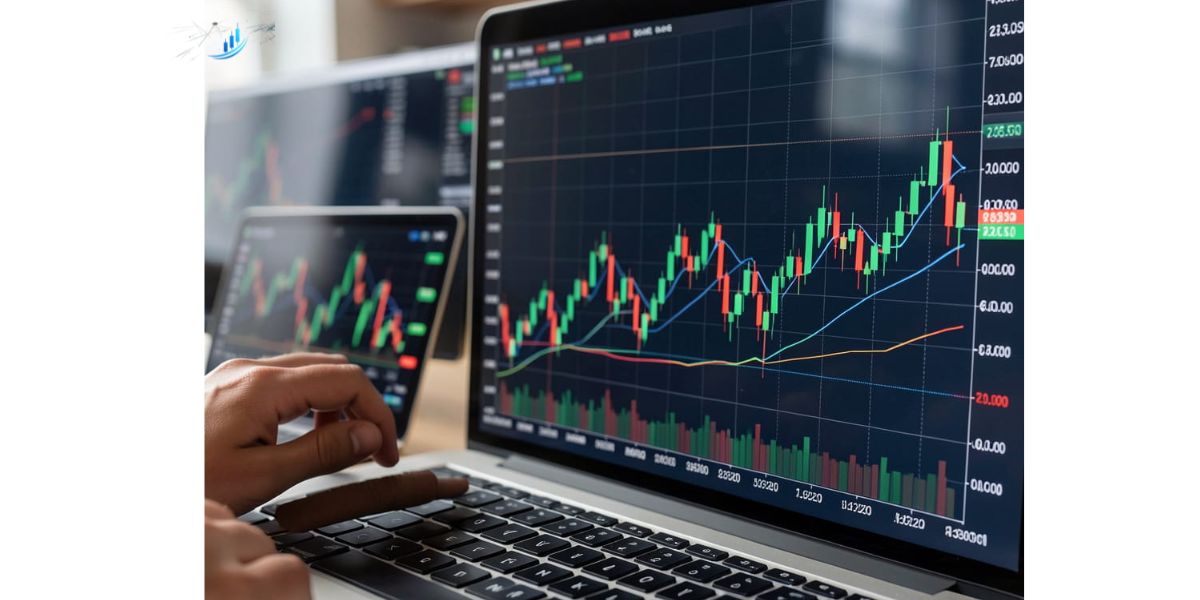
Trading plays a central role in the global economy, yet many people still ask what is trading why it matters in modern finance today. In simple terms, trading means buying and selling financial instruments such as stocks, currencies, commodities, and digital assets within global markets. Investors participate in these markets to benefit from price changes and growing opportunities.
Modern online trading platforms have made it easier than ever for individuals to access markets that were once limited to large institutions. By understanding how trading works, people can analyze market trends, respond to economic changes, and make smarter financial decisions in an increasingly connected financial world.
What Is Trading and Why It Matters
To understand what is trading why it matters in modern finance, imagine a marketplace where people exchange valuable items. In modern finance, traders exchange financial instruments such as stocks, currencies, or commodities. They aim to profit from price fluctuations while observing supply and demand and analyzing market trends.
Trading matters because it supports economic activity worldwide. Through, individuals and institutions participate in trading markets that connect banks, corporations, and investors. These markets improve market liquidity and help businesses raise capital through the stock market.
How Trading Works in Financial Markets
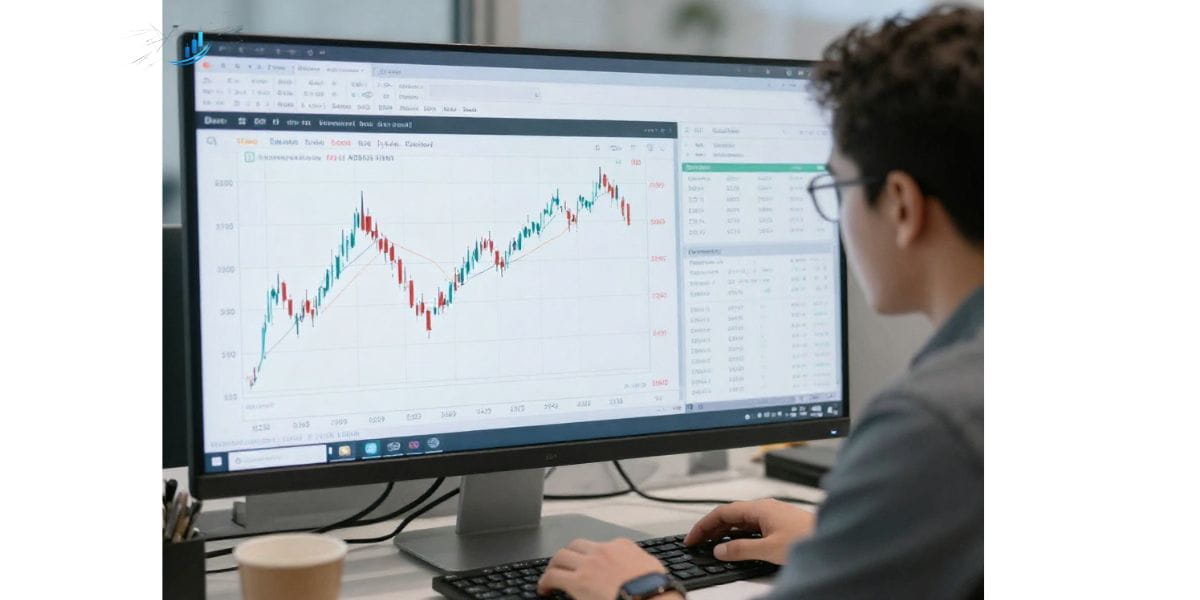
Many beginners ask what is trading why it matters in modern finance. In simple terms, traders predict price movements in trading and then open a buy position or sell position. If the market moves in their favor, they earn profit. If it moves against them, they face losses.
Traders use tools like price charts and technical indicators to study market analysis. They also follow macroeconomic factors, including interest rates and inflation, which influence market volatility and asset prices in global trading markets.
| Trading Component | Explanation |
|---|---|
| Market order | Instant execution of a trade |
| Buy position | Expecting prices to rise |
| Sell position | Expecting prices to fall |
| Stop loss orders | Tool used for risk management |
The History and Evolution of Trading
The history of trading started thousands of years ago with simple barter systems. People exchanged goods such as food, animals, and tools. Over time, organized markets developed. The first structured stock market appeared in Europe during the 17th century.
Modern trading changed dramatically with technology. Today, online trading platforms allow investors to trade instantly from anywhere. Advanced tools help traders analyze market trends and respond quickly to global economic news affecting financial instruments.
Difference Between Trading and Investing
Many people confuse trading with investing. Trading focuses on short-term profit opportunities from price fluctuations. Investors, however, aim for long term trading opportunities by holding assets for years.
Another key difference involves strategy. Traders often rely on technical analysis and trading signals to capture quick gains. Investors depend more on fundamental analysis and company growth potential within the stock market.
Major Financial Markets Where Trading Happens
There are several global trading markets where investors exchange different asset classes. Each market operates with unique characteristics, opportunities, and risks.
| Market Type | Example Assets |
|---|---|
| stock market | Company shares |
| forex market | currency pairs like EUR/USD |
| commodity market | Gold and oil |
| cryptocurrency market | Bitcoin and Ethereum |
| indices market | S&P 500 |
These markets function through continuous supply and demand interaction. When demand increases, prices rise. When supply grows, prices fall.
Stock Trading Explained for Beginners
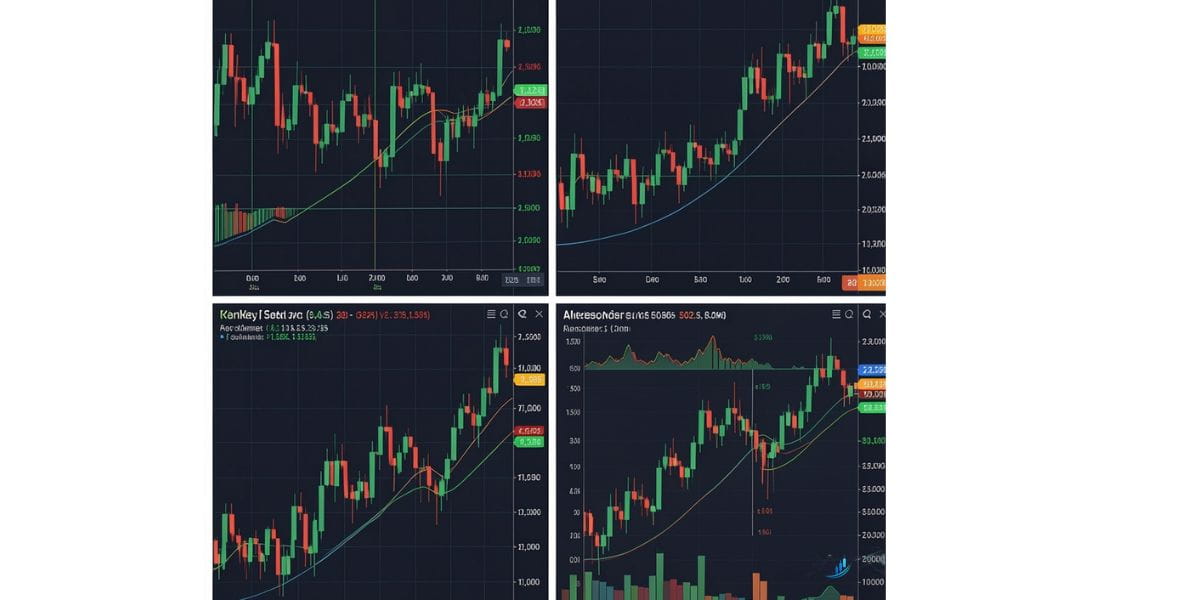
Stock trading involves buying and selling shares of companies listed on the stock market. Traders watch price charts and market trends to predict movements and capture profits.
A trader might analyze earnings reports and economic data. They combine technical analysis with fundamental analysis to identify opportunities. In many cases, traders use margin trading and leverage trading to control larger positions.
Forex Trading: The World’s Largest Financial Market
Forex trading occurs in the global forex market, where traders exchange currencies like EUR/USD and GBP/USD. This market is the largest financial market in the world.
The forex market operates 24 hours daily. Traders study market volatility and monitor interest rates changes because central bank decisions directly influence currency pairs and their price direction.
Cryptocurrency Trading and Digital Assets
Cryptocurrency trading involves digital assets like Bitcoin. These assets operate in the global cryptocurrency market, which is known for strong price fluctuations.
Many traders use technical indicators to predict market trends. However, the crypto market also reacts strongly to news and macroeconomic factors, making risk management essential for traders.
Commodity Trading: Gold, Oil, and Natural Resources
Commodity trading focuses on physical resources like metals and energy products. Traders participate in gold trading or oil trading by predicting supply shortages or increased demand.
Commodity prices react strongly to global events. Weather conditions, geopolitical tensions, and production levels influence market volatility and shape price movements in trading.
Index Trading and How Market Indices Work
Indices trading allows traders to speculate on entire groups of companies instead of individual stocks. Examples include major benchmarks representing national economies.
Traders monitor market analysis and economic reports to identify opportunities in the indices market. This approach reduces the risk associated with single company performance.
Exchange-Traded Funds (ETFs) in Trading
Exchange traded funds represent baskets of assets traded like stocks. Many investors prefer ETF trading because it provides exposure to several asset classes within a single investment.
ETFs track indices, commodities, or sectors. Their diversification helps reduce risk while still allowing traders to capture opportunities created by market trends.
Different Types of Trading Strategies
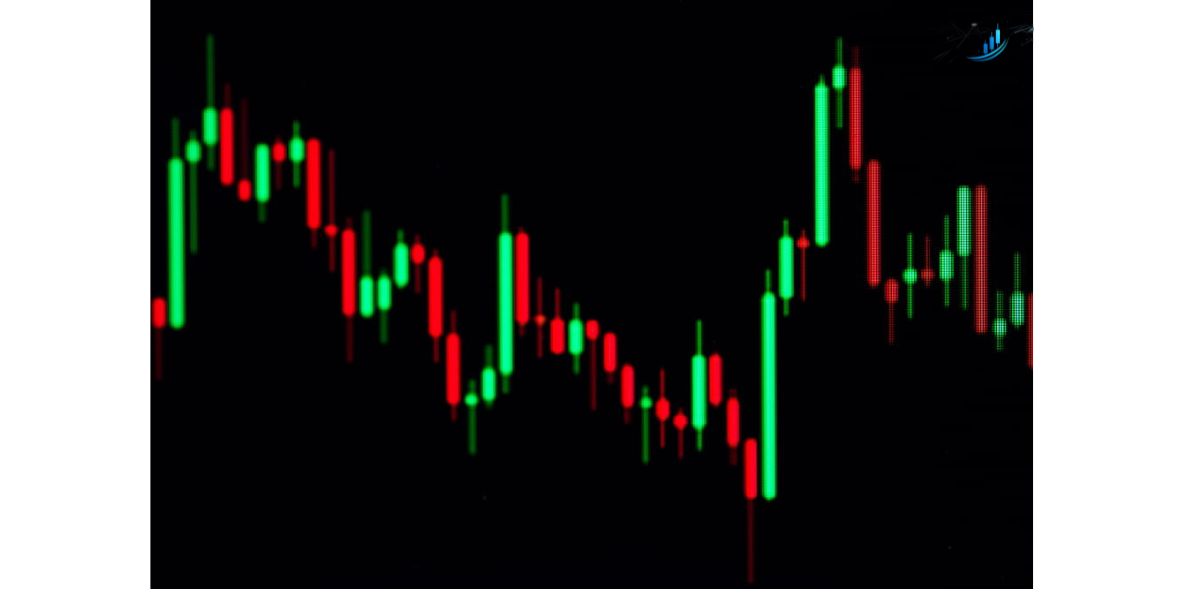
Successful traders rely on clear trading strategies. A well-defined trading strategy helps manage risks and improve decision-making.
Traders often combine technical analysis, market analysis, and trading signals to identify entry and exit points. Their strategy also includes strict risk management rules.
Day Trading: Fast-Paced Market Opportunities
Day traders perform short term trading activities. They open and close positions within the same trading day.
These traders closely monitor price charts and react quickly to market volatility. Their goal is to capture small gains from rapid price movements.
Swing Trading: Capturing Short-Term Trends
Swing traders hold positions for several days or weeks. They attempt to capture intermediate market trends.
Most swing traders rely heavily on technical analysis and technical indicators. Their goal is to profit from medium-term price fluctuations.
Scalping Trading Strategy Explained
Scalping focuses on extremely fast trades. Traders aim to profit from very small price changes.
This method requires strong market liquidity and accurate trading signals. Many scalpers execute dozens of trades daily.
Position Trading for Long-Term Market Trends
Position traders follow long term trading strategies. They may hold assets for months or years.
Their decisions rely heavily on fundamental analysis and global macroeconomic factors such as inflation and economic growth.
Momentum Trading Strategy
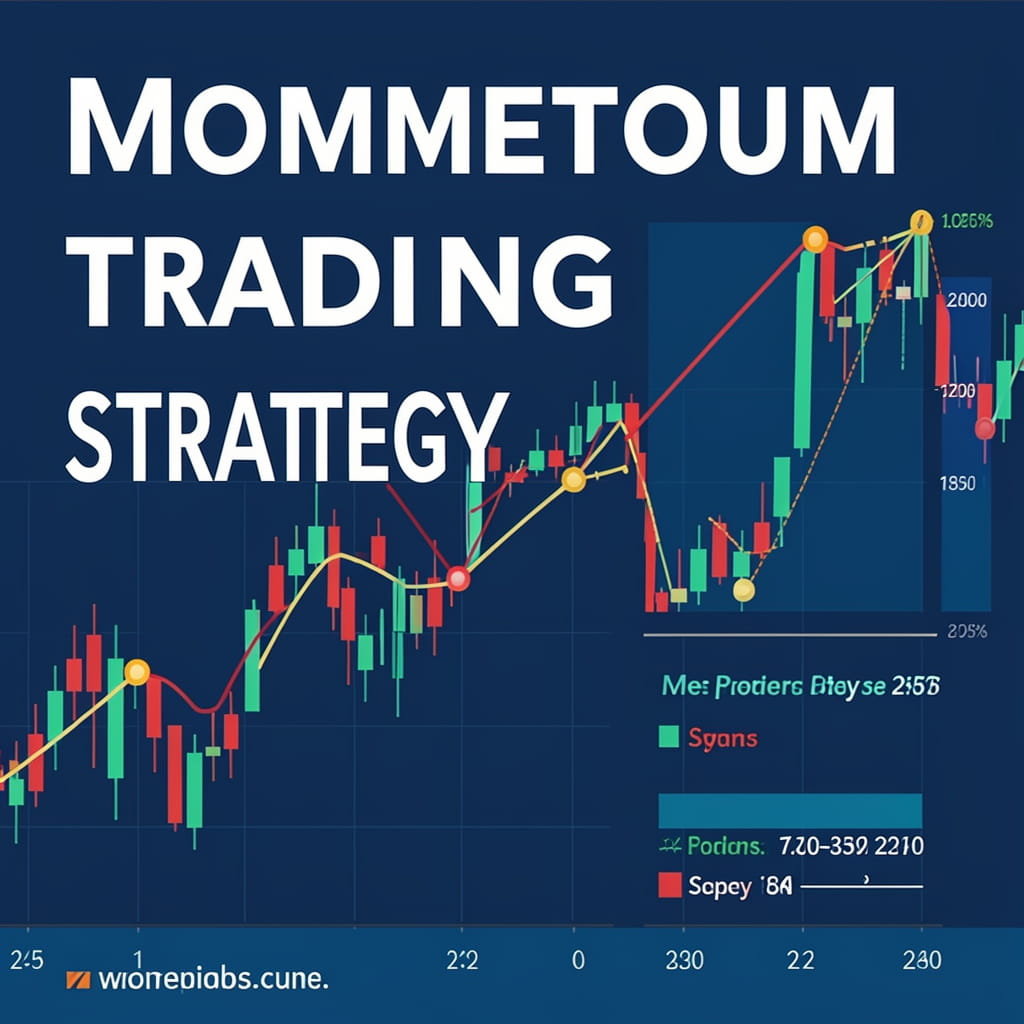
Momentum trading involves identifying strong price movements. Traders follow assets moving rapidly in one direction.
They track market trends using technical indicators and enter a long position during upward momentum or a short position during downward trends.
Algorithmic and Automated Trading
Modern trading increasingly relies on automated systems. Algorithms analyze huge volumes of data in seconds.
These systems monitor price charts, detect trading signals, and execute trades automatically across global trading markets.
How Beginners Can Start Trading Step by Step
Anyone can learn how to start trading with the right knowledge and discipline. Beginners typically open an account with a reliable trading broker.
After opening an account, traders study market analysis, practice strategies, and place their first market order on professional trading platforms.
Choosing the Right Trading Broker
Selecting a trusted broker is essential for success. Brokers provide access to global financial instruments and secure trading platforms.
Traders should compare fees, spreads, and tools before choosing a broker. A reliable broker also offers educational resources for trading for beginners.
Understanding Market Analysis in Trading
Market analysis helps traders evaluate future price movements. It combines economic data, historical patterns, and market behavior.
Traders interpret market trends by examining price charts and economic indicators. These insights guide strategic trading decisions.
Technical Analysis and Trading Indicators
Technical analysis focuses on studying historical price patterns. Traders analyze price charts to identify trends and potential reversals.
They use technical indicators such as moving averages or RSI. These tools generate useful trading signals for decision making.
Fundamental Analysis in Trading
Fundamental analysis studies economic conditions influencing markets. Traders evaluate corporate earnings, GDP growth, and global events.
Important macroeconomic factors include interest rates changes and inflation levels. These factors strongly influence market volatility and asset prices.
Risk Management Techniques Every Trader Must Know
Every trader must practice proper risk management. Even experienced traders face losses when markets behave unpredictably.
Traders use stop loss orders to limit potential losses. Position sizing and careful planning help reduce exposure to extreme market volatility.
Common Trading Mistakes Beginners Should Avoid
Many beginners lose money because they ignore strategy. Emotional trading and lack of discipline cause costly mistakes.
Successful traders rely on a structured strategy. They avoid impulsive decisions and always apply strict risk management principles.
The Role of Emotions and Psychology in Trading
Psychology plays a major role in trading success. Fear and greed influence many market decisions.
Professional traders maintain discipline. They rely on data-driven market analysis rather than emotional reactions to price fluctuations.
Advantages and Disadvantages of Trading
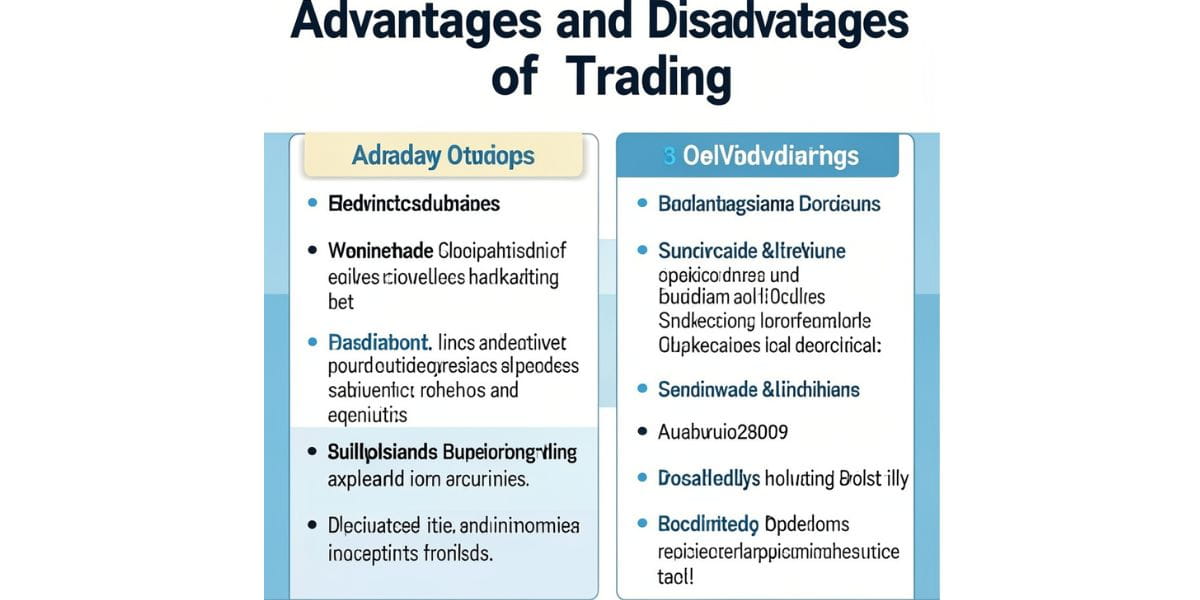
Trading offers many opportunities for financial growth. However, it also involves risks.
| Advantage | Disadvantage |
|---|---|
| Profit from price fluctuations | Exposure to market volatility |
| Access to global trading markets | Requires strong discipline |
| High liquidity | Potential financial loss |
Is Trading Gambling or a Professional Skill?
Some people believe trading is gambling. In reality, professional trading relies on research and planning.
Successful traders use technical analysis, fundamental analysis, and strict risk management rules. These practices transform trading into a structured financial activity.
Real Example of a Successful Trade
Imagine a trader analyzing currency pairs like EUR/USD. After studying market trends and economic news, the trader opens a buy position.
When the currency value rises due to favorable interest rates data, the trader closes the position with profit. This simple scenario shows how how trading works in practice.
Key Takeaways from This Trading Guide
Understanding TRADING and helps you navigate modern financial systems. Trading connects investors, companies, and governments within global markets.
When traders combine strong market analysis, effectives trategies, and disciplined risk management, they increase their chances of success in dynamic global markets.
Frequanty Ask Question
What do you mean by trading?
Trading means buying and selling assets like stocks, currencies, or commodities to make a profit from price changes.
Is trading haram in Islam?
Trading is generally halal in Islam if it follows fair practices and avoids interest (riba), gambling, and excessive uncertainty.
What are the 4 types of trading?
The four common types of trading are day trading, swing trading, scalping, and position trading.
What is the 90% rule in trading?
The 90% rule suggests that about 90% of beginner traders lose 90% of their money within the first 90 days of trading.
What is the No. 1 rule of trading?
The number one rule of trading is to protect your capital by using proper risk management.
How did one trader make $2.4 million in 28 minutes?
A trader reportedly earned $2.4 million in 28 minutes by taking advantage of rapid market price movements during high volatility.
Conclusion
in conclusion, understanding what is trading and helps you see how modern financial systems operate and why markets move every day. Trading allows individuals and institutions to buy and sell assets across global trading markets, creating opportunities to profit from price fluctuations. However, success in trading requires knowledge, discipline, and strong risk management.
By studying market trends, applying technical analysis, and understanding economic factors, traders can make smarter decisions. Whether someone chooses stock trading, forex trading, or cryptocurrency trading, learning the fundamentals and practicing carefully can turn trading into a valuable financial skill rather than a risky guess.
