


If you have ever looked at a trading chart, you might feel like you are looking at a messy scribble of lines and candles going up and down. It can feel overwhelming, almost like trying to read a foreign language without a dictionary.
But here is the secret that professional traders know:Charts are not random.
Charts are stories. They are footprints of human emotion—fear, greed, hope, and panic. And just like any story, charts follow specific patterns. Once you learn to recognize theseChart Patterns, you stop guessing and start predicting.
At ExpertJourny, we believe that understanding price action is the key to financial freedom. In this guide, we will decode the most powerful chart patterns, explain how to trade them, and give you the confidence to read the market like a pro.
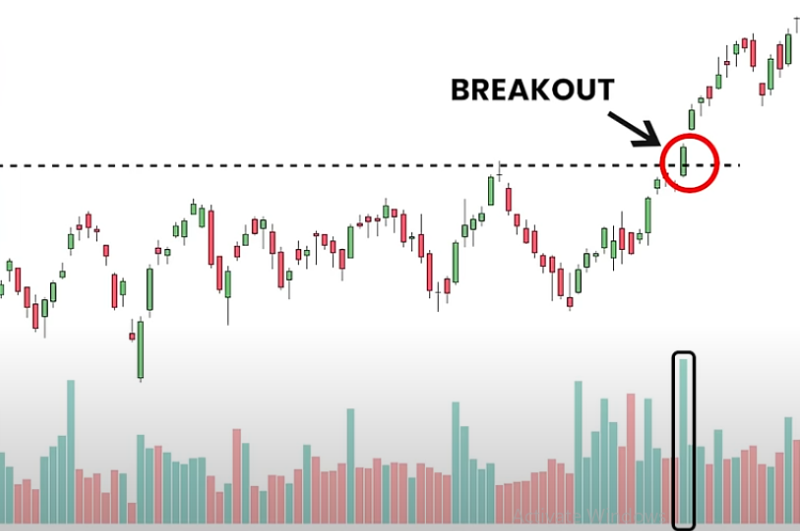
Chart patterns with volume help traders understand whether a price move is strong or weak. Many traders fail because they trade chart patterns without confirming volume. Volume shows real market participation and helps avoid false breakouts.
Chart Patterns are the footprints of “Smart Money.”
Large institutions (banks, hedge funds) cannot buy millions of dollars worth of Bitcoin or Stocks instantly. If they do, the price will skyrocket, and they will lose money. Instead, they have to buy slowly, accumulate over time, and then sell slowly.
This slow process leaves traces on the chart. These traces form shapes—triangles, wedges, heads, and shoulders.
By learning these shapes, you are essentially looking over the shoulder of the biggest traders in the world. You can see where they are buying and where they are planning to sell.
Key points:
Volume confirms price movement
Low volume = weak signal
High volume = strong signal
Why Are Chart Patterns Important?
Have you ever spotted a perfect “Head and Shoulders” pattern? You waited patiently for the neckline to break. You placed your trade… and then, suddenly, the price reversed and smashed your Stop Loss.
It’s frustrating. You did everything right. You followed the pattern rules. So, why did you lose?
You missed the secret ingredient: Volume.
Trading without volume is like driving a car at night with your headlights turned off. You might see the road (the pattern), but you don’t see the truck coming toward you (the momentum).
At ExpertJourny, we teach that a Chart Pattern tells you what might happen, but Volume tells you if it will happen.
In this guide, we will explain why volume is the “truth-teller” of the market and how to use it to filter out fake signals.
Many beginners rely solely on indicators like RSI or MACD. While indicators are useful, they are “lagging”—they tell you what happened in the past.
Chart patterns, on the other hand, are leading. They show you what is happening right now.
Predictive Power:
Patterns tell you where the price is likely to go next.
Risk Management:
Patterns give you clear levels for Stop Loss and Take Profit.
Psychology:
Understanding patterns helps you understand market sentiment. Are traders fearful? Are they greedy?
The Two Main Categories of Patterns
Before we dive into specific shapes, you need to know that there are only two types of patterns:
Reversal Patterns
These patterns signal that the current trend is tired and about to END. The price will change direction.
Example: Trend was UP, now it will go DOWN.
Continuation Patterns
These patterns are like a “red light” turning green. They act as a pause. The trend takes a rest, and then continues in the same direction.
Example: Trend was UP, it pauses, then goes UP again.
Why Volume Is Important for Chart Patterns
Before we talk about patterns, let’s define the basics.
Volume is simply the number of shares, contracts, or coins traded during a specific time period.
High Volume: Many people are trading. High activity.
Low Volume: Few people are trading. Low activity Think of the market as a car.
Price is the movement of the car.
Volume is the gasoline in the tank.
Can a car move without gas? Maybe a little bit, downhill. But can it drive up a steep hill (a trend) without gas? No.
If you see a price going up, but Volume is decreasing, the car is running out of fuel. It will eventually stop and roll back down.
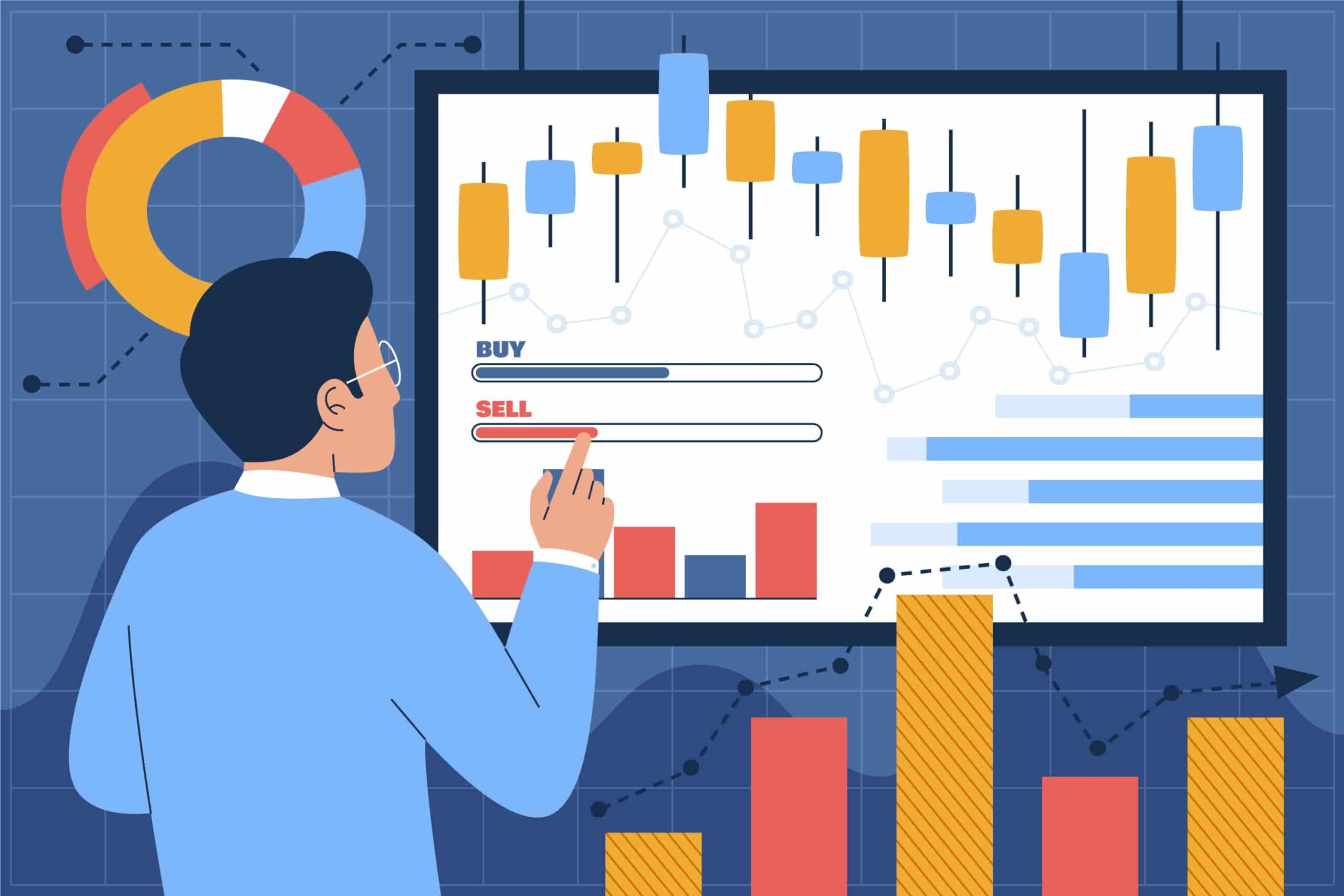
The Golden Rule: Volume Precedes Price
There is a famous saying in technical analysis: “Volume precedes Price.”
This means big institutions (Smart Money) cannot hide their tracks. Before a massive trend starts, they have to buy millions of dollars worth of assets. They cannot do this quietly. This buying creates Volume spikes.
When you see a Chart Pattern, you are looking for a direction. Volume confirms that the “Big Players” are actually moving in that direction.
The Logic:
Volume: “No. Nobody is buying. This is a fake move.” -> INVALID TRADE.
Pattern: “I think the price will go UP.”
Volume: “Yes, I agree. There are tons of buyers backing this up.” -> VALID TRADE.
Chart patterns alone are incomplete. Volume confirmation makes patterns reliable and increases winning probability.
Benefits of using volume:
Volume represents the total number of trades during a specific time period. It works as fuel for price movement. Without enough volume, chart patterns often fail.
Important facts:
High volume shows strong buyer/seller interest
Low volume shows market uncertainty
Volume improves trade accuracy
Best Chart Patterns with Volume
If you have been trading for a while, you know that seeing a pattern is only half the battle. The real challenge is knowing which pattern is trustworthy and which one is a trap set by the market to trick you.
This is where Volume becomes your best friend.
While a chart pattern draws a shape on your screen, Volume provides the energy behind that shape. A pattern without volume is like a car without an engine; it might look good, but it isn’t going anywhere. When you combine the Best Chart Patterns with Volume, you create a powerful trading strategy that filters out weak trades and focuses only on high-probability setups.
In this guide, we will explore the most reliable chart patterns and exactly how volume should behave when they form. By the end, you will know exactly what a “healthy” pattern looks like.
Volume behaves differently in each chart pattern. Understanding this behavior helps traders enter high-probability trades.
Common patterns to trade with volume:
Head and Shoulders (volume rises at neckline break)
Double Top / Double Bottom (low volume at second top/bottom)
Triangle patterns (volume contracts, then expands on breakout)
Flag and Pennant (high volume in impulse, low in consolidation)
How to Trade Chart Patterns with Volume
The best results come from patience and confirmation. Always wait for volume to support the breakout before entering a trade
Trading is often compared to driving a car. You can see the road (the chart pattern), and you can steer the wheel (your trade entry), but if you don’t have a fuel gauge (volume), you are driving blindly. Many beginners spot a perfect “Head and Shoulders” or a clean “Bull Flag.” They enter the trade with high expectations, only to watch the market reverse instantly and stop them out. The frustration usually comes from missing one critical piece of the puzzle: Volume. At ExpertJourny, we believe that a chart pattern is only a map, but volume is the engine that moves the price. In this guide, we will teach you exactly how to trade chart patterns with volume, turning your setups from simple guesses into high-probability trades..
Conclusion
Reading chart patterns is one of the most important skills for any trader. When you learn how price moves, how patterns form, and how the market reacts, your decisions become clearer and more confident. Chart patterns do not predict the future perfectly, but they help you understand market behavior in a simple and visual way. With consistent practice, patient observation, and proper risk management, chart patterns can guide you toward smarter entries and safer trades. The more you study them, the stronger your trading foundation becomes.
FAQ,s
1. What is the volume candlestick pattern?
A volume candlestick pattern analyzes price candles together with volume to confirm market strength, breakouts, or reversals.
2. How to find the volume of a candle?
You can see a candle’s volume using the Volume indicator, which shows the number of trades below each candlestick.
3. What are the 42 chart patterns?
The 42 chart patterns are a complete list of trend continuation, reversal, and bilateral patterns used in technical analysis.
4. What is the 3 candle rule?
The 3 candle rule states that a trend or breakout is confirmed when three consecutive candles close in the same direction.
Discalimer: This content is for educational purposes only and is not financial advice. Always do your own research before trading.
