

The Essence of Market Rhythm
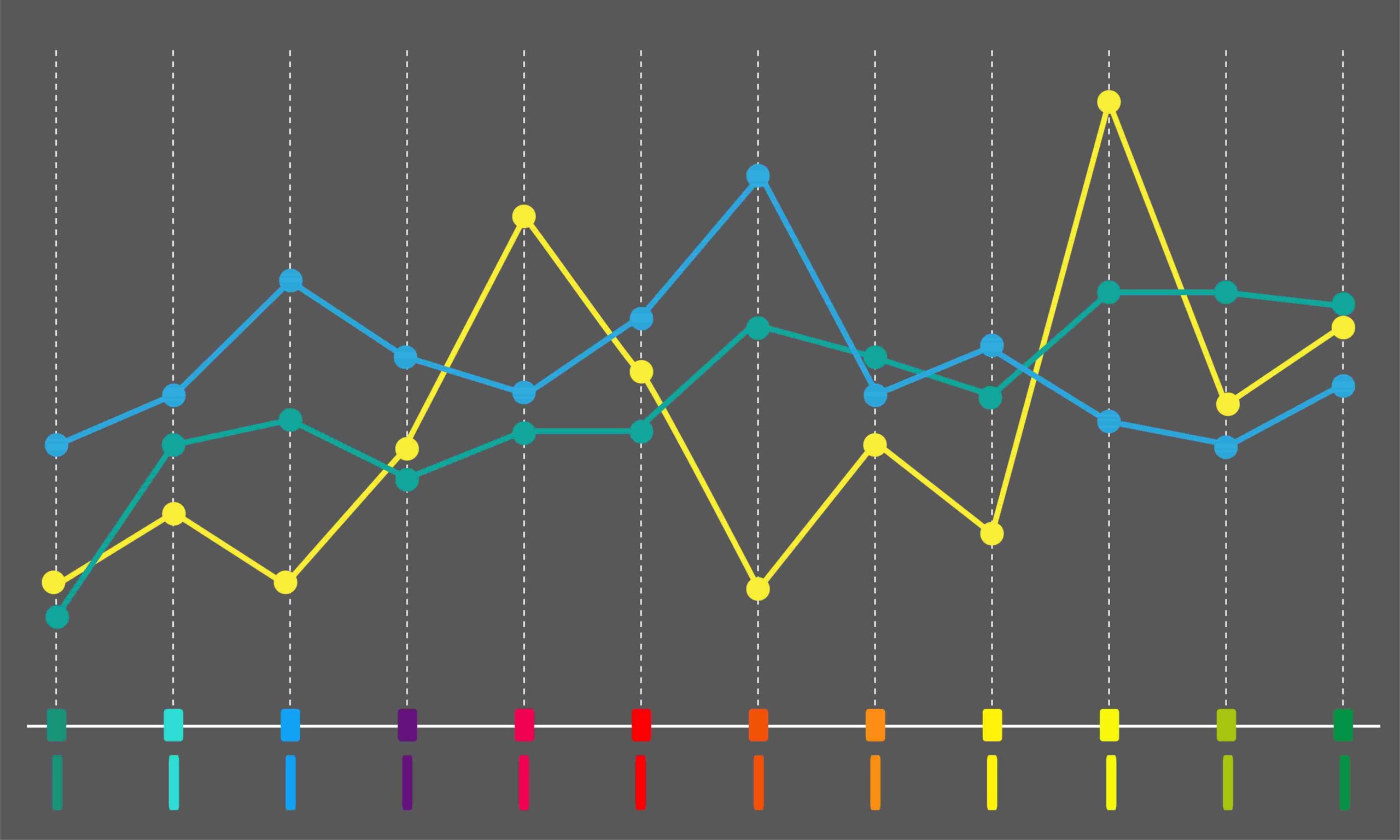
Markets often appear chaotic, unpredictable, and random, especially to new traders. Candles rise, fall, pause, and reverse in ways that seem confusing. Yet beneath this apparent chaos lies a structured pattern driven by human behavior, collective psychology, and order flow. This natural flow is what we call Market Rhythm Psychology. It is the heartbeat of the market, the pulse that reveals how buyers and sellers interact over time. Understanding this rhythm allows traders to interpret price movement more clearly, make informed decisions, and anticipate market behavior before it happens.
At its core, market rhythm is about recognizing that price moves in cycles. These cycles are created by human emotions like fear, greed, hesitation, and confidence. Each candle is a representation of these emotions, and together they form waves of momentum, pauses, and reversals. The market behaves like a living organism, constantly reacting to stimuli. Traders who master this rhythm can read the intentions of the market rather than reacting blindly to its movements.
Market Pulse and How Price Breathes
The first step in understanding market rhythm is recognizing the Market Pulse. The market has moments of expansion, where price moves rapidly and decisively, followed by periods of contraction, where price consolidates and pauses. Observing the market pulse gives traders a sense of when the market is gathering energy for a big move or when it is resting before continuing. Ignoring these pulses can lead to premature entries, emotional trades, and losses.
Market Pulse is closely linked with momentum. When the market is strong, candles tend to move smoothly in one direction, reflecting the collective intent of traders. When the pulse slows down, hesitation and indecision dominate. By observing these shifts in Market Pulse, traders can align themselves with the market’s natural rhythm, waiting for high-probability opportunities instead of chasing low-quality setups.
Price Imbalance and Its Role in Market Movements
A crucial part of Market Rhythm Psychology is understanding Price Imbalance. Price Imbalance occurs when the market moves quickly, leaving gaps or unfilled orders behind. These areas act as magnets, attracting price back in the future as the market seeks to balance itself. Traders who understand Price Imbalance can anticipate where price is likely to react, giving them a strategic edge over others who rely solely on indicators or guesswork.
Price Imbalance is also a reflection of Market Intent. Large institutional players create these imbalances when executing orders, which the retail market often misinterprets. When price returns to these zones, it usually continues in the original direction, revealing the intentions of those controlling larger volumes. Recognizing and respecting these zones allows traders to position themselves with precision, improving accuracy and confidence.

Trend Velocity and the Strength of Movements
Another critical component of market rhythm is Trend Velocity, which measures the speed and strength of a trend. Strong trends move decisively with minimal hesitation, signaling dominant buyer or seller control. Weak trends move slowly, showing exhaustion or indecision. By observing Trend Velocity, traders can avoid entering late or unreliable moves. Aligning with the velocity of the market ensures that trades have better probability of success.
Trend Velocity also interacts with chart behavior. Fast-moving trends often break through weak support and resistance zones, while slow-moving trends tend to stall at these levels. Recognizing the difference allows traders to differentiate between a genuine breakout and a false attempt, protecting their capital from unpredictable reversals.
Momentum Flow and High-Probability Entries
Momentum Flow refers to the internal force behind price movement. It is not about speed alone but about the energy driving the market in a specific direction. Strong Momentum Flow indicates that price is likely to continue, whereas fading momentum suggests hesitation or reversal. Traders who can interpret Momentum Flow are able to identify optimal entry and exit points without relying excessively on indicators.
Observing Momentum Flow also reduces the risk of falling for fake breakouts. Many moves appear strong initially but lack internal energy and quickly reverse. By focusing on Momentum Flow, traders can differentiate between high-probability moves and temporary spikes, enhancing overall trading efficiency.
Pattern Energy and Chart Psychology
Every chart forms patterns, but not every pattern has the same reliability. Pattern Energy reflects how powerful a chart formation truly is, based on the surrounding market behavior, momentum, and intent. Strong patterns are supported by clean price action, high Trend Velocity, and consistent Momentum Flow. Weak patterns, on the other hand, show erratic movements and indecision, signaling that the market is not fully aligned.
Understanding Pattern Energy helps traders filter out low-quality setups. Instead of entering trades based on appearance alone, traders can evaluate the underlying energy behind patterns. This approach builds confidence and reduces emotional decision-making, making it a key aspect of Market Rhythm Psychology.
Market Shift and Volatility Pockets
Markets often undergo sudden shifts known as Market Shifts, where price moves from one phase of the rhythm to another. These shifts are often accompanied by Volatility Pockets, areas of sudden instability caused by spikes in trading activity or liquidity grabs. While they may seem chaotic, these pockets contain critical information about the next market move.
Recognizing Volatility Pockets allows traders to anticipate upcoming trends or reversals. By understanding the rhythm leading into these pockets, traders can prepare for potential breakouts or retracements without being caught off guard. This knowledge also supports risk management, as it highlights areas where price may act unpredictably.
Price Story and Market Intent
Every candle on the chart contributes to a larger narrative known as the Price Story. This story reflects the market’s intentions, whether it’s testing a level, capturing liquidity, or preparing for a directional move. Understanding Market Intent is essential for interpreting this story correctly. Traders who focus on Price Story rather than random movements develop a more intuitive understanding of the market.
Market Intent shows why price moves as it does. It reveals the actions of large players and how retail traders collectively influence market dynamics. By reading these signs, traders can enter trades with confidence, avoid common traps, and align themselves with the natural flow of price rather than fighting against it.
Mastering Chart Behavior for Smarter Decisions
Chart Behavior is the observable reaction of price around key zones. Some zones trigger hesitation, some trigger strong moves, and others act as continuation areas. When traders understand Chart Behavior, they no longer rely on guesswork. Instead, they can predict how price is likely to act based on rhythm and market psychology. Mastering Chart Behavior also enhances risk management, as traders can place stops and targets more logically, respecting the natural flow of the market.
Integrating Market Rhythm Psychology Into Daily Trading
Applying Market Rhythm Psychology in daily trading requires patience, observation, and practice. Traders need to learn to read Market Pulse, identify Price Imbalances, evaluate Trend Velocity, understand Momentum Flow, gauge Pattern Energy, and interpret Market Intent. These concepts combined create a framework where trading is no longer a guessing game but a methodical approach based on observable market behavior.
Traders who integrate these principles find that their entries are more precise, stops are more effective, and trades are executed with higher confidence. Over time, this approach builds a disciplined trading mindset that reduces emotional trading, improves consistency, and aligns with professional standards.
Conclusion
Market Rhythm Psychology transforms the way traders see price. Instead of reacting to random movements, traders learn to read the natural rhythm of the market. Understanding Market Pulse, Price Imbalance, Trend Velocity, Momentum Flow, Pattern Energy, Market Intent, Volatility Pockets, Chart Behavior, and Price Story gives traders an edge that goes beyond indicators and traditional strategies. By mastering these elements, trading becomes less stressful, more precise, and more aligned with the way the market truly operates.
FQA,S
1. How does price move in markets?
Price moves in markets based on the interaction of buyers and sellers, influenced by supply, demand, and trader psychology.
2. What is the 2% rule in swing trading?
The 2% rule limits risk on a single trade to 2% of your total trading capital to protect against large losses.
3. What is the 84% rule in trading?
The 84% rule suggests that 84% of traders fail or exit trades too early, emphasizing the importance of patience and discipline.
4. What is the 70-30 rule in trading?
The 70-30 rule means 70% of trading success comes from mindset and discipline, while 30% comes from strategy and analysis.
Disclaimer: “This content is for educational and informational purposes only and does not constitute financial, investment, or trading advice
