

Why Bollinger Bands Matter in Trading
Trading financial markets can be challenging, especially for beginners. Prices move quickly, volatility changes suddenly, and many traders struggle to identify whether the market is trending or moving sideways. Without a reliable technical tool, traders often make emotional decisions, which can lead to unnecessary losses.
Bollinger Bands are one of the most powerful and widely used technical indicators in trading. Millions of traders around the world rely on this indicator to better understand price behavior, market volatility, and potential trade opportunities. Personally, I use Bollinger Bands regularly in my trading because they help me read charts more clearly and make more structured decisions.
Bollinger Bands
especially useful during periods of market consolidation and potential reversals. When used correctly, they can help traders identify high-probability setups rather than guessing market direction. However, no indicator works perfectly on its own.
Many traders also use additional tools such as:
Moving Averages
Fibonacci Retracement
Smart Money Concept (SMC)
When indicators are combined properly and supported by price action, they can significantly improve trade confirmation and accuracy. Using multiple confirmations is far more effective than relying on a single indicator.
This is where Bollinger Bands become extremely useful.
At ExpertJourny, we believe that learning simple yet powerful indicators like Bollinger Bands can help traders improve consistency, discipline, and overall decision-making.
Bollinger Bands are one of the most reliable and widely used indicators in technical analysis. They help traders understand market volatility, price extremes, and potential trade opportunities. At ExpertJourny, we believe that learning powerful yet simple tools like Bollinger Bands can significantly improve trading consistency and decision-making.
This beginner-friendly guide will explain:
What Bollinger Bands are
How they work
Their advantages and limitations
Popular Bollinger Bands trading strategies
How beginners can use them safely in Forex, Crypto, and Stocks
What Are Bolinger Bands?
Bollinger Bands are a technical indicator developed by John Bolinger, an American author and technical analyst. The indicator is designed to measure price volatility and identify whether an asset is trading at relatively high or low levels.
Bollinger Bands consist of three lines:
A Simple Moving Average (SMA), usually set to 20 periods
The middle band + two standard deviations
The middle band − two standard deviations
Together, these bands form a channel that expands and contracts based on market volatility.
How Bollinger Bands Work
The key idea behind Bollinger Bands is volatility.
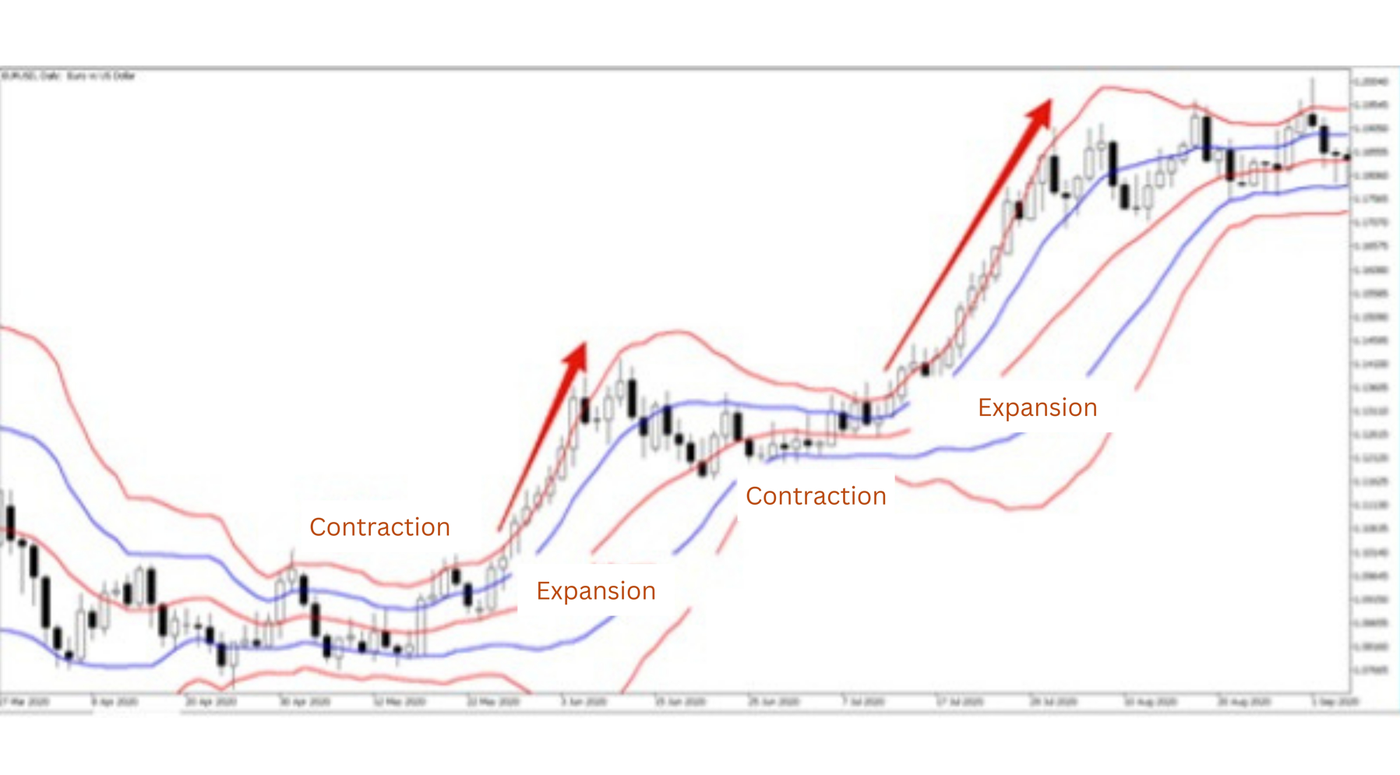
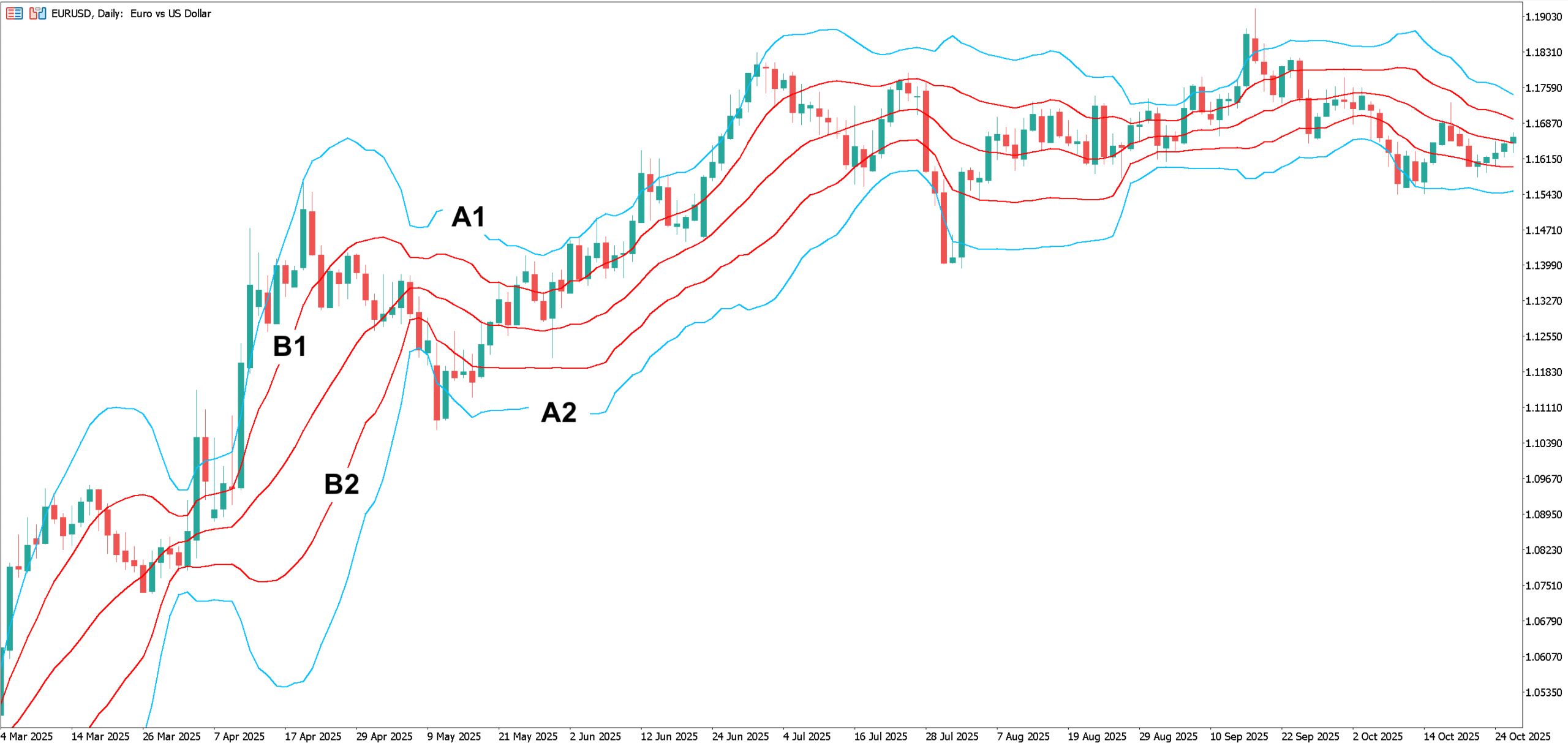
When the market is volatile → bands widen
When the market is calm → bands narrow
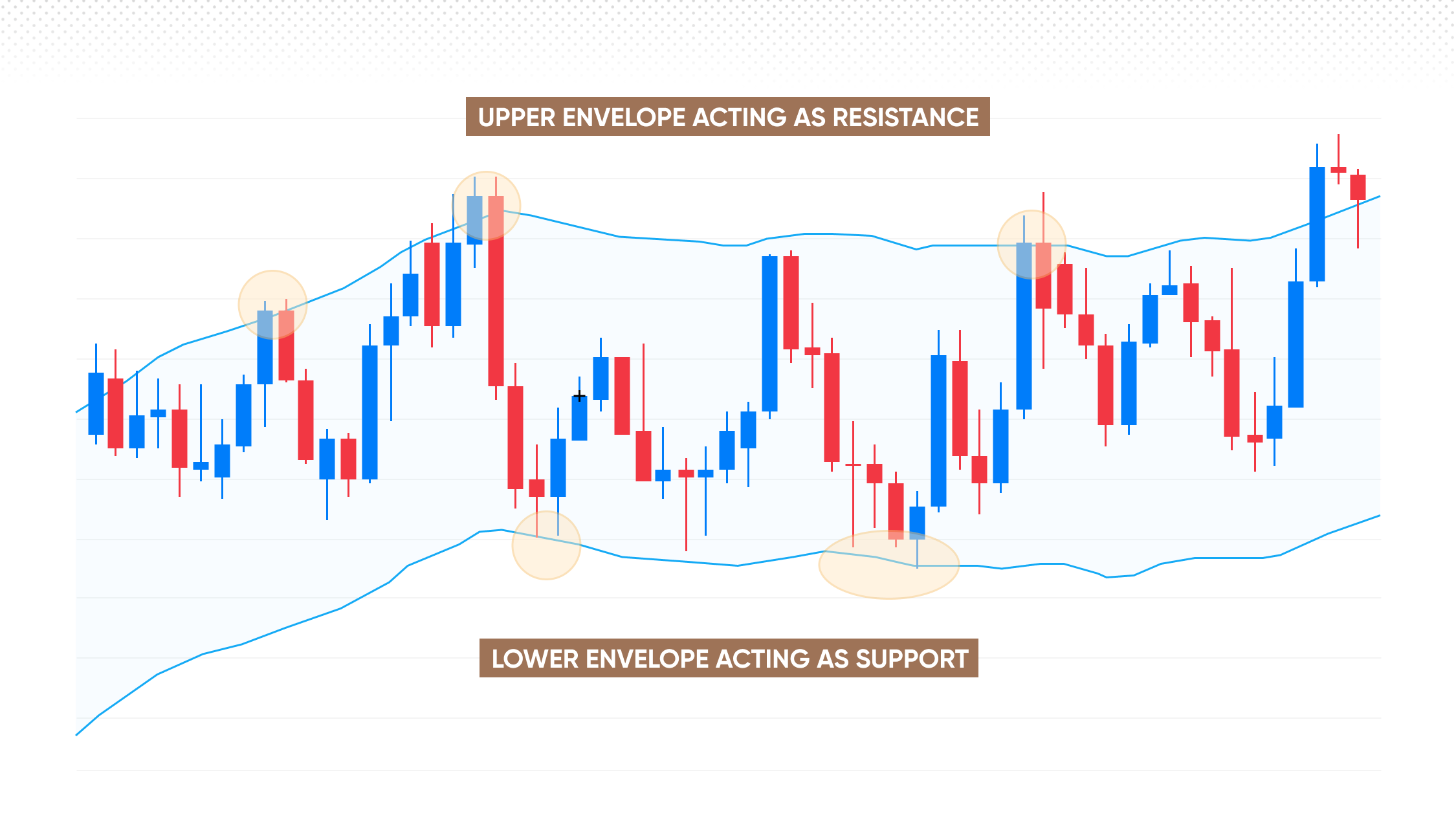
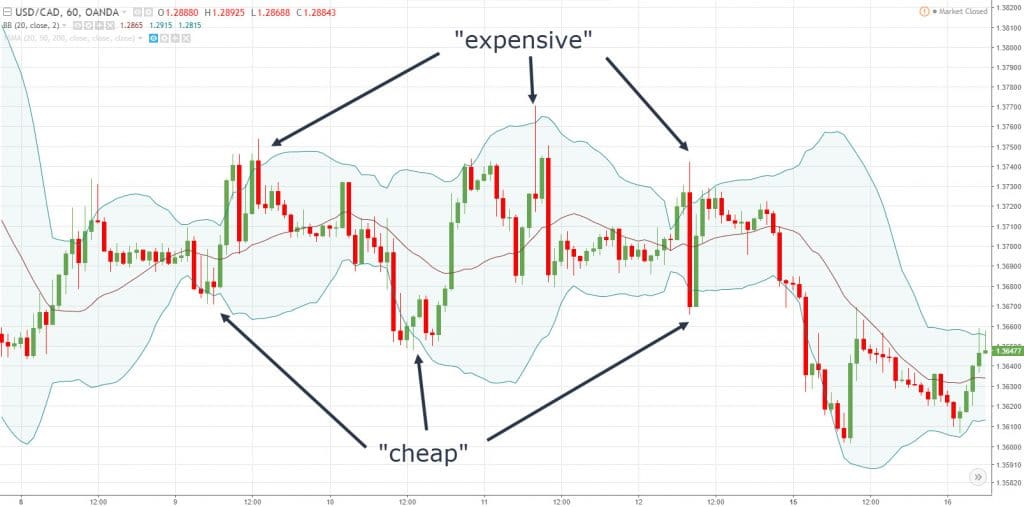
Price tends to stay within the bands most of the time. When price moves close to the upper band, it may indicate that the asset is becoming overbought. When price approaches the lower band, it may suggest oversold conditions.
However, Bollinger Bands do not predict price direction. Instead, they provide context, allowing traders to make informed decisions based on market conditions.
Why Beginners Should Use Bollinger Bands
Bollinger Bands are ideal for beginners because they are:
Easy to understand visually
Effective in both trending and ranging markets
Useful for identifying volatility changes
Flexible and adaptable to different strategies
Unlike many indicators that rely on complex calculations, Bollinger Bands give traders a clear picture of market behavior at a glance.
Clear View of Market Volatility
Bollinger Bands instantly show whether the market is volatile or quiet. Expanding bands indicate increased volatility, while contracting bands suggest consolidation.
Identifying Overbought and Oversold Levels
When price touches or exceeds the upper band, it may signal overbought conditions. When price touches the lower band, it may indicate oversold levels.
3. Works in Different Market Conditions
Bollinger Bands work well in different market conditions, whether the market is trending or moving sideways. During a strong uptrend, the bands expand upward, showing that the price has momentum. In a downtrend, the bands widen downward as the selling pressure increases. When the market is ranging, the Bollinger Bands become tight (squeeze), and the price usually moves between the upper and lower bands. This makes it easier for traders to understand market behavior in any situation,Bollinger Bands can be used in.
Sideways markets
Trending markets
Breakout conditions
4. Combines Well with Other Indicators
Bollinger Bands work even better when combined with other technical indicators. Many traders use them with RSI, MACD, or Moving Averages to confirm signals and avoid false breakouts. For example, if the price touches the lower band and RSI is also oversold, it gives a stronger confirmation for a potential bounce. Using Bollinger Bands together with other indicators helps traders make more accurate decisions and understand the market more clearly.
Bollinger Bands work best when combined with indicators like
Limitations of Bollinger Bands
Despite their usefulness, Bollinger Bands are not perfect.
1. False Signals in Strong Trends
In strong uptrends or downtrends, price may continue riding the bands, which can lead to early exits or incorrect counter-trend trades.
Lagging Nature
Since Bollinger Bands are based on a moving average, they react to price changes after they occur.
Different Interpretations
The same Bollinger Band signal can mean different things depending on market conditions. This is why context and confirmation are critical.
Bollinger Bands Range Trading Strategy
The Bollinger Bands range trading strategy works best when the market is moving sideways. In a ranging market, the price often bounces between the upper and lower bands, creating easy buy and sell opportunities. When the price touches the lower band, it usually signals that the market is oversold, and traders look for buying opportunities. When the price reaches the upper band, it suggests the market is overbought, so traders prepare for a possible sell setup.
This strategy is simple because you only follow the natural movement of price inside the bands. It helps traders take low-risk entries, avoid chasing trends, and make steady profits in calm market conditions.
This strategy works best in sideways or ranging markets.
Concept:
Price tends to move between the upper and lower bands and revert toward the middle band.
Buy Signal:
Price touches or slightly breaks below the lower band
Price closes back inside the bands
Sell Signal:
Price touches or breaks above the upper band
Price closes back inside the bands
Take Profit:
At the middle band
Or at the opposite band
This strategy assumes that the market will continue ranging, so it should be avoided during strong trends.
Bollinger Bands Squeeze (Pinch) Strategy
The Bollinger Bands Squeeze is one of the most powerful volatility-based strategies.
Concept:
When bands tighten significantly, it signals low volatility, which often precedes a strong breakout.
Trading Approach:
Wait for the bands to contract tightly
Watch for a breakout above the upper band or below the lower band
Enter trade in the breakout direction
Confirmation:
Volume increase
RSI or MACD confirmation
This strategy does not predict direction — it prepares traders for big moves.
3. Bollinger Bands Trend Reversal Strategy
This strategy is most effective when combined with chart patterns.
In an Uptrend:
Price makes a high outside the upper band
Then makes another high inside the upper band
This indicates weakening momentum
Potential sell signal
In a Downtrend:
Price makes a low below the lower band
Then makes another low inside the lower band
Potential buy signal
Patterns like double tops, double bottoms, or head and shoulders strengthen this strategy.
How to Use Bollinger Bands with Other Indicators
Bollinger Bands should not be used alone. Combine them with:
RSI → Confirms overbought or oversold conditions
MACD → Confirms trend strength
Candlestick patterns → Confirms entry timing
This combination reduces false signals and improves accuracy.
Risk Management with Bollinger Bands
No strategy works without risk management.
Always:
Use stop-loss orders
Risk only a small percentage of capital
Avoid trading during high-impact news
Practice on a demo account first
At ExpertJourny, we emphasize discipline and capital protection over aggressive trading.
Are Bollinger Bands Suitable for Forex, Crypto, and Stocks?
Yes. Bollinger Bands work effectively across:
Forex markets
Cryptocurrency markets
Stock and index trading
However, settings and strategies should be adjusted based on volatility and timeframe.
Should You Use Bollinger Bands?
Bollinger Bands are a powerful and flexible tool that every trader should understand. They do not guarantee profits, but when used correctly, they can greatly improve market awareness and trade timing.
For beginners, Bollinger Bands offer:
Clear volatility insight
Structured trading opportunities
Reduced emotional decision-making
With practice and proper confirmation, Bollinger Bands can become a valuable part of your trading system.
FAQ,s
Q1: Are Bollinger Bands good for beginners?
Yes, Bollinger Bands are beginner-friendly because they visually show market volatility, price extremes, and potential trade zones.
Q2: Can Bollinger Bands be used alone?
They can be used alone, but better results are achieved when combined with RSI, MACD, or price action for confirmation.
Q3: Which market is best for Bollinger Bands?
Bollinger Bands work well in Forex, Crypto, Stocks, and Indices, but settings should be adjusted based on volatility.
Q4: Do Bollinger Bands guarantee profit?
No indicator guarantees profit. Bollinger Bands help improve decision-making when used with proper risk management.
Q5: What timeframe works best for Bollinger Bands?
They work on all timeframes, but beginners should start with higher timeframes like 1H or 4H for clearer signals.
Disclaimer: This content is for educational purposes only and does not constitute financial advice. Trading involves risk, and you should consult a professional before making any investment decisions.
