
Are you scrolling through your crypto exchange and seeing terms like “10x,” “20x,” or “Margin”? Have you ever wondered how some traders make huge profits even when the market only moves a little bit?
But be warned: Margin trading is a double-edged sword. It is the fastest way to grow your $100 into $1,000, but it is also the fastest way to lose your entire $100 in seconds.
In this guide, we will explain exactly what margin trading is, how it works, the dangers of liquidation, and how you can stay safe. We will keep it simple, practical, and easy to understand
margin trading
Margin trading in futures allows traders to open large futures positions by paying only a small portion of the total trade value, known as margin. It helps increase profit potential but also increases risk, which is why beginners must understand it clearly before trading
Think of it like buying a house with a mortgage from a bank. You might only have $50,000, but the bank lends you the rest so you can buy a $300,000 house. You own the house, but you owe the bank money.
In margin trading:
You put in a small amount of your own money (this is called Collateral or Margin).
The exchange (the bank) lends you the rest.
You use that big pile of money to make a trade.
If the trade goes well, you make a profit on the big amount, not just your small amount. Then you pay the exchange back, and you keep the extra profit.
Margin trading means you do not pay the full value of a futures contract. Instead, you deposit a small amount (margin), and the broker provides the remaining exposure using leverage.
How Does Margin Trading Work?
Margin trading allows you to trade with more money than you actually have in your account. You borrow extra funds from the exchange, which increases the size of your trade and gives you the chance to make bigger profits—but it also increases your risk. When you open a margin trade, you put in a small amount of your own money called “margin,” and the exchange lends you the rest.
If the market moves in your favor, your profits grow quickly. But if the price moves against you, your losses also grow faster than normal. When losses reach a certain level, the exchange may close your trade automatically to protect its loan—this is called liquidation.
In short, margin trading gives traders more power, but it requires discipline, careful risk control, and a clear strategy. Beginners should always start with low leverage and only use money they can afford to lose.
Spot Trading (No Margin)
With $100, you can only buy 0.002 BTC. If Bitcoin price goes up 10% (to $55,000), your 0.002 BTC is now worth $110. Your Total Profit is $10.
Margin Trading (10x Leverage)
Now, let’s say you use 10x Leverage. This means the exchange lends you 9 times your money. So, you are controlling$1,000 worth of Bitcoin with your $100. With $1,000, you can buy 0.02 BTC. If Bitcoin price goes up 10% (to $55,000), your 0.02 BTC is now worth $1,100. You pay back the $900 you borrowed. Your Total Profit is $100. The result: In Spot Trading, a 10% move gave you $10. In Margin Trading, a 10% move gave you $100. You made10x more profit because you used 10x leverage. This is why people love margin trading. It amplifies your gains.
The Dark Side: Liquidation
Now, here is the part they don’t tell you in the ads. Remember we said margin trading is a double-edged sword? If the price goes up, you win big. But if the price goes down, you lose big—very fast. You have $100 and you borrowed $900 (Total $1,000 trade). The exchange needs to protect the money they lent you. They don’t care if you lose your $100, but they don’t want to lose their $900. So, they set a “Limit.” If your total value drops to a point where only the exchange’s money is left, the computer automatically sells your assets to pay them back.
Simple Example:
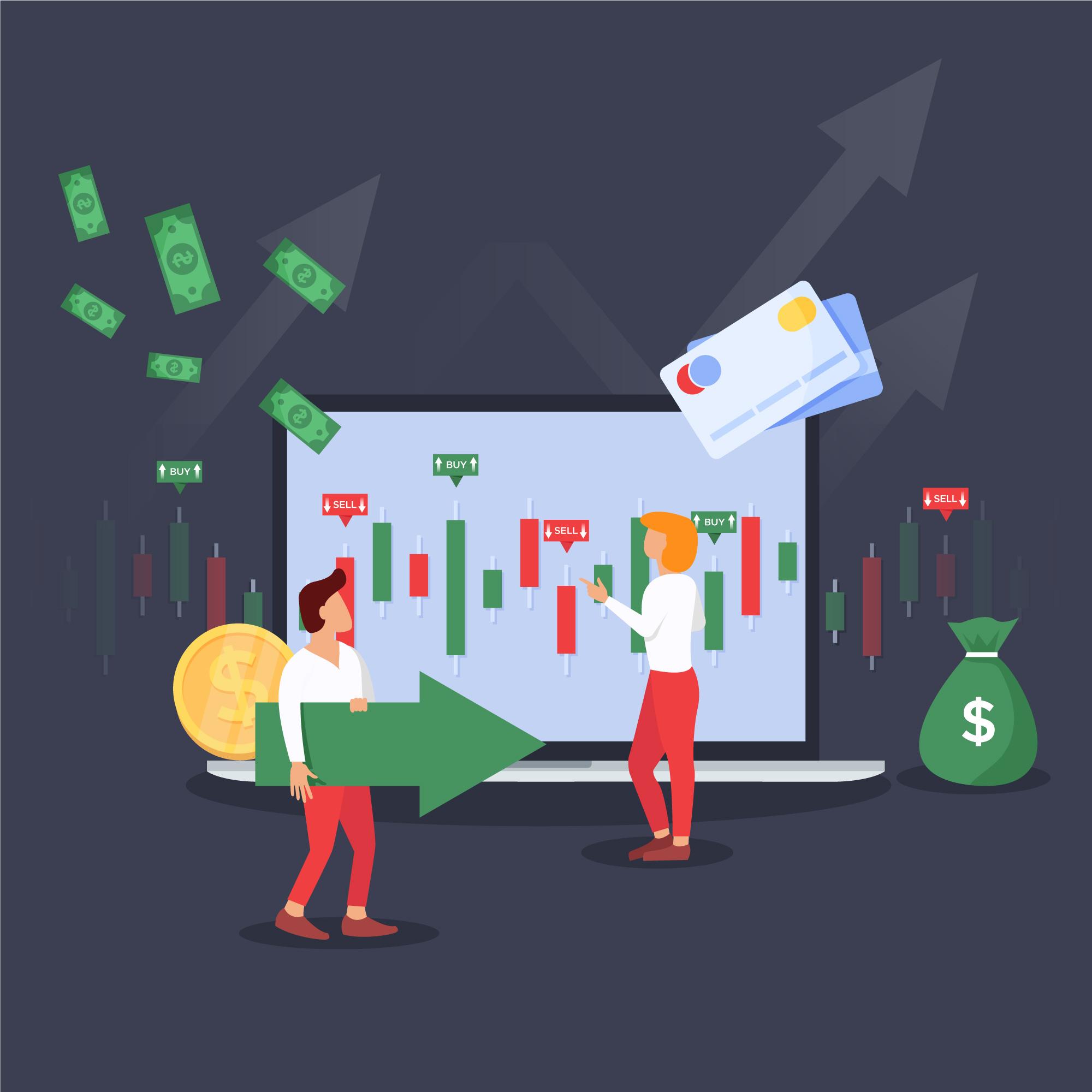
If a futures contract is worth $10,000 and margin required is 10%, you only need $1,000 to open the trade. Both profits and losses are based on $10,000.
Leverage:
In Spot Trading, if Bitcoin drops 10%, you still have your Bitcoin. It might be worth less, but you still have it. In Margin Trading with 10x leverage, a 10% drop makes you lose everything instantly. The exchange takes its money back, and your $100 is gone.
Understanding Leverage
You will see numbers like 5x, 10x, or even 100x on your exchange dashboard. This is called Leverage.
1x Leverage (Spot): You use only your own money. Risk is low, profit is low.
5x Leverage: You multiply your money by 5. A 2% drop in price can wipe you out.
10x Leverage: You multiply your money by 10. A 10% drop wipes you out.
100x Leverage: You multiply your money by 100. A 1% drop wipes you out.
Advice for Beginners: Never go above 5x or 10x. People who use 100x are usually gamblers, not traders. They almost always lose money.
Important Terms You Must Know
Before you try margin trading, you need to speak the language. Here are the key terms:
Margin
This is your own money that you lock up as a deposit. It is your “skin in the game.”
Leverage
The multiplier that increases your buying power. Remember, higher leverage = higher risk.
Liquidation Price
The price point at which the exchange closes your trade because you ran out of money. Always calculate this before opening a trade!
Maintenance Margin
This is the minimum amount of equity you must keep in your account to keep the trade open. If your account balance falls below this, you get a “Margin Call.”
Margin Call
A warning from the exchange saying, “Hey, your funds are getting low! Add more money now or we will close your trade!” If you ignore this, liquidation happens next.
Is Margin Trading Good for Beginners?
A Stop-Loss is an automatic sell order. You tell the exchange: “If the price hits X, sell my trade immediately to stop my losses.” Never enter a margin trade without a Stop-Loss. Ever. It is your seatbelt.
Rule #2: Use Low Leverage
Don’t get greedy. Stick to 2x or 5x. Yes, the profits are smaller than 50x, but you won’t get liquidated by a small sneeze in the market. Surviving is more important than getting rich quick.
Rule #3: Don’t Trade the Whole News
When big news happens (like a government banning crypto or a big company buying Bitcoin), the market moves crazy fast. During these times, leverage gets very expensive and dangerous. It is better to sit on the sidelines.
Rule #4: Isolate Your Margin
Many exchanges have two modes: Cross Margin and Isolated Margin.
Cross Margin:
If one trade fails, the exchange takes money from your entire wallet balance to save it. You can lose everything you own.
Isolated Margin:
You only risk the money you put into that specific trade. If that trade hits zero, you lose only that small amount, not your whole wallet.Always choose Isolated Margin
until you are a professional.
Honestly? For most beginners, the answer is NO. Margin trading is like driving a Formula 1 car. It is fast and exciting, but if you don’t know how to drive, you will crash immediately.
You should avoid margin trading if:
You are new to crypto (less than 6 months).
You don’t understand technical analysis (Support/Resistance).
You get emotional when you lose money.
You are trading with money you cannot afford to lose.
You might consider margin trading if:
You have been profitable in Spot Trading for at least a year.
You have a strict strategy and stop-loss plan.
You understand risk management perfectly.
Risk Management: How to Survive
If you still want to try margin trading, you must follow these survival rules. Ignoring them is financial suicide.
Margin trading in futures is risky for beginners. It is better to start with demo trading, use low leverage, and learn risk management first.
FAQ,S
What is the margin in futures trading?
Margin in futures trading is the small amount of money you deposit to open and maintain a futures position.
What does 500% margin mean?
500% margin means you can control a position five times larger than your actual investment using leverage.
Is margin money refundable?
Margin money is refundable after closing a trade, provided there are no losses or fees deducted.
Is margin trading halal?
Most Islamic scholars consider margin trading not halal because it involves interest, leverage, and excessive uncertainty.
Is it okay to trade on margin?
Margin trading is risky and not suitable for beginners because losses can exceed your initial investment.
