

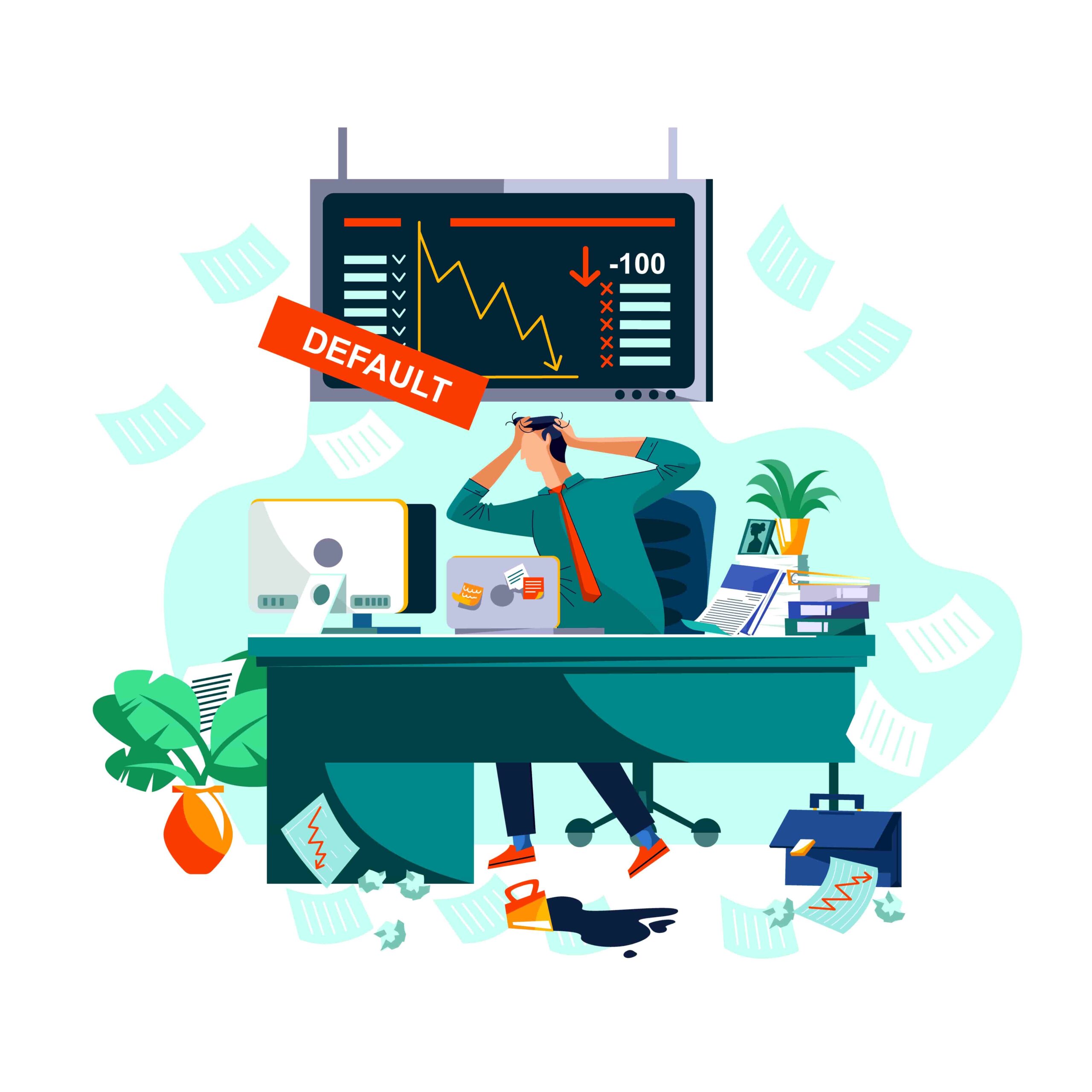
Trading attracts millions of people every year. Forex, stocks, and crypto markets promise freedom, flexibility, and financial growth. However, the harsh reality is that nearly mostly of traders lose money and quit within a short period of time.
This does not happen because trading is fake or impossible. It happens because most traders enter the market unprepared, emotionally driven, and without proper risk control.
In this complete guide, you will learn why most traders fail, what mistakes destroy trading accounts, and how you can avoid becoming part of the losing majority.
Trading Without Proper Education
One of the most seen and biggest reasons why traders lose money is lack of education.
Many beginners enter trading thinking it’s an easy way to earn money. They watch a few YouTube videos, follow social media signals, or copy trades from others. Therefore, trading without proper education is the main reason why most traders lose money.
In this guide, you’ll learn why education is difficults for the beginners.
They jump into live trading without learning:
Trading without knowledge is like gambling. The market always punishes ignorance.
Solution:
Before risking real money, learn trading step by step. Start with a demo account and master one trading style before moving forward.

.
why no risk management destroys trading accounts, common mistakes traders make, and how you can build a safe and consistent trading strategy.
Emotional Trading and Psychology Problems
One of the biggest reasons traders fail is not strategy, indicators, or market conditions — it is the emotional trading problem.
Fear, greed, impatience, and overconfidence silently damage trading decisions and eventually destroy trading accounts.
Many traders know technical analysis, but very few know how to control their emotions. In this article, you will learn what emotional trading is, why it happens, common emotional mistakes, and how to trade with discipline like a professtional
working.When emotions enter trading, discipline leave
Overtrading Without a Clear Plan
Many beginners believe that trading more means earning more. This mindset leads to overtrading, which causes unnecessary losses.
Over trading without a plan is one of the most common and dangerous mistakes traders make. Many beginners believe that taking more trades means making more money. In reality, over trading without a clear plan leads to emotional decisions, poor risk control, and continuous losses.
In this article, you will learn what over trading is, why traders overtrade, how trading without a plan damages accounts, and how to stop this habit before it ruins your trading career.
Signs of overtrading:
Trading without proper setups
Opening trades out of boredom
Trading every market movement
The market does not reward activity; it rewards patience.
Solution:
Wait for high-quality trade setups. One good trade is better than ten bad trades.
Unrealistic Expectations From Trading
Another reason why traders lose money is unrealistic expectations
Unrealistic expectations from trading are one of the biggest reasons why beginners lose money and quit early. Most new traders enter the market with dreams of quick profits, daily income, and financial freedom in a short time. Unfortunately, this mindset often leads to frustration, emotional trading, and blown accounts.
Trading is not easy money. It is a skill that requires time, patience, discipline, and realistic thinking.
Trading will make them rich quickly
Daily profits are guaranteed
Losses mean failure
When reality hits, frustration leads to poor decisions.
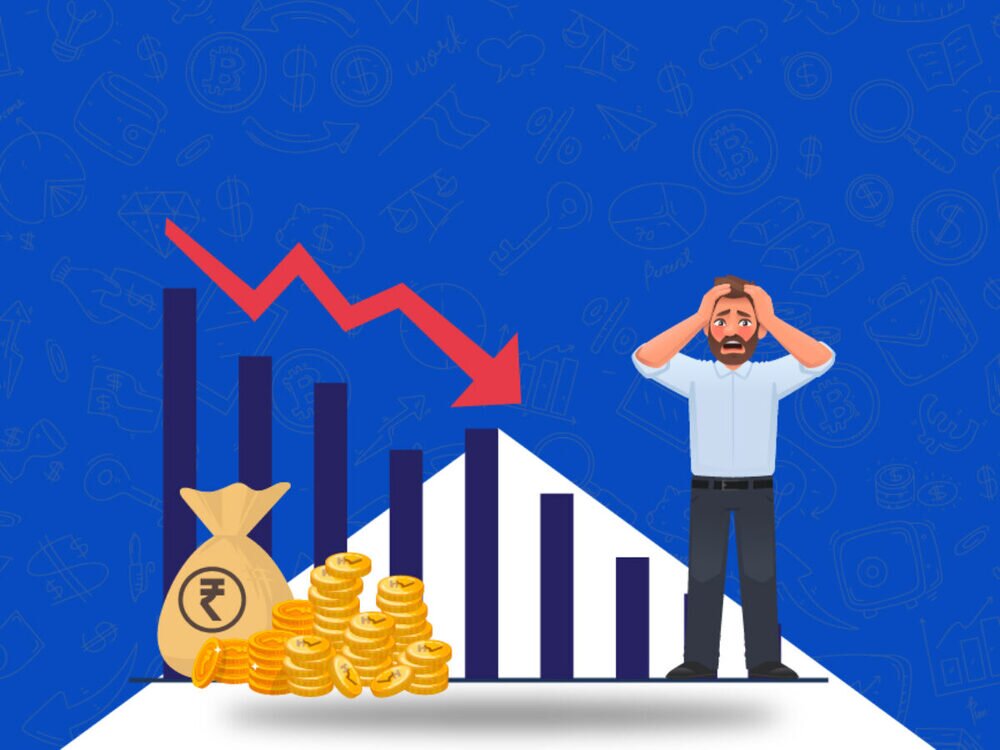
Poor Trading Strategy or No Strategy at All:
Many traders enter the market without a tested trading strategy. They keep changing indicators and systems after every loss.
Poor trading strategies are one of the main reasons traders struggle to make consistent profits. Many traders enter the market with excitement but without a solid plan. They rely on random indicators, copied strategies, or emotions instead of logic. Over time, these poor trading strategies slowly destroy their accounts.
Trading success is not about trading more — it is about trading better.
Lack of Education
Many traders start trading without proper learning and jump directly into real markets.
Impatience
Traders want fast money, so they skip testing and planning.
Emotional Pressure
Fear, greed, and revenge push traders to abandon logic.
Social Media Influence
Fake profits and lifestyle content fake expectations.
Solution
Choose one easy strategy, test it properly, and stick to it. Mastery beats complexity.
Ignoring Trading Psychology:
Even a good strategy fails if psychology is weak. Most traders underestimate the power of mindset.
Ignoring trading psychology is one of the biggest mistakes traders make. Many traders spend months learning strategies, indicators, and technical analysis but completely ignore the mental side of trading. As a result, even good strategies fail when emotions take control.
Trading is not only about charts — it is about how you think and react under pressure.
1. Accept Losses
Losses are part of trading, not a personal failure.
Use Proper Risk Management
Lower risk reduces emotional pressure.
Keep a Trading Journal
Track emotions along with trades.
Ignoring trading psychology is one of the most common reasons traders fail, even when they have a good strategy. When emotions like fear, greed, and frustration are not controlled, traders break their own rules, enter trades impulsively, and ignore risk management. This leads to overtrading, revenge trading, and inconsistent results. Trading success depends not only on technical skills but also on mental discipline. Without emotional control, even the best trading strategy becomes ineffective.
Accept losses as part of trading. Focus on process, not individual results.
Not Using a Trading Journal
Many traders never analyze their mistakes. They repeat the same errors again and again.
Not using trading signals can be costly for traders, especially beginners. Trading signals provide guidance on potential entry and exit points based on market analysis. Ignoring them often leads to missed opportunities, random decisions, and increased emotional trading. While signals shouldn’t replace learning or strategy, using them wisely can help traders make informed decisions, manage risk better, and improve overall consistency in the market.
How You Can Avoid Losing Money in Trading
Here are proven steps to stay ahead of the 90%:
To avoid losing money in trading, always use proper risk management, including setting stop-loss orders and limiting the amount you risk per trade. Follow a clear trading plan, trade only high-probability setups, and avoid emotional decisions like revenge trading or overtrading. Continuously educate yourself, analyze past trades, and maintain discipline. By controlling risk, staying patient, and trading logically, you can protect your capital and increase your chances of long-term success.
Use Risk Management: Always set stop-loss orders and risk only a small percentage of your capital per trade.
Follow a Trading Plan: Trade based on a clear strategy, not emotions.
Avoid Overtrading: Focus on quality trades rather than quantity.
Control Emotions: Don’t let fear, greed, or frustration influence your decisions.
Educate Yourself: Continuously learn and analyze past trades to improve.
Trade High-Probability Setups: Enter trades with a clear edge and favorable risk-reward.
Maintain Discipline: Stick to your rules consistently to protect your capital
.
Trading success is about survival first, profits later
Realistic Trading Mindset (Very Important)
A realistic trading mindset is one of the most crucial factors for long-term success in the markets. Many traders fail not because of poor strategies but because their expectations and mindset are unrealistic. Thinking you can make huge profits instantly or never face losses sets you up for frustration and account blowouts.
Successful traders think differently:
Expect Losses as Part of Trading
Losses are inevitable. Accept them as a learning tool, not as a personal failure.
Focus on Process, Not Profit
Profits follow discipline. Concentrate on following your plan, managing risk, and making consistent decisions.
Be Patient
Trading success takes time. Overnight riches are a myth; steady growth is realistic and sustainable.
Control Emotions
Fear, greed, and overconfidence destroy accounts. Keep emotions in check and stick to your rules.
Continuous Learning
Markets change, so always improve your knowledge and skills. Learn from mistakes and successes alike.
Set Realistic Goals
Avoid aiming for 50% monthly profits. Start with achievable targets and gradually grow your trading account.
If you change your mindset, your results will chang
Conclusion
Understanding why most traders lose money is the first step toward becoming a smarter and more disciplined trader. Many people enter the market with big expectations but without proper knowledge, patience, or a clear plan. They jump into trades based on emotions, follow random tips, or try to get rich quickly — and the market punishes these mistakes. Successful trading requires consistency, risk control, and the ability to stay calm even when the market moves against you. If traders focus on learning, practicing, and building a simple and realistic strategy, they can avoid the common traps that cause most people to fail. In the end, trading is not about winning every trade — it’s ab
The reason mostly traders losing money is simple
Developing a realistic trading mindset is the key to long-term success. Trading is not about quick riches or never losing; it’s about discipline, patience, and continuous learning. By accepting losses, managing risk, and focusing on consistent decision-making, traders can survive market fluctuations and gradually grow their capital. Remember, the market rewards those with a calm, real and disciplined mindset — not those chasing unrealistic profits.
If you treat trading like a professional business and focus on learning, patience, and capital protection, you can join the successful 10%
FAQ,s
1. Why do Mostly of Forex traders lose money?
Most Forex traders lose money because they trade without a plan, ignore risk management, and let emotions control their decisions.
2. What is the Mostly rule in trading?
The 90% rule says that 90% of traders lose 90% of their money within their first 90 days of trading due to poor strategy and lack of knowledge.
3. Why do 95 percent of traders lose money?
95% of traders lose money because they overtrade, chase the market, and fail to follow a consistent strategy.
4. Why do Mostly of people lose money in the stock market?
People lose money in the stock market because they make emotional decisions, buy at the wrong time, and hold losing trades too long.
Disclaimer:This content is for educational purposes only and does not constitute financial advice. Trading involves risk, and you should consult a professional before making any investment decisions.
