

Have you ever bought a stock or cryptocurrency because the price was shooting up, only to watch it crash immediately after you entered? If you have experienced this, you likely fell into a Bull Trap.
In the world of financial markets, understanding market movements is crucial. One of the most dangerous patterns for traders—especially beginners—is the Bull Trap. It looks like a great opportunity to buy, but it is actually a setup for a sudden drop. In this comprehensive guide, we will explore what a bull trap is, how it works, and, most importantly, how you can avoid losing money from it.
What is a Bull Trap?
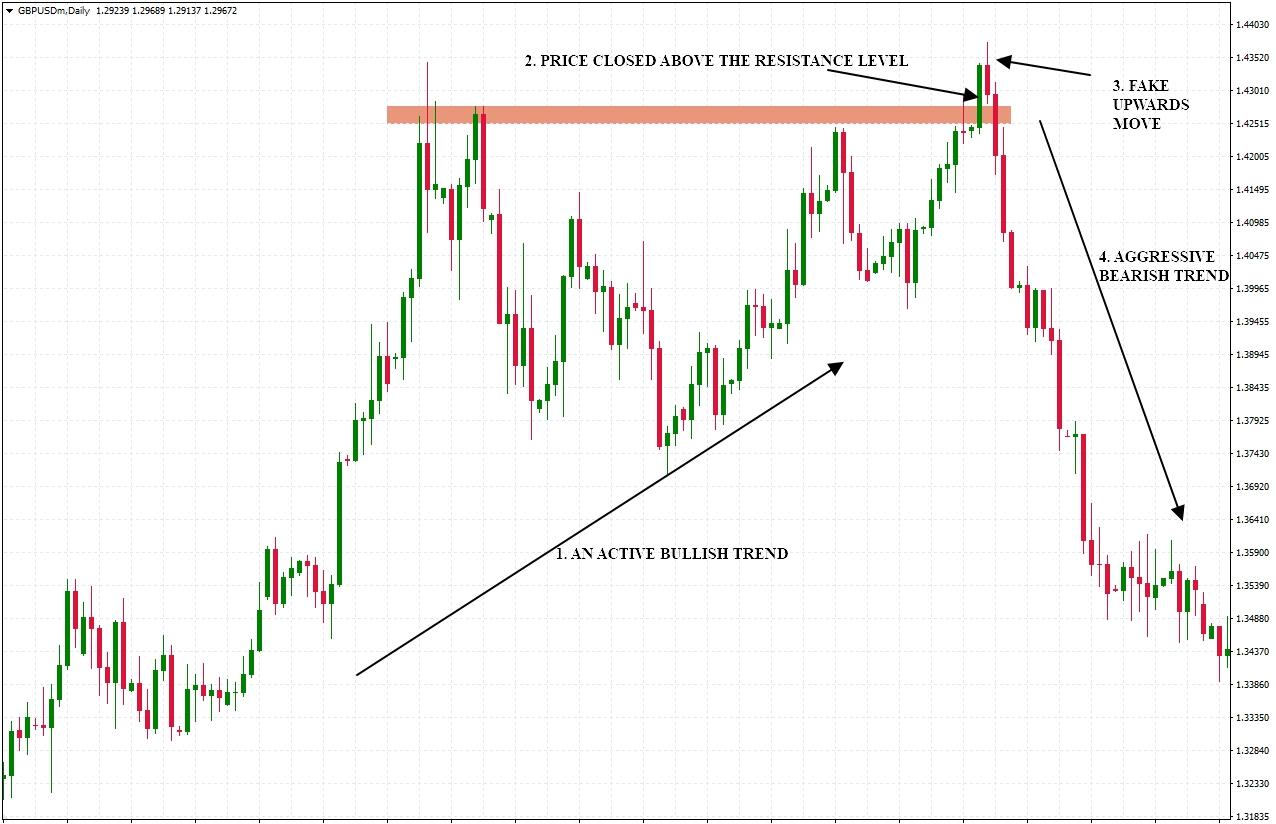
A Bull Trap is a false signal that suggests the price of an asset is breaking above a resistance level or a downtrend, signaling that it is time to buy. However, the price fails to sustain this upward movement and quickly reverses, trapping buyers who entered long positions at high prices.
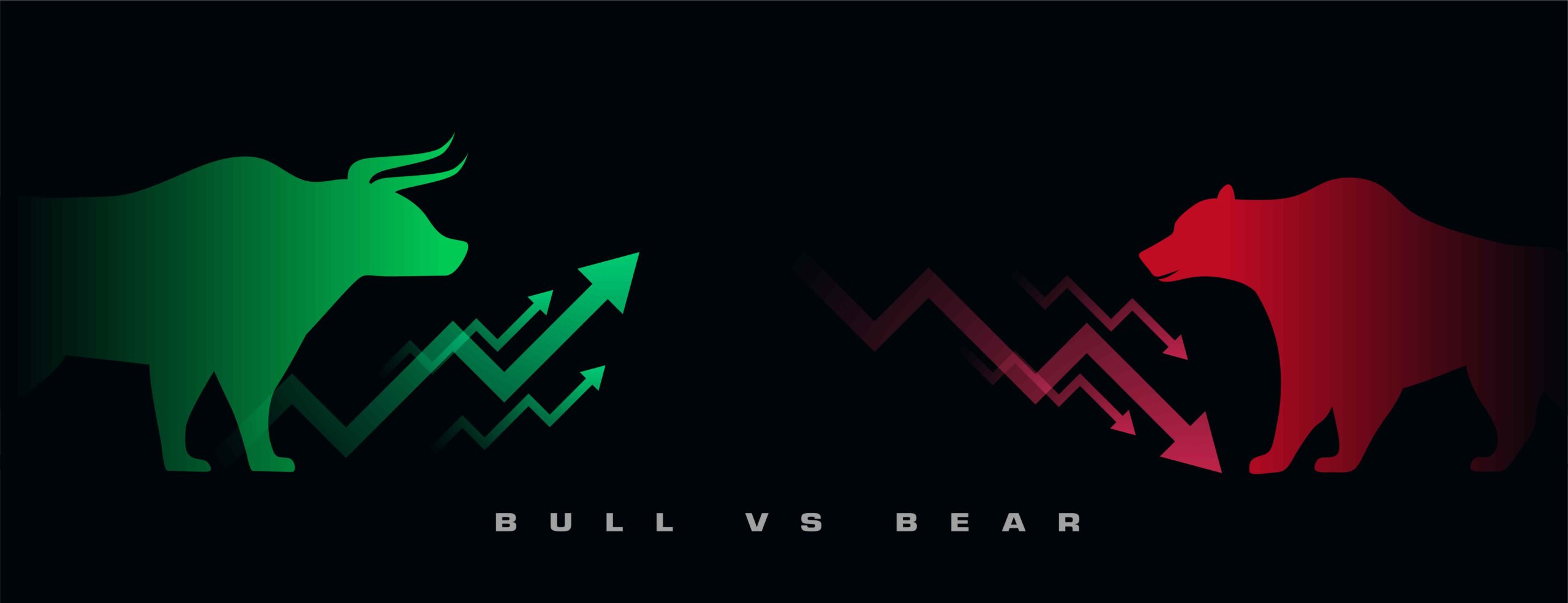
To understand this, think of a real trap. A bear (the seller) sets up a trap that looks like a feast (rising price). The bull (the buyer) gets excited and runs toward it. But as soon as the bull takes a bite (buys the asset), the trap snaps shut, and the price collapses.
This phenomenon creates a situation where “smart money” sells their positions to “retail traders” who believe the rally is real. Once the buying pressure from retail traders fades, the institutional traders push the price down, leaving new traders with losses.
How Does a Bull Trap Work?
To truly understand what is a bull trap in trading, we need to look at the mechanics behind it. It usually happens during a downtrend or at a strong resistance level.
The Setup
imagine a stock that has been falling for several weeks. The sellers are in charge. Then, the stock price starts showing a very sharp rise. It breaks above a key resistance level. On trading charts, this takes the appearance of a reversal. Traders see this breakout and think to themselves, “The downtrend is over! Time to buy!” They enter with high expectations.
Imagine a stock has been falling for weeks. Sellers are in control. Suddenly, the price starts to rise sharply. It breaks above a key resistance level. On trading charts, this looks like a reversal. Traders see this breakout and think,”The downtrend is over! Time to buy!” They enter the market with high expectations.
The Trap
Imagine a stock that has been falling for several weeks. The sellers are in charge. Then, the stock price starts showing a very sharp rise. It breaks above a key resistance level. On trading charts, this takes the appearance of a reversal. Traders see this breakout and think to themselves, “The downtrend is over! Time to buy!” They enter with high expectations.
The initial spike in price creates “FOMO” (Fear Of Missing Out). More retail traders jump in, pushing the volume up. However, behind the scenes, large institutional players (whales) are not buying; they are selling. They use this high liquidity to exit their massive short positions.

The Crash
Once the big players have sold enough shares or tokens, the buying pressure disappears. The price fails to make a higher high and starts to slip back below the resistance level. The buyers who entered late now realize they are trapped. Panic sets in, and they rush to sell to minimize their losses, causing the price to crash even lower.
How to Identify a Bull Trap
Spotting a bull trap before you buy is the most critical skill for a trader. Here are the top five technical indicators and methods to help you identify a false breakout.
1. Lack of Volume
Volume is the fuel for market movements. A true breakout above a resistance level must be accompanied by high trading volume.
True Breakout: Price goes up + Volume goes up.
Bull Trap: Price rises + Volume declines (or does not change).
If the price is breaking a major level but nobody is trading, then this movement is weak and most likely a trap.
Volume is the fuel for market movements. A genuine breakout above a resistance level must be accompanied by high trading volume.
True Breakout: Price goes up + Volume goes up.
Bull Trap: Price goes up + Volume goes down (or stays flat). If the price is breaking a major level but nobody is t . the movement is weak and likely a trap.
2. RSI Divergence
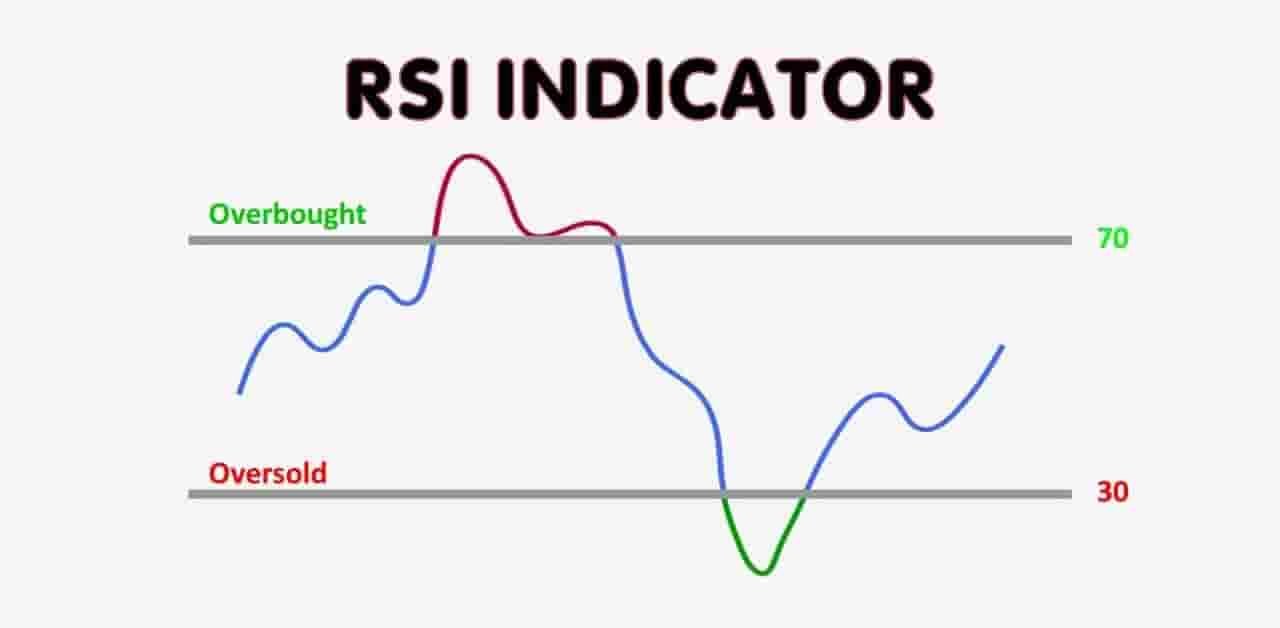
The RSI is a momentum indicator. Look for a divergence between the price and the RSI.
If the price makes a higher high (new peak) but RSI makes a lower high, then the price is losing momentum. This is the classic warning of a bull trap.
The Relative Strength Index (RSI) is a momentum indicator. Look for a divergence between the price and the RSI
If the price makes a higher high (creating a new peak) but the RSI makes a lower high, the price is losing momentum. This is a classic warning sign of a bull trap.
3. Rejection at Resistance (Wick Test)
Sometimes the price spikes above a resistance level but closes the candle below it. That gives way to a candle with a long upper wick/shadow.
This looks like a breakout upon initial glance, but the close below the level tells you that the sellers have stepped in and rejected the higher price. This is often a strong sign of a trap.
Sometimes the price will spike above a resistance level but close the candle below it. This results in a candle with a long upper wick (shadow).

This spike looks like a breakout on first glance, but the close below the level tells you that sellers have stepped in . rejected the higher price. This is often a strong sign of a trap.
4. Lower Timeframes Analysis
Even as a swing trader, check price action down to lower time frames, such as the 15-minute or 1-hour chart.
A weak breakout on a lower timeframe or many long wicks trying to push up but getting pushed down-that implies the selling pressure is heavy.
Check the price action on lower timeframes, such as the 15-minute or 1-hour chart, even if you are a swing trader.
If the breakout looks weak on a lower timeframe or if you see many long wicks trying to push up but getting pushed down, . rndicates selling pressure is heavy.
5. Market Sentiment News
Sometimes, bull traps are fueled by fake news or rumors. If a price is pumping without any fundamental news or updates to support it, be suspicious. Usually, a justified rally has strong fundamental reason backing it up.
Sometimes, bull traps are driven by fake news or rumors. If a price is pumping without any fundamental news or updates to support it, be suspicious. A sustainable rally usually has a strong fundamental reason behind it.
The Difference Between a Bull Trap and a ReversalMany traders get confused between a bull trap and the actual reversal of the trend. Here is how you can distinguish the two:
What follows after a Reversal, usually, is consolidation. The price breaks out and then goes sideways for a bit to form support before continuing up. It looks stable.
A Bull Trap is usually immediate and sharp: the price spikes up and crashes down without giving the new support level a chance to form. It looks erratic, forced.
Many traders confuse a bull trap with a legitimate trend reversal. Here is how you can tell the difference:
Reversal
is usually followed by consolidation. The price breaks out, then moves sideways for a bit to form support, and t . then continues up. It looks stable.
Bull Trap
is usually immediate and sharp. The price spikes up and crashes down without giving the new support level a . hance to form. It looks erratic and forced.
Psychology Behind the Bull Trap
You see prices moving up quickly, instantly two emotions take the front seat: greed and FOMO. You don’t want to miss the next.Why do traders fall for this trap? It is all about Trading Psychology.
When you see prices moving up quickly, two emotions kick in: Greed and FOMO. You don’t want to miss the next big profit. You see a green candle and think, “If I don’t buy now, I’ll miss the chance.” This impulsive behavior bypasses logic and risk management.
Understanding what is a bull trap in trading requires understanding your own mind. Professional traders wait for confirmation. They don’t chase price spikes. Amateurs jump in immediately because they are afraid of losing out.
Real-Life Example:
The “Dead Cat Bounce“
The “Dead Cat Bounce” A very common occurrence of bull traps is after a “Dead Cat Bounce.” That is a temporary recovery in the price of a falling asset. For example, a cryptocurrency falls from $100 to $10; then it goes up to $15 overnight. People are convinced that it is rebounding and therefore jump into buying.
A common scenario where bull traps occur is during a “Dead Cat Bounce.” This is a short recovery in the price of a declining asset. For example, imagine a cryptocurrency has dropped from $100 to $10. Suddenly, it jumps to $15. Everyone thinks it is recovering and buys in. However, there was no real change in the project; the market was just correcting slightly. The price then crashes from $15 to $5. The jump to $15 was a bull trap.
Strategies to Avoid Bull Traps
But there was no real change in the project; the market was just slightly correcting. The price then crashes from $15 to $5. The jump to $15 was a bull trap. Strategies for Avoiding Bull Traps Now that we know what a bull trap is, let’s talk about the protection of your capital.
Now that we know what is a bull trap, let’s discuss how to protect your capital.
1. Wait for Confirmation
stay for confirmation Never buy on the first break. Wait for the close over resistance. Better yet, wait for two closes over resistance. That gives the market a chance to prove that it really wants to go higher.
Never buy the first break. Wait for the candle to close above the resistance level. Even better, wait for two candles to close. This allows the market to prove that it really wants to go higher.
2. Use Stop-Loss Orders
Use Stop-Loss Orders Always set a stop-loss just below the breakout level. If it is a true breakout, then your stop loss should be safe. If it’s a bull trap, your stop-loss will get triggered immediately, and you’ll be saved from a major crash. Risk management is key.
If it is a true breakout, your stop-loss should be safe.
If it is a bull trap, your stop-loss will trigger immediately, saving you from a big crash. Risk management is key.
Watch the “Retest”
Watch the “Retest” Often, following an actual breakout in the price, it comes back to test the level it just broke. It touches, bounces, and goes up again. In this case, waiting for this “retest” to enter will totally avoid the bull trap because in a trap scenario the price never bounces back up; it continues falling
Often, after a real breakout, the price will come back down to test the level it just broke. It touches it, bounces off, and goes up again.
If you wait for this “retest” to enter the trade, you will avoid the bull trap entirely because the price never bounces back . up in a trap scenario; it just keeps falling.
4. Diversify Analysis
Diversify Analysis Don’t depend on just one indicator. Combine volume, RSI, and moving averages. If your indicators give mixed signals, stay out of the trade. Conclusion Understanding what is a bull trap in trading is one of the survival skills necessary in the financial markets.
Combine volume, RSI, and moving averages. If your indicators give mixed signals, stay out of the trade.
Conclusion
this is designed to take money from the impatient and give it to the disciplined. A bull trap preys on FOMO. Looking for confirmation signals, analyzing trading volume, and managing your emotions are the ways to avoid such costly mistakes. Save your money from a bad trade; it is just as profitable as making money on a good trade. Now, discipline yourself, wait for confirmation, and let the market not play tricks on you into making lousy choices. Happy Trading!
FAQ,s
What is a bull trap in trading?
A bull trap occurs when traders are led to believe a stock or market is about to rise, but it quickly reverses downward.
What is the 90% rule in trading?
The 90% rule suggests that 90% of traders often lose money, emphasizing the importance of discipline and proper risk management.
Is a bull trap a false breakout?
Yes, a bull trap is a type of false breakout where price temporarily moves above resistance but then reverses downward.
How to recognize a bull trap?
Look for quick reversals after a breakout with weak volume and failure to sustain higher prices
Disclaimer:This content is for educational purposes only and does not constitute financial advice. Trading involves risk, so always research and consult a professional before making any investment decisions.
